
Arbor Place Mall Raid: Verified Facts and Pending Enforcement Questions
The April 1, 2026 Arbor Place Mall counterfeit goods raid is a confirmed event with 16 storefronts searched, but charges and the value of seized goods remain pending. This entry catalogs the verified facts and maps the federal, state, and civil trademark enforcement exposure for tenants, brand owners, and the mall operator.
- Jurisdiction
- US (Georgia)
- Court
- Not yet docketed
- AI tool named
- No AI tool implicated
- Ruling date
- Apr 1, 2026
- Source document
- View primary court order ↗
- Last verified
- Aug 2, 2026
Lex Machina Review is an independent risk-tracking and reference resource. Nothing on this site is legal advice, and using it does not create an attorney-client relationship. Every record is reviewed against primary sources but may not reflect the most current status of a matter — always verify directly against the cited court order, rule text, or a licensed attorney before relying on it.
Companion explanation — secondary to the source document above
Record status: confirmed raid, unresolved charging posture
Risk Digest classification: confirmed enforcement event; charges pending; last verified Aug. 2, 2026. This Arbor Place Mall record is included as a trademark-enforcement matter, not as an AI-citation sanction record. It is legal-background reporting, not legal advice.
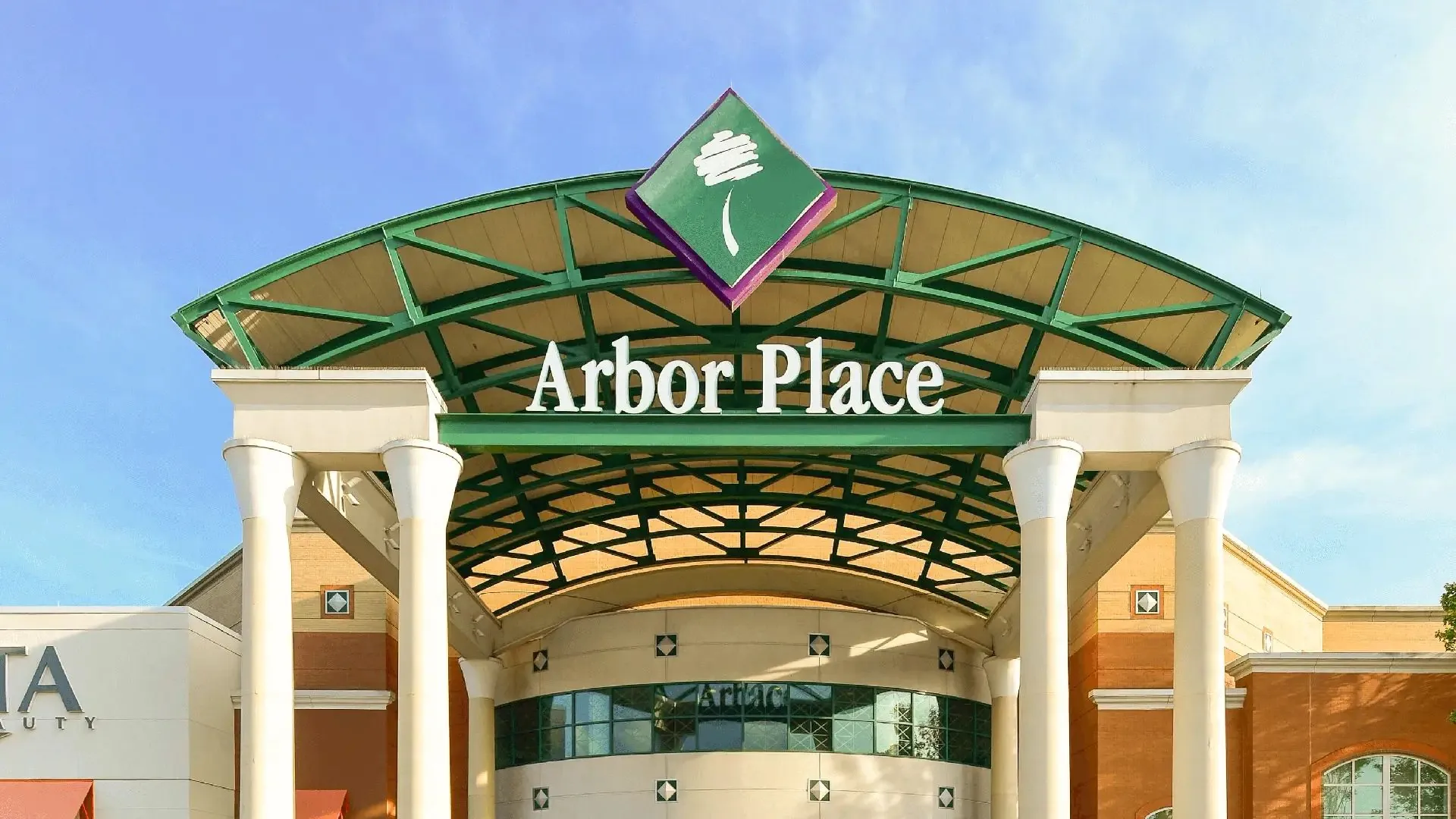
The load-bearing fact is the Douglasville Police Department’s April 1, 2026 statement: officers executed search warrants at Arbor Place Mall in Douglasville, Georgia, after a months-long investigation involving undercover evidential buys, and the statement identified 16 storefronts or kiosks as locations where alleged counterfeit goods were being sold. The agency also identified the Douglasville Police Department and the Douglas County Sheriff’s Office as participating agencies and gave the case reference DG-011.[1]
The same 16-location figure was reported by Atlanta News First, which described 16 stores and kiosks found selling counterfeit products at Arbor Place Mall.[2] FOX5 Atlanta also reported a 16-store raid, although some secondary framing around the story used a looser “nearly 20” description. This record uses the agency-confirmed 16-location count because the police statement is the primary source and the 16 count is corroborated by named media.[1][2][3]
| Item | Current status |
|---|---|
| Event | Search warrants executed at Arbor Place Mall on April 1, 2026.[1] |
| Locations | 16 storefronts or kiosks, using the primary agency count.[1] |
| Goods categories | Police and media reports described alleged counterfeit jewelry, clothing, sunglasses, and cell phone accessories.[1][2][3] |
| Charges | No public charging announcement located by the Aug. 2, 2026 verification date; April reports indicated charging decisions would come later.[2][3] |
| Seized-goods value | Not released. Maj. Brad Stafford was quoted as saying the department was still working to determine the value.[2][3] |
| Record type | Trademark-enforcement risk record; not an AI-citation or litigation-sanctions record. |
That status matters because the raid is no longer merely a local police item, but it also has not ripened into a docketed criminal case in the public materials reviewed for this entry. The practical question is not whether a raid occurred. It did. The open question is what legal posture follows from the searches: criminal charges, civil trademark filings, forfeiture or evidence handling, private brand claims, landlord notice disputes, or some combination of those tracks.
This record is handled the way pending enforcement records are handled elsewhere in Risk Digest: confirmed source facts first, unresolved legal posture second. The closest structural comparison is the Linda Blair kennel-investigation warrant record, where the execution of a warrant and later court consequences are treated as different verification problems.
What the warrants appear to have been aimed at
The reported undercover buys explain why the incident belongs in trademark enforcement rather than ordinary retail-code enforcement. The Douglasville Police Department described a months-long investigation and undercover evidential purchases before the warrants were executed.[1] Atlanta News First and FOX5 reported alleged counterfeit products being sold from mall stores or kiosks, including product categories such as jewelry, clothing, sunglasses, and cell phone accessories.[2][3]
Those facts do not, by themselves, identify defendants. They also do not establish that every person associated with a searched kiosk had the same knowledge, inventory control, import role, or mark-specific exposure. At this point, “16 locations searched” is stronger than “16 defendants,” and “alleged counterfeit goods seized” is stronger than “proved infringement.” The difference is not cosmetic. It decides who must preserve records, who needs criminal counsel, who receives a civil demand letter, and who may only be a witness or landlord-side records source.
Direct exposure: storefront and kiosk sellers
The most direct exposure sits with the sellers or operators of the searched storefronts and kiosks. Federal criminal counterfeit-trafficking law, 18 U.S.C. § 2320, covers intentional trafficking in goods or services and knowing use of a counterfeit mark on or in connection with those goods or services, subject to the statutory elements and charging proof.[4]
For counsel looking at a tenant, employee, or kiosk operator, the immediate file is likely to be more factual than doctrinal: lease records, point-of-sale records, supplier invoices, shipping and import documents, brand labels, text messages with vendors, prior warnings from mall management or brand investigators, and any communications with police during the warrant execution. The undercover-buy detail matters because it suggests investigators did not arrive solely on a generalized complaint; they obtained at least some purchase evidence before the searches.[1]
Georgia also has a state counterfeit-trademark statute, O.C.G.A. § 10-1-454.[5] This entry does not restate specific Georgia penalty ranges because the exact penalty language should be checked against an official Georgia Code source before being repeated in a charging memo or client alert. At the present verification level, the safer statement is narrower: state-law exposure may exist, but the precise offense grading and penalty range should be verified from the official code text and any charging document if charges are filed.
For comparison, Risk Digest’s Paradigm Peptides enforcement record uses tables only after the charge and penalty posture can be tied to filed federal materials. Arbor Place is not there yet.

Brand-owner tools: civil seizure, injunctions, and damages
Brand owners sit in a different position. They may be waiting for police inventory, but they do not necessarily have to wait for a criminal case before evaluating civil trademark enforcement. The Lanham Act authorizes injunctive relief and, in certain counterfeiting cases, ex parte seizure procedures under 15 U.S.C. § 1116.[6]
That does not mean every brand named or implied in the seized inventory has the same civil case. The first split is evidentiary: which marks appeared, whether the goods were actually counterfeit as to that mark, how many units were tied to each seller, and whether a seller had notice or repeat conduct. The second split is practical: whether the seller has assets, whether inventory can still be traced, whether there are upstream suppliers worth pursuing, and whether a mall operator has records that matter.
Large civil awards in counterfeit cases show the possible scale of trademark exposure, but they should not be imported into Arbor Place as a forecast. The Fashion Law reported a $584M damages award for Louis Vuitton in a counterfeit-goods case involving an Atlanta-area flea-market setting.[7] That is useful as a pattern reference for brand-owner enforcement, not as evidence that the Arbor Place raid will produce comparable damages, defendants, or findings.
Risk Digest’s Buc-ee’s trademark-lawsuits record is a useful reminder that trademark enforcement is often procedural before it is dramatic: notices, pleadings, mark comparisons, settlement pressure, and repeat-use evidence usually matter more than the headline description of the goods.
Mall-operator exposure is conditional, but the raid creates a notice problem
The Arbor Place operator question should be kept separate from the seller question. A raid at leased stores or kiosks does not automatically establish landlord liability. It does, however, create a record that brand counsel and tenant counsel will use when asking what mall management knew, when it knew it, and what it did after notice.
The relevant Eleventh Circuit comparison is Luxottica Group, S.p.A. v. Airport Mini Mall, LLC, 932 F.3d 1303 (11th Cir. 2019). Because the opinion itself was not crawled for this entry, the holding description is attributed to an ArentFox Schiff alert, which summarized the case as allowing landlord contributory-liability exposure where trademark infringement and sufficient landlord knowledge or continued leasing support the claim.[8]
That standard is not a shortcut to liability at Arbor Place. The present public record does not establish that the mall operator had prior notice of specific tenants, specific marks, or specific repeat sales before the April 1 searches. It also does not disclose what the operator did after the warrants were executed. Those are the facts that would move the operator analysis from abstract risk to pleaded claim.
For a mall owner or property manager, the risk after a raid is mostly a monitoring and documentation problem: preserve leases and kiosk agreements; preserve complaints, brand notices, security reports, and tenant communications; identify who controlled common-area kiosks; and record any post-raid remedial steps. For brand counsel, the same facts help decide whether a letter should go only to the tenant, to a supplier, to the property manager, or to all of them.
Property-control issue: parallel risk, not a resolved fact
There is a separate property-control issue in the background. Bisnow reported in February 2026 that CBL was in talks to hand over Arbor Place Mall near Atlanta to its lender and reported a May 1, 2026 loan-maturity issue based on an SEC filing.[9] CBL’s own portfolio page identifies Arbor Place as a CBL property.[10]
This record does not treat a lender transfer, foreclosure, or post-maturity control change as completed. No verified outcome was located by the Aug. 2, 2026 record date. The point is narrower: if brand notices, preservation letters, indemnity demands, lease defaults, or insurance notices are being sent after the raid, counsel should confirm who controlled the property at the relevant time and who is authorized to receive notices now.
Source discipline for the pending file
The current record has three tiers. Agency-confirmed facts: Arbor Place Mall, April 1 search warrants, 16 storefronts or kiosks, Douglasville Police Department and Douglas County Sheriff’s Office involvement, and case reference DG-011.[1] Corroborated media facts: the same 16-location account, the goods categories, and the statement that value determination was still in progress.[2][3] Pending facts: charges, named defendants, exact seized-goods value, brand-by-brand inventory, civil filings, operator notice facts, and any completed property-control change.
That separation is also why this entry does not convert reported raid facts into a prosecution prediction. A search warrant can produce charges; it can also produce no public charges, delayed charges, civil follow-on activity, administrative cleanup, or brand-side demands that never become a public docket. Until a charging document, civil complaint, forfeiture filing, or agency update appears, the legal posture remains open.
For readers tracking status conventions across Risk Digest, the same source-separation habit appears in the Sant Rampal bail-status record, the Shiloh Hendrix appeal-status record, and the Sha’Carri Richardson no-contest speeding record. The useful habit is not the topic match; it is the refusal to let a confirmed event answer questions the source record has not yet answered.
Items to re-check
- Whether Douglasville Police, Douglas County prosecutors, federal authorities, or another agency announce charges tied to case reference DG-011.
- Whether police release the value of seized goods or a brand-by-brand inventory.
- Whether named storefront or kiosk operators appear in criminal dockets, civil trademark complaints, forfeiture filings, or plea materials.
- Whether any brand owner sends preservation demands or files Lanham Act claims arising from the Arbor Place searches.
- Whether mall-management response facts become public, including prior notices, post-raid tenant action, lease defaults, or cooperation with brand investigations.
- Whether the reported loan-maturity or lender-transfer issue changes who controls Arbor Place Mall records and who receives legal notices.
References
- SEARCH WARRANTS EXECUTED — Arbor Place Mall, Douglasville Police Department, Apr. 1, 2026.
- 16 stores, kiosks found selling counterfeit products in Arbor Place Mall, police say, Atlanta News First, Apr. 2, 2026.
- Arbor Place Mall raid: 16 stores caught selling fake goods, FOX5 Atlanta.
- 18 U.S. Code § 2320 - Trafficking in counterfeit goods or services, Cornell Legal Information Institute.
- Georgia Code § 10-1-454 (2024) - Counterfeiting; False Representation as to Genuine; Presumptions, Justia.
- 15 U.S. Code § 1116 - Injunctive relief, Cornell Legal Information Institute.
- Louis Vuitton Nabs $584M Damages Award in Counterfeits Case, The Fashion Law.
- Court Rules Trademark Infringement Enough to Hold Landlord Liable, ArentFox Schiff.
- CBL In Talks To Hand Over Arbor Place Mall Near Atlanta To Lender, Bisnow, Feb. 2026.
- Arbor Place, CBL Properties.
Related records
Tool profile
How Meta's AI Spending Reshapes Law Firm ProfitabilityGoverning regulation
Browse the obligations tracker →Preventive workflow
Browse verification workflows →
Report a correction or tip
Spotted an outdated figure, a misstated fact, or a ruling this case record should reflect? Public comments are disabled for this content given the professional cost of a misreported case outcome, penalty amount, or rule text — use the structured correction channel instead.
Report a correction or tip for this record →