
Where Buc-ee's Trademark Policing Crosses Into Overreach
The Buc-ee's mascot-enforcement wave behind the John Oliver dare — the 'cartoon rodents' demand letter, Mickey's countersuit, and the Beavercreek backlash — shows where trademark policing crosses into overreach. This source-linked analysis maps the enforcement record and lays out what in-house counsel and small-business attorneys should verify, and what blowback to price, before sending a demand letter or filing suit.
- Jurisdiction
- US federal
- Court
- Multiple U.S. District Courts
- AI tool named
- No AI tool implicated
- Source document
- View primary court order ↗
- Last verified
- Aug 5, 2026
Lex Machina Review is an independent risk-tracking and reference resource. Nothing on this site is legal advice, and using it does not create an attorney-client relationship. Every record is reviewed against primary sources but may not reflect the most current status of a matter — always verify directly against the cited court order, rule text, or a licensed attorney before relying on it.
Companion explanation — secondary to the source document above
John Oliver’s dare to Buc-ee’s made the mascot fights easy to laugh at. It also made them harder to manage. Once a trademark enforcement program becomes late-night material, the legal question is no longer confined to whether a cartoon animal on a sign could confuse consumers. The demand letter, the complaint, the target’s answer, the local fundraiser, and the television clip all become part of the risk file.
This article is legal-background analysis, not legal advice. It uses the source-linked public record available as of Aug. 5, 2026. Several facts are date-sensitive and should be verified before publication or client use, including the reported Aug. 7, 2026 Beavercreek cash mob, the Sept. 8, 2026 Buc-Off merchandise cutoff mentioned in related coverage, and the Sept. 9, 2026 Mickey’s settlement conference. Reported case counts also conflict: Cleveland.com described Buc-ee’s as having filed “more than a dozen” recent mascot-related suits, while the ABA Journal, summarizing Law360, described “nearly a dozen” suits over the beaver logo. Those figures should be attributed, not averaged into a new number. [1][2]
The better question behind the “buc-ees john oliver mascot trademark lawsuit” search is not whether Buc-ee’s may police its beaver logo. It plainly has reasons to police. The harder question is where a legitimate policing program begins to sound, to outsiders and sometimes to courts, like ownership of the whole visual language of cheerful animal mascots.
The enforcement record explains why Buc-ee’s keeps pressing
Trademark owners do not get to build a famous brand and then ignore every nearby imitation without consequence. Weak policing can narrow practical rights over time, especially when similar marks begin to accumulate in related markets. That does not mean every enforcement letter should be written as if the next stop is a preliminary injunction hearing. It means counsel has to preserve the mark without making the company look as though it is claiming more than trademark law gives.
Buc-ee’s earlier record would encourage a brand team to believe that hard lines work. The cited public record is strongest beginning with Frio Beaver and Choke Canyon; an earlier Chicks settlement belongs in the enforcement chronology, but should be separately sourced before being used as a citation-dependent fact in a litigation memo.
| Matter | What the linked record supports | Why it matters to enforcement policy |
|---|---|---|
| Frio Beaver | In 2014, CSP Daily News reported that the dispute was dismissed after the defendant surrendered the logo; the article quoted, “The Frio Beaver is no more.” [3] | A quiet surrender teaches a brand owner that an early, firm demand may remove the accused use without extended public cost. |
| Choke Canyon | In 2018, a jury found for Buc-ee’s on every count, and the resulting permanent injunction barred the challenged logo “or any colorable imitation.” [4] | A jury win and injunction become institutional memory. They make later enforcement feel less speculative inside the company. |
| Chicks | A 2013 settlement has been reported, but the source link was not included in the cited public record. | Counsel can consider it as part of the reported enforcement pattern only after verifying the docket or settlement record. |
Those early results matter because enforcement cultures are built from what previously worked. If a demand led to surrender, and a trial led to a broad injunction, the next accused mascot is not evaluated on a blank page. It arrives in a file that already says: we have won this kind of fight before.
The 2025–2026 wave changed the cost profile
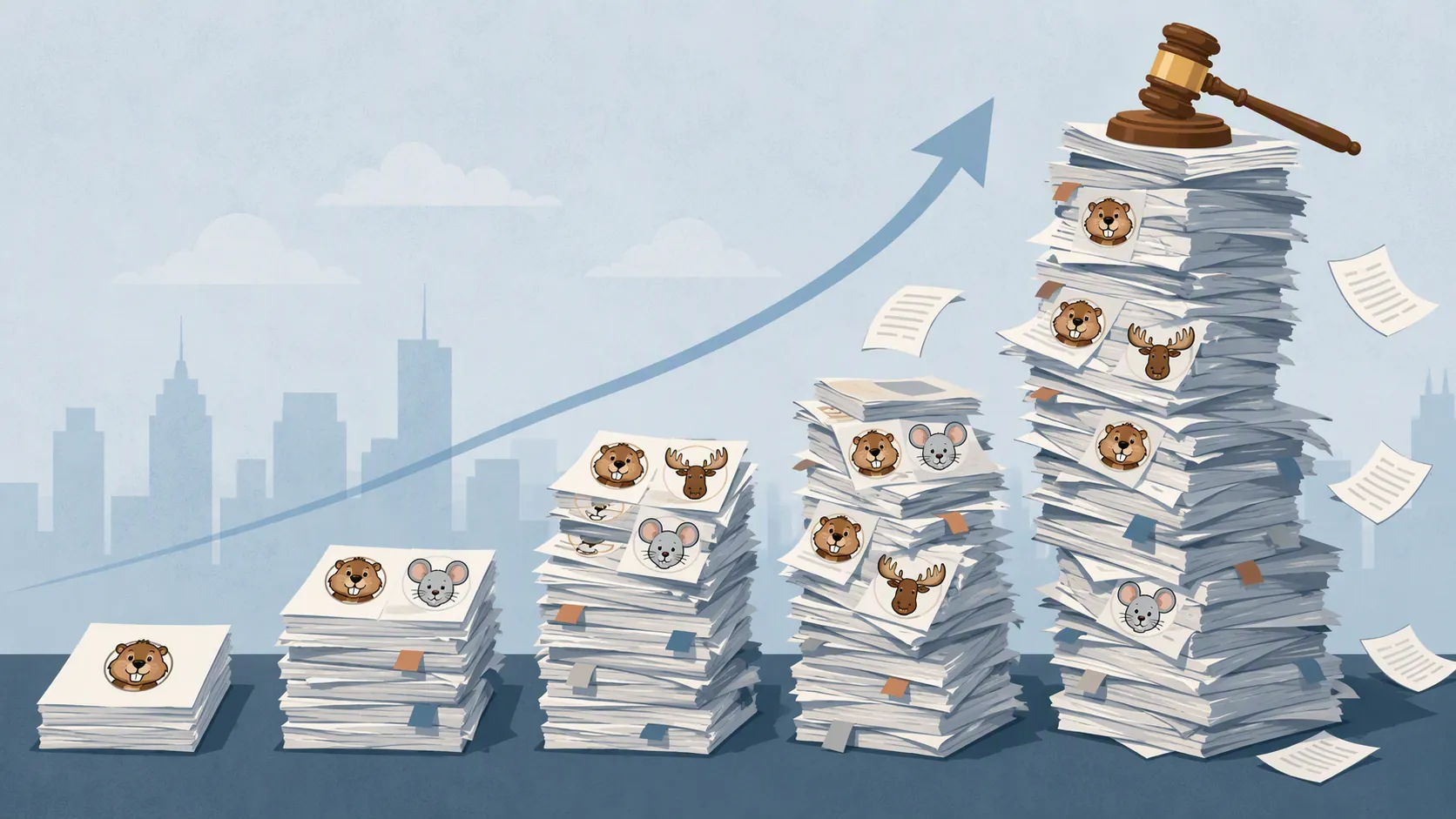
The newer disputes did not merely add more names to a docket list. They changed who was watching. Barc-ee’s, Tac-Bucc, Crab Rangoons, Nut Huggers, Mickey’s, and Beaver’s Mini Mart created a record that could be described by critics as a large convenience-store chain pursuing small businesses, restaurants, and local operators over animal or mascot imagery. Whether that description is fair in any one case depends on the actual marks, goods, channels, and evidence. But once that framing takes hold, it becomes part of the legal risk.
Nut Huggers is the point where the language of enforcement appears to have become its own exhibit. In November 2025 coverage, owner Jarrad Hewett said Buc-ee’s “suggested that they owned all cartoon rodents.” The same report quoted Buc-ee’s general counsel Jeff Nadalo saying, “Buc-ee’s will not stand idly by while others infringe upon the intellectual property rights that we have diligently developed.” [5]
Both statements can be true to their speakers’ experience. A brand lawyer sees a need to stop uses believed to trade on a valuable mark. A small operator reads a demand letter and hears something broader: you cannot use this category of friendly animal at all. That gap is not a public-relations footnote. It is where declaratory-judgment risk, malicious-filing rhetoric, press interest, and settlement leverage begin to move.
Mickey’s made that risk more concrete. Cleveland.com reported that Buc-ee’s sued Mickey’s in February 2026 in the Northern District of Ohio, and that Mickey’s counterclaimed, accusing Buc-ee’s of malicious filing. The same report identified a Sept. 9, 2026 settlement conference, a future date as of this article’s Aug. 5, 2026 writing and therefore a fact requiring current docket verification before publication. [1]
A countersuit changes the economics of policing. The target is no longer only deciding whether rebranding is cheaper than fighting. It is trying to turn the enforcement decision into the brand owner’s problem. Even if the counterclaim ultimately fails, it can widen discovery, harden settlement positions, give reporters a cleaner conflict narrative, and make the initial demand letter more important than the complaint.
Beaver’s Mini Mart then added the local-identity problem. Law Commentary reported that Buc-ee’s filed suit against the Ohio mini mart on July 28, 2026 in the Southern District of Ohio over an allegedly similar beaver logo. The same available materials leave two items that should be verified against the complaint PDF and PACER before relying on them in a formal memo: the full docket number and the business’s operating history, which is reported differently across sources. [6]
The location facts are also worth treating carefully. The Hill reported that Beaver’s Mini Mart is about 16 miles from Buc-ee’s new Ohio store, and the University of Cincinnati Law Review blog described the Mickey’s suit as filed roughly two months before the Huber Heights opening. [7][8] That timing and proximity do not prove motive. They do, however, matter to risk review because a market-entry enforcement campaign can look different to local businesses than a national brand-protection program looks inside headquarters.
By early August 2026, the Beavercreek response had become part of the story. The Cincinnati Enquirer reported that more than 20 local businesses had added beavers to their logos, that a GoFundMe had been created, and that supporters were organizing an Aug. 7, 2026 cash mob. Cleveland.com also described the community response in its coverage of the Ohio mascot disputes. [9][1]
That is not just bad optics. It can affect settlement posture, customer goodwill, employee morale, jury-pool atmosphere, and the reputational value of the very mark being protected. When enforcement turns a target into a local symbol, the plaintiff may still have a colorable legal claim. It also has a bigger problem than the accused logo.
Likelihood of confusion is necessary, but it is not the whole memo
No competent trademark analysis skips likelihood of confusion. Counsel still has to compare the marks, goods and services, channels of trade, purchaser care, evidence of actual confusion, intent, and the strength of the asserted mark. For readers who need the statutory vocabulary before getting into enforcement strategy, the site’s trade-name and trademark explainer is the better first stop.
But a one-column confusion memo is too thin for a mascot case in this environment. Before a demand letter goes out, the review should identify the exact accused use. Is the animal the mark, part of a larger trade dress, a one-off illustration, merchandise, storefront signage, social-media content, or parody? Is the defendant selling gasoline, food, convenience-store goods, apparel, entertainment, or something more remote? Is the use in a market where the brand owner is entering, already operating, or merely known?
- Capture the accused use as it actually appears, not as a cropped image in a demand-letter draft.
- Map the goods, services, and trade channels before treating mascot similarity as dispositive.
- Separate market-entry facts from legal conclusions; proximity and timing are risk signals, not proof by themselves.
- Read the proposed letter from the recipient’s side and remove language that sounds like ownership of a whole animal category.
- Price the chance that the recipient files first, counterclaims, posts the letter, raises money, or becomes a local cause.
The expert commentary points in both directions, which is exactly why it is useful. The ABA Journal, summarizing Law360, quoted Lisa Ramsey warning against claims that sound like “trademark rights in all cartoon animals,” while also reporting Lauren Katzenellenbogen’s point that trademark owners have a duty to police or risk weakening their rights. [2] Those are not decorative opposing quotes. They are the two pressures that should sit in the same enforcement memo.
The practical distinction is between policing a mark and drafting as if the company owns a genre. Buc-ee’s may have strong arguments against particular uses that resemble its beaver logo in relevant markets. That is different from a letter that a recipient can fairly summarize as “they say they own cartoon rodents.” Once that sentence is available, it will be repeated because it is easier to understand than a multi-factor confusion analysis.
Demand-letter wording can create the overreach case
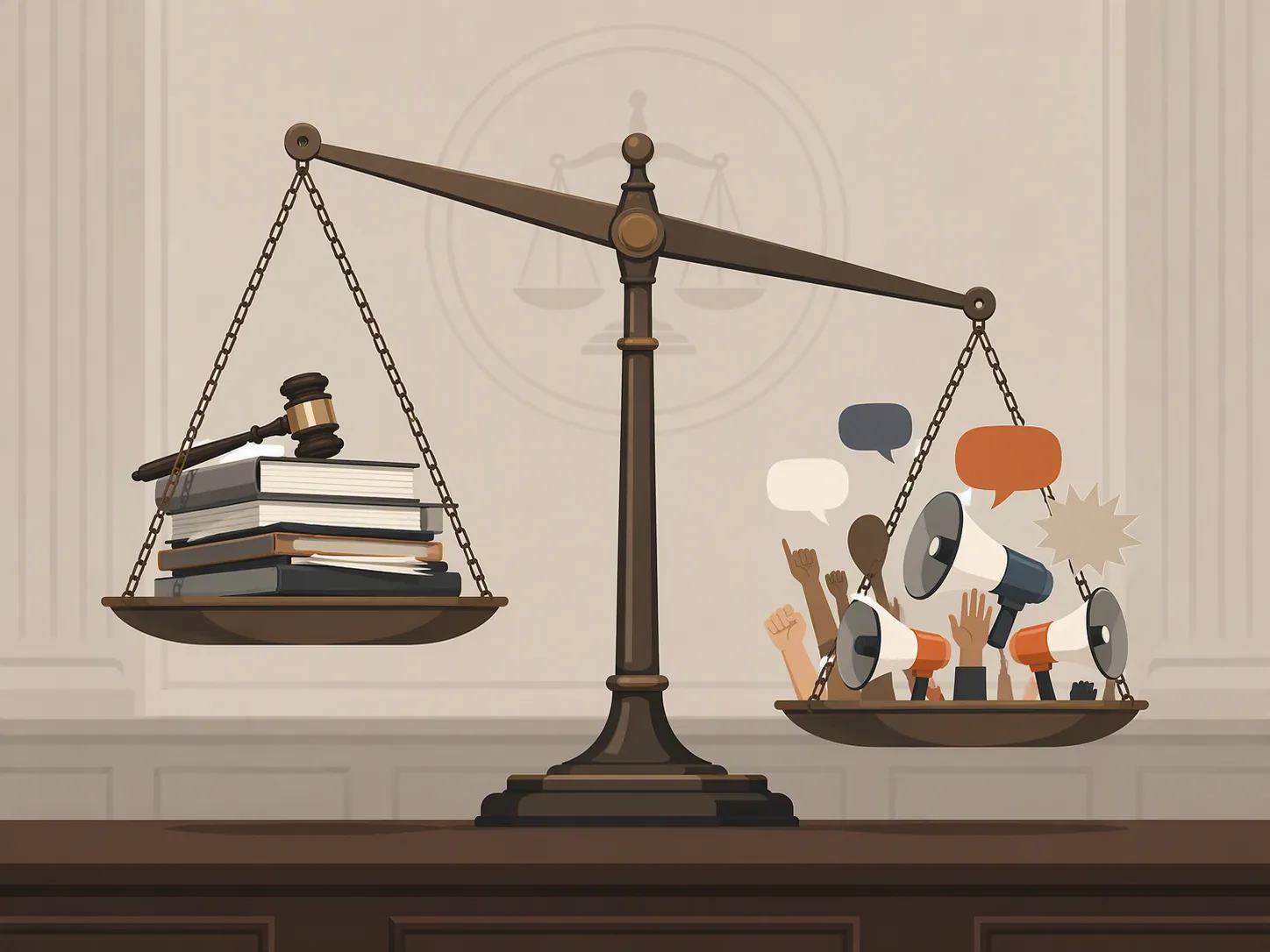
Demand letters are often written for maximum compliance. That instinct is understandable. The problem is that maximum-pressure language can become the target’s best exhibit. If the accused business is small, local, family-run, or unusually sympathetic, the letter may be read aloud to reporters, donors, customers, and judges long before anyone reaches a merits ruling.
A better letter still preserves the brand owner’s position. It identifies the registrations or asserted common-law rights, describes the specific accused use, explains the market relationship, demands concrete changes, and reserves rights. What it avoids is category-level rhetoric: all cartoon rodents, all beavers, all friendly animal faces, all yellow-circle mascot treatments. Even when that is not what counsel meant, sloppy breadth lets the recipient define the dispute.
For in-house teams, the approval path should include someone whose job is not simply to make the claim stronger. Ask what headline the target can write from the letter. Ask whether the company would be comfortable seeing the demand beside the target’s storefront photo. Ask whether the legal objective is removal of a confusing logo, a broader deterrence message to the market, or a signal to executives that the brand team is being consistent. Those are different objectives, and they carry different costs.
Parody is nearby, but it is not the center of this record
The John Oliver segment and Buc-Off merchandise naturally invite parody-law arguments, especially after Jack Daniel’s v. VIP Products. That doctrinal lane matters, but it is not the center of this enforcement-policy record. The site’s companion analysis, Buc-Off Parody Tests Trademark Law After Bad Spananiels, handles that question more directly. For broader confusion-risk context after Jack Daniel’s, the NCIS/CSI title-dispute analysis is also closer to the doctrinal problem.
The Buc-ee’s mascot wave is more useful as an enforcement-policy record. It shows how a company with real trademark interests and prior wins can still create avoidable exposure if each new target is treated as only another confusion analysis. Selective enforcement and brand-control pressure show up in other disputes too; the site’s Bon Jovi tribute-band legal-threat record is a useful comparison for the difficulty of authorizing some uses while threatening others.
Price the blowback before filing
The pricing discipline is not a public-relations veto over trademark law. It is a more complete legal-risk review. If the brand owner wins, what does it win: removal of a close competitive logo, a deterrent signal, a cleaner expansion market, or only marginal additional control over a mascot style? If the target fights, what does the company risk: declaratory relief, counterclaims, fee exposure, discovery into enforcement practices, unfavorable local coverage, or a community campaign that makes the plaintiff’s mark less admired?
Buc-ee’s has past results showing why it polices hard. Frio Beaver disappeared from the record as an accused logo; Choke Canyon produced a jury win and permanent injunction. Those outcomes are not trivial. They are the kind of results that make executives ask why the company would tolerate the next beaver, dog, squirrel, crab, or cartoon face that appears near its commercial lane.
The newer wave supplies the missing line item. Nut Huggers shows how a demand can be remembered as a claim to “all cartoon rodents.” Mickey’s shows that a target may counterclaim rather than quietly rebrand. Beaver’s Mini Mart shows how a local business community can turn a lawsuit into a civic event. John Oliver’s dare shows how quickly the dispute can leave the courthouse vocabulary behind.
That does not make Buc-ee’s legally wrong across the board, and it does not predict the outcome of any pending dispute. It does mean that mascot enforcement now has a higher visible cost. Before sending the letter or filing the complaint, counsel should price that cost with the same seriousness as confusion, because in this wave the backlash is no longer outside the legal risk. It is part of it.
References
- HBO’s John Oliver trolls Buc-ee’s amid wave of mascot-related lawsuits, including one in Ohio — Cleveland.com, August 2026
- HBO’s John Oliver dares popular chain Buc-ee’s to sue him over mascot use — ABA Journal
- Buc-ee’s Beats Frio Beaver — CSP Daily News
- Buc-ee’s, Ltd. v. Choke Canyon — Eastern District of Texas Bench Bar Conference PDF
- Buc-ee’s cracks down on Nut Huggers squirrel logo, owner says chain claimed ‘all cartoon rodents’ — San Antonio Express-News/Yahoo, November 2025
- Buc-ee’s Sues Ohio Mini Mart Over Allegedly Similar Beaver Logo — Law Commentary
- Buc-ee’s sues Ohio chain after John Oliver’s ‘Last Week Tonight’ segment — The Hill
- Fueling a Trademark Fight: Buc-ee’s and Mickey’s Gas Station Dispute — University of Cincinnati Law Review Blog, April 18, 2026
- Buc-ee’s suing small Ohio corner store in Beavercreek over its logo — Cincinnati Enquirer, August 3, 2026
Related records
Tool profile
How Meta's AI Spending Reshapes Law Firm ProfitabilityGoverning regulation
Browse the obligations tracker →Preventive workflow
Browse verification workflows →
Report a correction or tip
Spotted an outdated figure, a misstated fact, or a ruling this case record should reflect? Public comments are disabled for this content given the professional cost of a misreported case outcome, penalty amount, or rule text — use the structured correction channel instead.
Report a correction or tip for this record →