
Was David Hearn's Reflecting Pool Case Dismissed?
News coverage says the Reflecting Pool case against David Hearn is dismissed, but the docket as of August 1, 2026 shows only a without-prejudice dismissal motion filed July 31 — no court order yet. This verification record flags the accurate pending status, what the government's motion actually concedes, and why the charges remain re-fileable.
- Jurisdiction
- District of Columbia
- Court
- District of Columbia Superior Court
- Judge
- Todd E. Edelman
- AI tool named
- No AI tool implicated
- Ruling date
- Jul 20, 2026
- Source document
- View primary court order ↗
- Last verified
- Aug 1, 2026
Lex Machina Review is an independent risk-tracking and reference resource. Nothing on this site is legal advice, and using it does not create an attorney-client relationship. Every record is reviewed against primary sources but may not reflect the most current status of a matter — always verify directly against the cited court order, rule text, or a licensed attorney before relying on it.
Companion explanation — secondary to the source document above
Risk Digest Status
| Field | Verified Status |
|---|---|
| Lane | Risk Digest docket-status verification |
| Last verified | August 1, 2026, UTC |
| Court | District of Columbia Superior Court |
| Case | United States v. Hearn |
| Judge status | Judge Carmen McLean handled arraignment; Judge Todd E. Edelman handled the later motion track |
| AI tool implicated | N/A |
| AI sanctions count | Excluded |
| Current status flag | Dismissal motion filed; order pending |
| Legal advice | No. This is a docket-status verification record, not legal advice. |
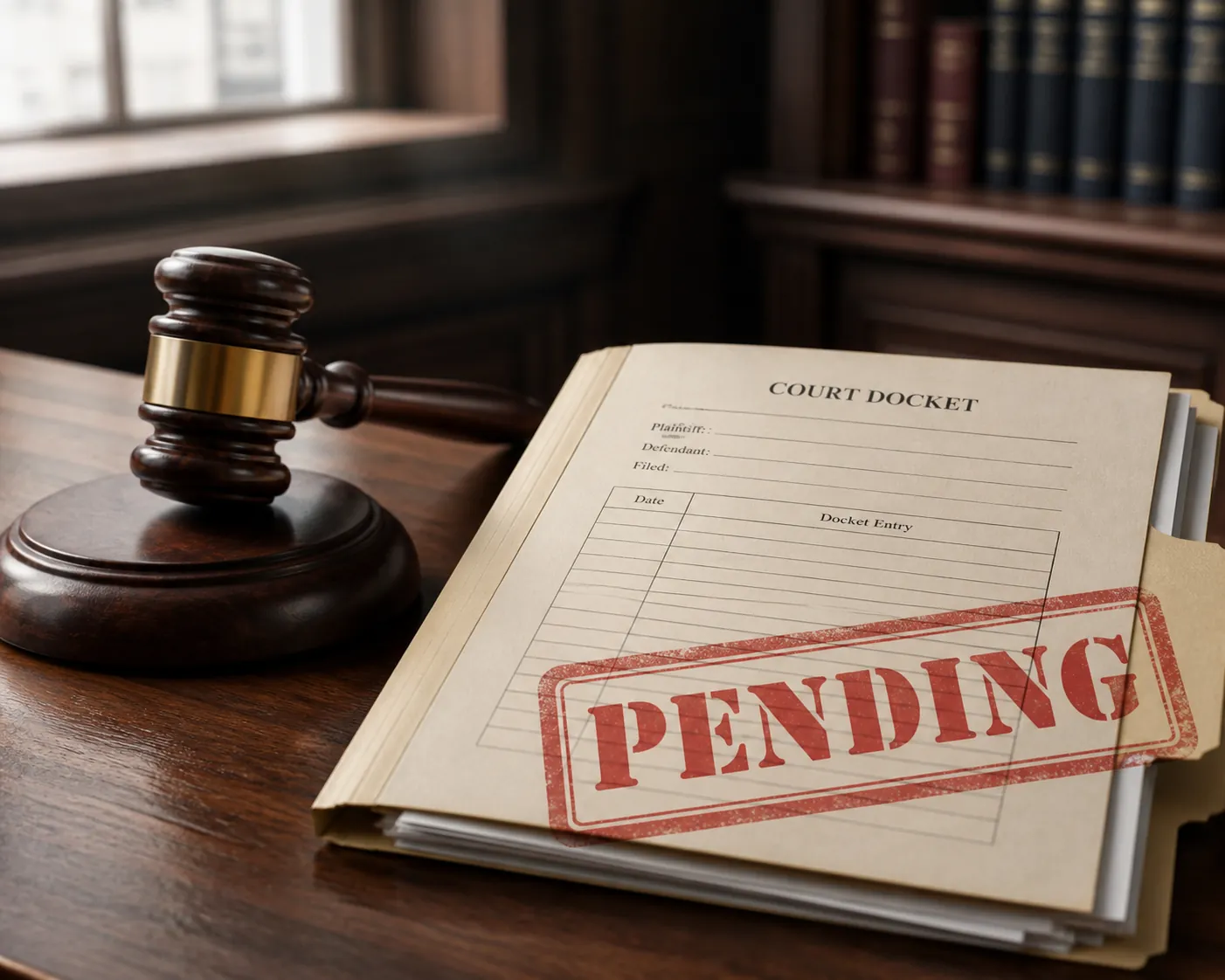
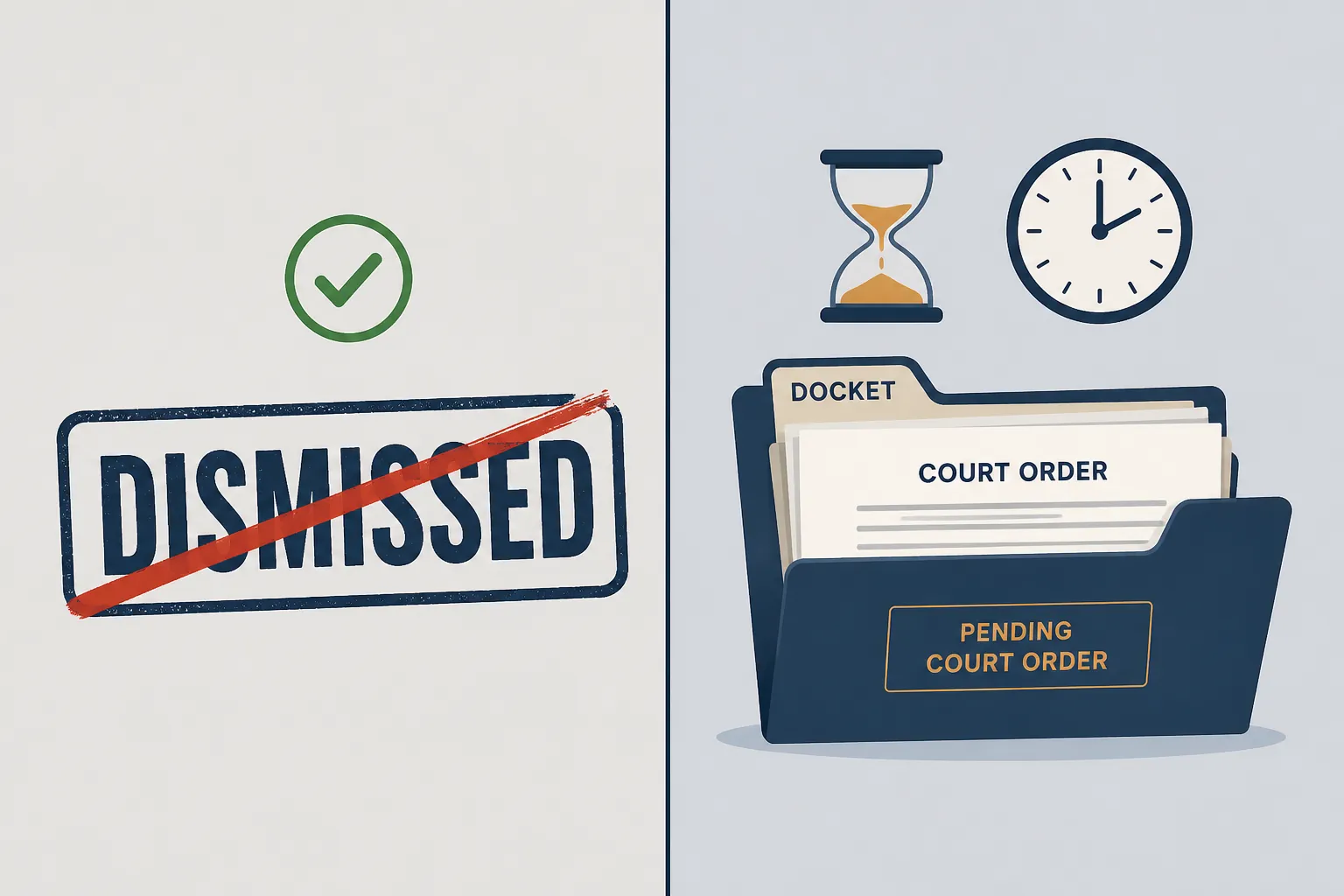
The short answer to “david hearn reflecting pool case dismissed” is: not yet, if the word “dismissed” means a court has entered an order terminating the prosecution. The U.S. Attorney’s Office for the District of Columbia filed a motion on July 31, 2026 asking to dismiss the indictment without prejudice. As of this August 1 verification timestamp, the available record supports “dismissal motion filed; order pending,” not “case dismissed by court order.”[1]
That distinction is not pedantry. It changes who acted. A prosecutor may move to dismiss. A judge, or the court through an entered order, dismisses. Until that procedural step appears, a lawyer citing the matter, a knowledge-management analyst updating a tracker, or a reporter correcting a story should not flatten the filing into a completed judicial act.
The confusion is understandable because the government’s motion reads like a retreat from the factual theory that produced the indictment. It says the Reflecting Pool damage was “the result of botched installation and not vandalism,” acknowledges that the Department of the Interior gave prosecutors “less than fulsome information,” and says the U.S. Attorney’s Office received 695 megabytes of additional DOI documents only after indictment.[1] Those are serious concessions. They still sit inside a pending motion.
What The Docket Status Actually Supports
The status problem starts with a verb. Coverage that says the case “was dismissed” may be using ordinary newsroom shorthand for a government motion that appears likely to be granted. On a criminal docket, that shorthand runs ahead of the court record. The accurate formulation is narrower: the government moved to dismiss the indictment without prejudice on July 31, 2026.[1]
The “without prejudice” part also matters. If a court grants the motion as filed, the dismissal would not be a merits ruling that permanently bars a future prosecution. It would leave the charges theoretically re-fileable, subject to ordinary legal and practical constraints. Anyone writing that the case is simply “over” should make that caveat visible rather than burying it after the headline.
This record is included in Risk Digest as an exceptional non-AI docket-status item. No generative AI tool is implicated; the AI tool field is N/A. It should not be counted with AI hallucination, sanctions, or defective-citation incidents. The closer site precedent is the same verification habit used in the Shiloh Hendrix appeal status record: record the docket state before the public label hardens into a searchable fact.
The Procedural Sequence, With The Actors Kept Separate
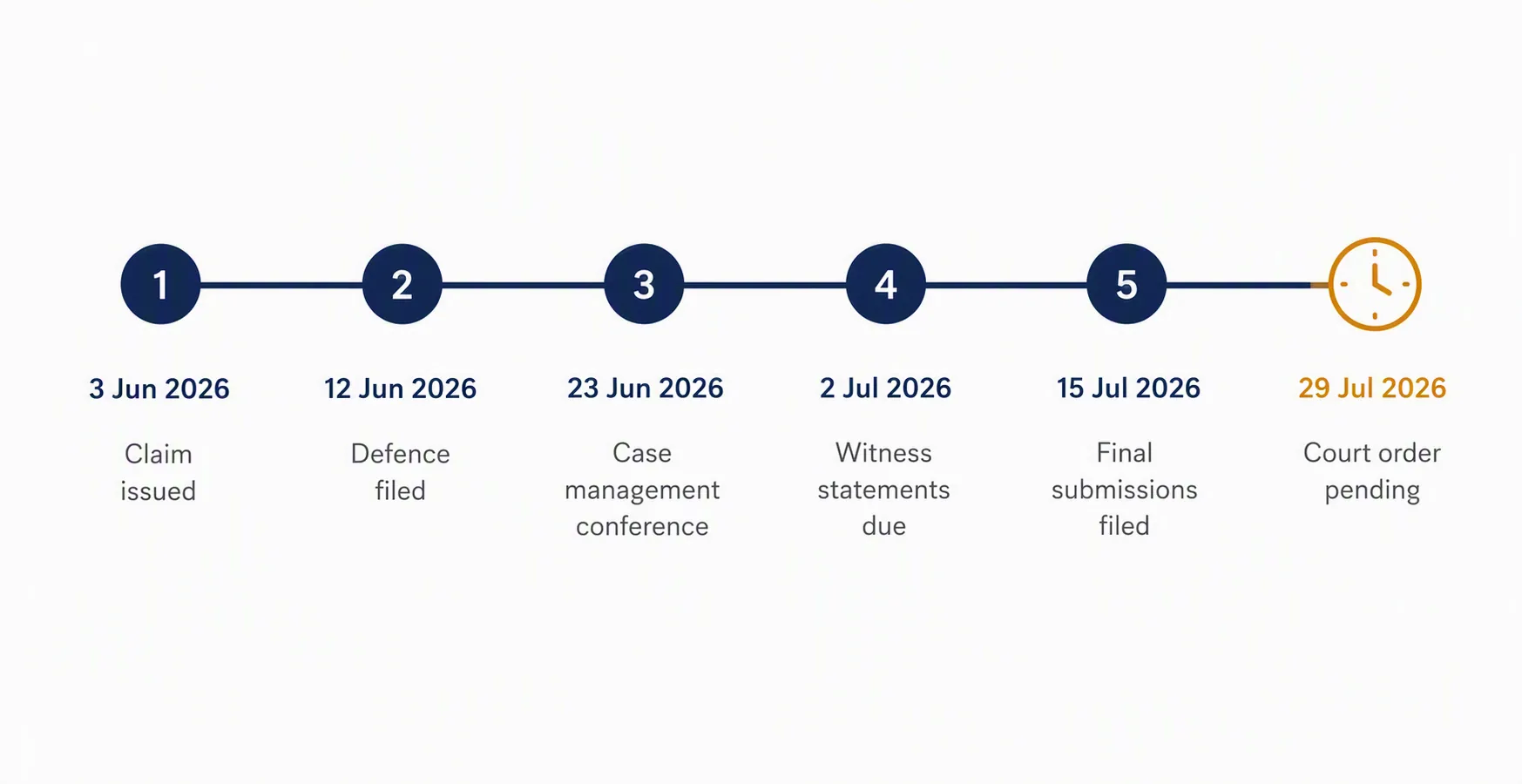
The case did not move from allegation to dismissal in one clean line. It moved through warnings, arrest, indictment, defense filings, a preservation warning, and finally a government motion to dismiss. Keeping those steps in order prevents the two most common errors in this file: treating the government’s request as the court’s order, and mixing the arraignment judge with the later motions judge.
| Date | Procedural Event | Status Significance |
|---|---|---|
| June 11, 2026 | An NPS engineer emailed a warning about perimeter coating vulnerability. | The government later said this was eight days before arrest and had not been provided to prosecutors before indictment. |
| June 19, 2026 | David Hearn was arrested. | The prosecution began before prosecutors received the later-disclosed DOI document set. |
| July 2, 2026 | A grand jury indicted Hearn for felony destruction of property causing more than $1,000 in damage. | DOJ announced a charge carrying a maximum penalty of ten years in prison under the federal destruction-of-property theory. |
| July 9, 2026 | Hearn was arraigned before Judge Carmen McLean, pleaded not guilty, and was released on personal recognizance. | McLean should not be described as the judge who later denied the defense dismissal motion. |
| July 16, 2026 | The defense filed a motion to dismiss. | That was the defense request, not a dismissal. |
| July 20, 2026 | Judge Todd E. Edelman denied the defense motion as premature and warned the government it was operating at its own peril on evidence preservation. | Edelman handled the later motion track; the denial kept the case active. |
| July 31, 2026 | The government filed a motion to dismiss the indictment without prejudice. | This is the current load-bearing event: a prosecutor’s motion, not yet a dismissal order. |
| August 5 and September 28, 2026 | A status hearing and trial date were on the calendar. | Those dates are likely to become moot if the dismissal is granted, but that depends on the court’s order. |
The indictment announced by DOJ charged Hearn with destruction of property in excess of $1,000 and described the charge as carrying a statutory maximum of ten years in prison.[2] That is why penalty shorthand matters. A version of the story that leaves readers with a “fine-only” impression gives the wrong legal takeaway for the charged federal case.
What The Government’s Motion Concedes
The July 31 motion is the document that changed the practical posture of the case. It does not merely say the government has changed its litigation preference. It says the evidence the government later received from DOI undercut the premise that the Reflecting Pool damage was vandalism.
The motion states that the damage was “the result of botched installation and not vandalism.” It also states that DOI gave “less than fulsome information” before indictment and that, after indictment, prosecutors received “695 megabytes of additional documents” from DOI.[1] Those phrases should be quoted carefully because they are the government’s own description of why it no longer seeks to proceed on the indictment.
The timing is the part that should make legal readers slow down. The motion places the June 11 NPS engineer warning eight days before the arrest and says prosecutors did not receive that material until after indictment.[1] That does not automatically prove every defense allegation about the charging process. It does establish that the government, in its own filing, tied its dismissal request to late-disclosed information from the very department whose property was said to have been damaged.
Hearn’s July 16 defense motion had already asked the court to dismiss, but Judge Edelman denied that request as premature on July 20 while warning the government about preservation risk.[3] That denial is another reason the July 31 filing cannot be rewritten as if the defense motion had already succeeded. The active procedural event became the government’s later motion.
What Not To Overstate
Several secondary facts may be relevant in a longer reported account, but they should not displace the docket-status answer. Hearn’s athletic background, including descriptions of him as an Olympic canoeist, should be attributed or independently verified before publication. It is not the fact that determines whether a criminal case has been dismissed.
The Reflecting Pool renovation figures also need restraint. Public reports have used different totals, and renovation-cost drift can masquerade as precision when the article’s real task is procedural verification. If the cost number is needed, it should be tied to the underlying contracting record or to the specific outlet being cited, not passed along as an interchangeable background flourish.
The unnamed grand-jury witness material belongs in the same secondary lane unless the underlying filing is opened and checked. The defense filed material concerning grand-jury witness testimony on July 27, 2026, but the prosecution’s full account of those proceedings is not established by the sourced materials summarized here.[4] A verification record should not use that material as though it independently resolves the case.
Counsel statements and apology demands may fairly show what Hearn’s side is saying about the prosecution. They are not substitutes for the dismissal order. The same rule applies to sympathetic facts. The government’s motion is unusually favorable to Hearn on the cause of the damage, but favorable language in a motion remains different from a signed order disposing of the indictment.
How To Cite The Case Today
A careful citation or news correction as of August 1, 2026 can say that the government moved to dismiss the indictment without prejudice on July 31 after stating that the Reflecting Pool damage resulted from botched installation rather than vandalism. It should also say that no court dismissal order had been verified as entered at the time of the status check.[1]
The safer status language is:
- Accurate: “The government moved to dismiss the indictment without prejudice; an order is pending.”
- Accurate with caveat: “The case is expected to be dismissed if the court grants the government’s motion.”
- Too far as of this verification: “The court dismissed the case.”
- Too broad without caveat: “The charges are gone for good.”
That same discipline is useful outside this case. Source-status mistakes are how a request becomes an order, an allegation becomes a finding, and a public narrative becomes a database fact. Lex Machina Review usually tracks that failure pattern in AI and legal-verification contexts, including the source-checking problems discussed in Hank Green’s ChatGPT Research Is a Legal Red Flag and The Underwood Teacher Probation Case That AI Keeps Hallucinating. This Hearn entry is not an AI matter, but it is the same verification problem in a cleaner procedural form.
For pre-filing and pre-publication work, the practical check is simple: identify the actor, locate the docket entry, and separate the requested relief from the relief actually ordered. That is the same habit behind a sound intake checklist, whether the matter is a criminal docket or a civil claim verification exercise like What to Ask a San Jose Bicycle Accident Lawyer. The consequence is different; the verb discipline is the same.
If Judge Edelman or the court enters an order granting the government’s motion, the status can be updated to dismissed without prejudice. Until then, “reported dismissed” and “court-ordered dismissed” are different statuses. This record exists to keep them different.
References
- Government’s Motion to Dismiss Indictment, USAO-DC, July 31, 2026
- Maryland Man Indicted for Vandalizing Reflecting Pool, DOJ USAO-DC
- Defense Motion to Dismiss, DocumentCloud, July 16, 2026
- Defense filing re: grand jury witness testimony, DocumentCloud, July 27, 2026
Related records
Tool profile
How Meta's AI Spending Reshapes Law Firm ProfitabilityGoverning regulation
Browse the obligations tracker →Preventive workflow
Browse verification workflows →
Report a correction or tip
Spotted an outdated figure, a misstated fact, or a ruling this case record should reflect? Public comments are disabled for this content given the professional cost of a misreported case outcome, penalty amount, or rule text — use the structured correction channel instead.
Report a correction or tip for this record →