
Flagship tracker
Risk Digest
The flagship, near-daily updated database of documented AI hallucination and sanction incidents in legal proceedings worldwide. Each entry is a structured record, not a news article: jurisdiction, court, judge (if named), the AI tool implicated, penalty amount, ruling date, a confirmed-vs-reported status flag, and a link to the primary court order. Serves the 'check risk' and 'track regulation' tasks: a lawyer, risk manager, or journalist scanning for new sanctions, a specific jurisdiction, or a specific tool. Excludes narrative commentary, procedural how-to guidance (belongs in Workflows), and rule text summaries (belongs in Regulation). This group is the site's differentiation engine: freshness and per-record sourcing are the moat, so every record must carry a last-verified timestamp distinct from the ruling date.
Confirmed
A court order or docket entry has been independently verified.
Reported — unverified
Still pending independent verification against a primary source.
Filtered by tag federal-court — clear filter
 UpdatedJurisdictionUnited StatesRuling dateApr 29, 2026
How UN Accountability Hearings Shape AI Governance in Law Firms
This article distills the oversight architecture proposed in the 2026 UN accountability reform hearings — budget conditionality, independent audit functions, mandate review, and consequence mechanisms — and maps each reform tool to a specific AI governance practice with court-sanction precedent. Law firms can use this verified framework to structure AI tool verification policies, replacing generic best-practice lists with a model tested on institutional accountability failures.
 UpdatedJurisdictionU.S. Supreme CourtRuling dateJun 30, 2026
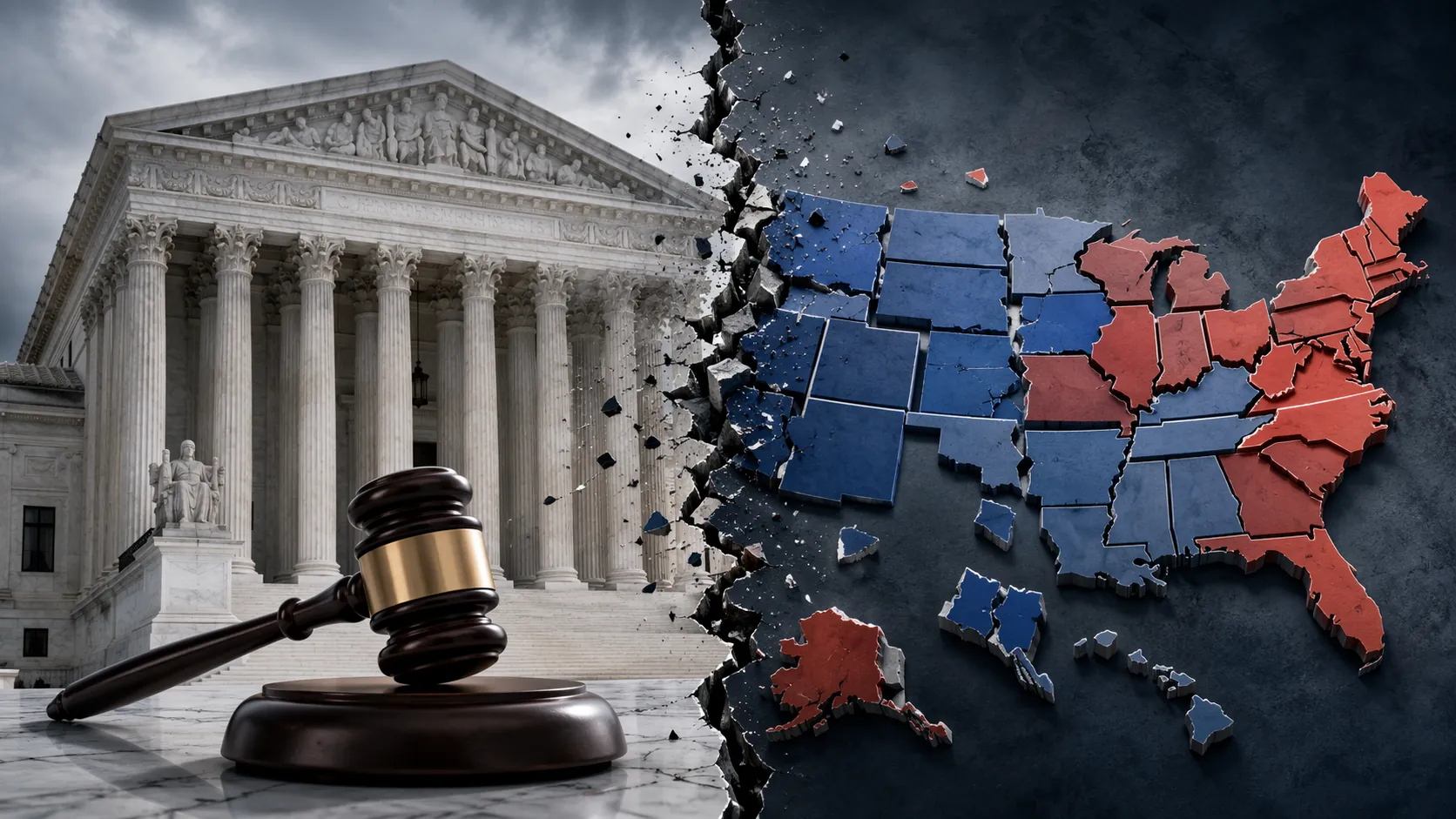
Sophie Cunningham on the Title IX ruling's school impact
Sophie Cunningham's recent comments on transgender athletes in women's sports underscore the practical import of the Supreme Court's June 2026 ruling. This article explains what the ruling actually requires of schools and athletic conferences, what it leaves unresolved, and the compliance and litigation risks that institutions now face in a divided state-law landscape.
 UpdatedJurisdictionUnited States Supreme CourtRuling dateJun 30, 2026
How Accurate Is Sophie Cunningham's Title IX Stance?
We test Sophie Cunningham's Title IX claims against the statute, the Supreme Court's West Virginia v. B.P.J. ruling, and authoritative legal commentary. Readers learn which parts of her stance hold up and where it omits critical legal nuance.
 UpdatedJurisdictionUnited StatesRuling dateJun 29, 2026
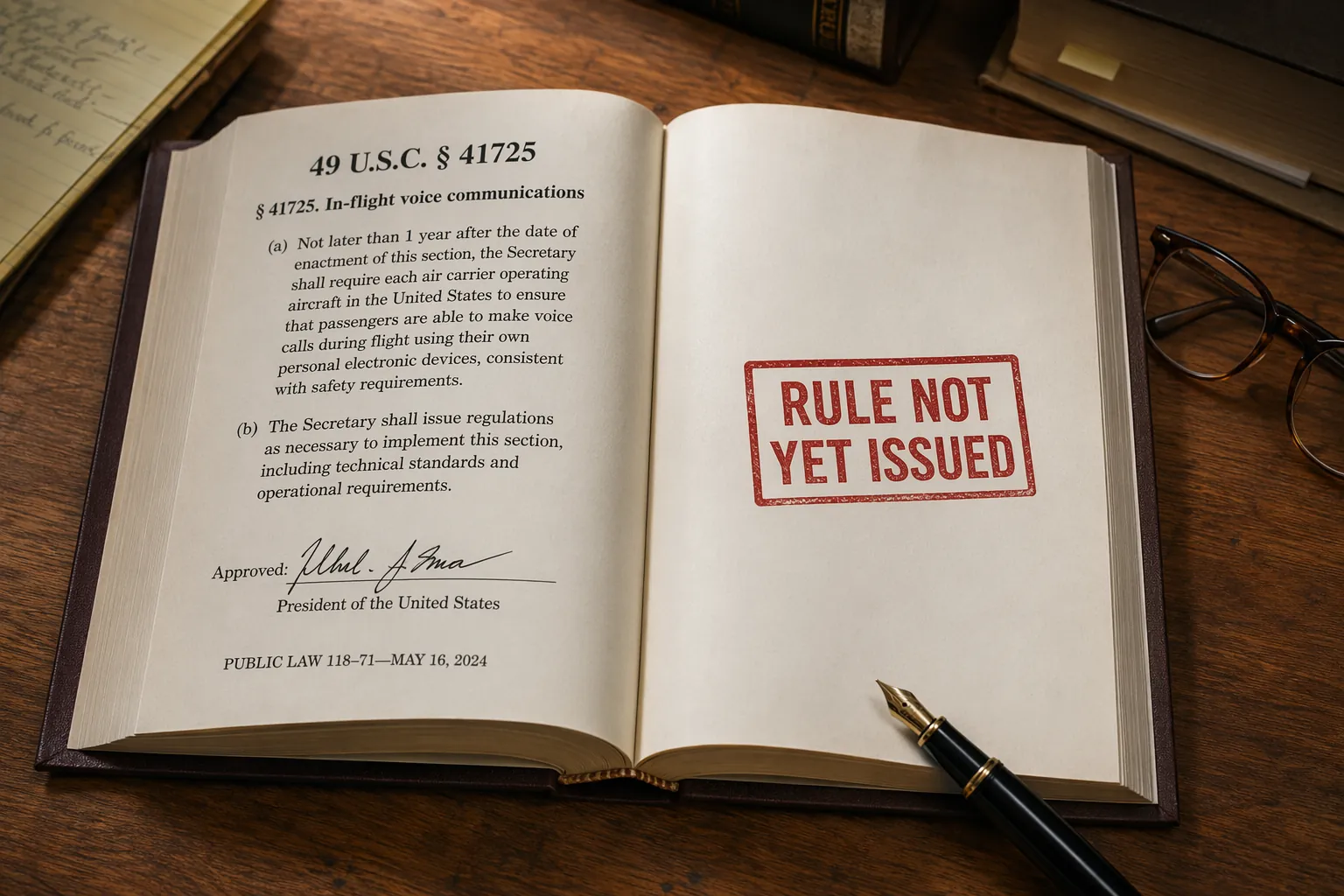
How the Quiet Skies Act Finally Closes the In-Flight Phone Ban Gap
No federal statute currently bans in-flight cell phone voice calls on U.S. flights because the DOT never finalized the rule Congress ordered in 2018. This article explains how the 2026 Quiet Skies Act (H.R. 9530) imposes a 180-day deadline to close that gap and what changes if it passes.
 UpdatedJurisdictionFifth CircuitRuling dateJun 9, 2025
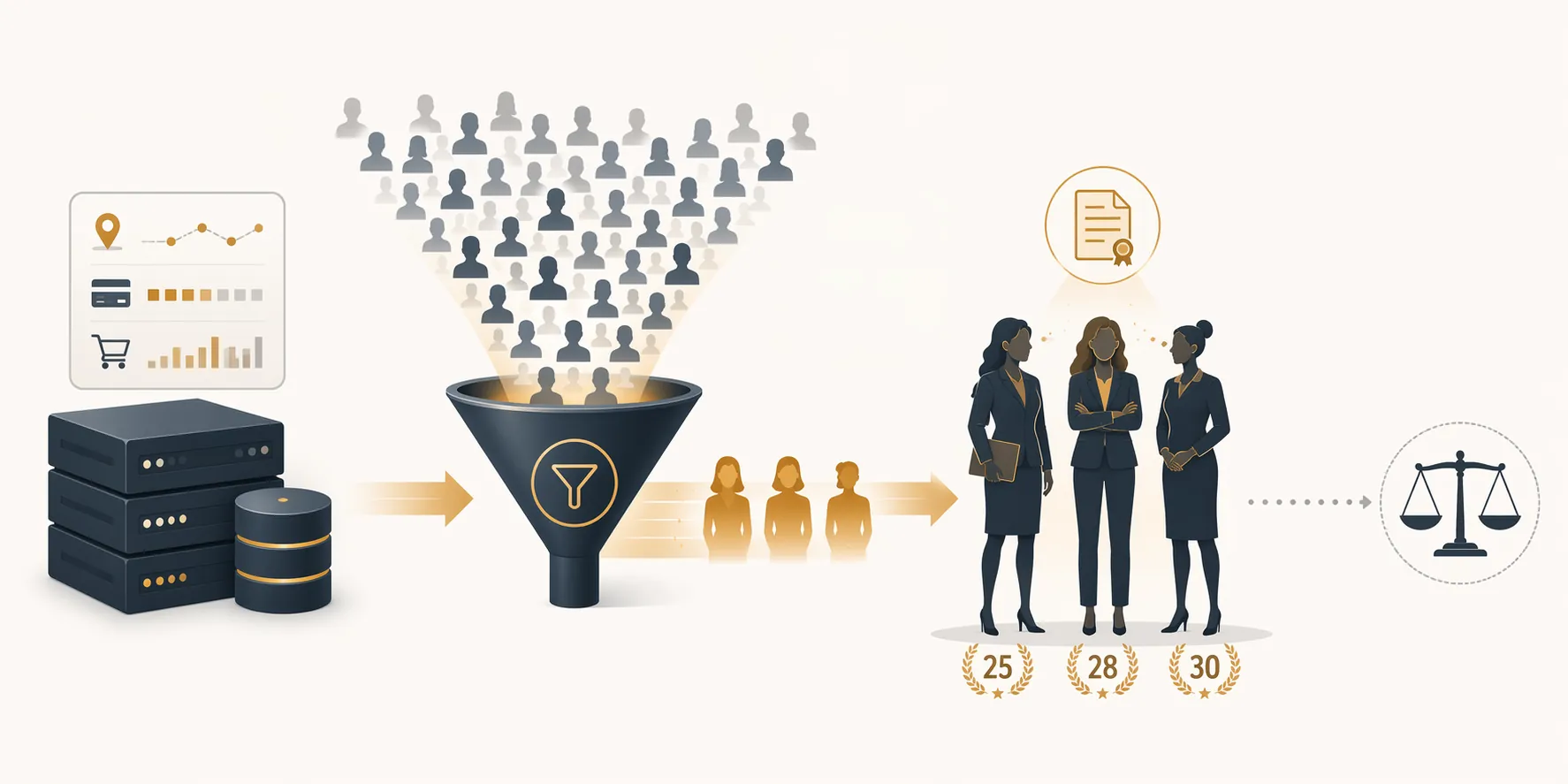
How United Airlines' Trip Trading Algorithm Created Age Bias Liability
When United Airlines deployed a proprietary algorithm to enforce its trip trading policy, the tool flagged 28 flight attendants and led to the termination of three senior women—all over 55. This article examines why the Fifth Circuit ruled that algorithmic enforcement does not shield employers from age discrimination claims and what that means for AI-driven HR decisions.