
Flagship tracker
Risk Digest
The flagship, near-daily updated database of documented AI hallucination and sanction incidents in legal proceedings worldwide. Each entry is a structured record, not a news article: jurisdiction, court, judge (if named), the AI tool implicated, penalty amount, ruling date, a confirmed-vs-reported status flag, and a link to the primary court order. Serves the 'check risk' and 'track regulation' tasks: a lawyer, risk manager, or journalist scanning for new sanctions, a specific jurisdiction, or a specific tool. Excludes narrative commentary, procedural how-to guidance (belongs in Workflows), and rule text summaries (belongs in Regulation). This group is the site's differentiation engine: freshness and per-record sourcing are the moat, so every record must carry a last-verified timestamp distinct from the ruling date.
Confirmed
A court order or docket entry has been independently verified.
Reported — unverified
Still pending independent verification against a primary source.
Filtered by tag jurisdiction-us-federal — clear filter
 CONFIRMEDUpdatedJurisdictionMassachusetts, United StatesCourtPlymouth Superior CourtToolNo AI tool implicatedRuling dateJul 24, 2026
How Judge Sullivan Shaped the Lindsay Clancy Trial in Five Rulings
An examination of five pretrial evidence rulings by Judge William F. Sullivan in the Lindsay Clancy murder trial — from the 911 call and autopsy photos to juror management — offering procedural lessons for litigators on balancing probative value against prejudice when the underlying facts are not in dispute.
Last verified
 REPORTED — UNVERIFIEDUpdatedJurisdictionCaliforniaCourtCalifornia state courtToolNo AI tool implicatedRuling dateJul 27, 2026
Three Legal Claims in Ariana Grande's Privacy Lawsuit
Analyze the three legal theories in Ariana Grande's July 2026 hacking lawsuit—intrusion upon seclusion, CDAFA computer fraud, and conversion—and the strategic trade-offs for litigators bringing similar digital-privacy cases.
Last verified
 REPORTED — UNVERIFIEDUpdatedJurisdictionUS FederalCourtU.S. District CourtToolGrapheneOSRuling dateNov 1, 2025
What the Samuel Tunick Case Means for Border Privacy Rights
This Risk Digest entry records the first known US prosecution under 18 U.S.C. § 2232(a) for using a duress-passcode feature during a CBP border search, a novel legal theory that, if upheld, could reshape legal advice on cross-border device security. The suppression motion remains pending as of July 2026, making this a live risk signal for litigators and traveling clients.
Last verified
 REPORTED — UNVERIFIEDUpdatedJurisdictionUS-IdahoCourtIdaho Fourth Judicial District CourtToolSTRmix, TrueAllele, OthramRuling dateJul 27, 2026
What Kohberger's Hair Evidence Appeal Means for AI Forensic Challenges
Bryan Kohberger's July 2026 post-conviction petition claims withheld hair evidence undermines his guilty plea. The record contradicts that claim, but the case highlights a structural risk: proprietary AI-adjacent forensic tools may escape adversarial testing when guilty pleas waive direct appeal, creating Brady and IAC exposure for both sides.
Last verified
 CONFIRMEDUpdatedJurisdictionUS Federal - EDVACourtU.S. District Court for the Eastern District of VirginiaToolNoneRuling dateNov 24, 2025
Comey Motion to Dismiss Highlights Prosecutorial Independence Risk
The November 2025 dismissal of the James Comey prosecution exposed a procedural vulnerability: an unlawfully appointed interim U.S. Attorney acting as a stalking horse for a presidential vendetta. This record traces the suppressed declination memo, grand-jury irregularities, and court findings that transform a theoretical risk into a concrete factor for law-firm and client risk assessment.
Last verified
 REPORTED — UNVERIFIEDUpdatedJurisdictionUS-New YorkCourtNew York City (Mamdani database publication)ToolMamdani property databaseRuling dateJul 1, 2026
Legal Consequences of Doxing Wealthy Property Owners in 2025
The NYC Mamdani database publication exposed nearly a million property owners to potential harassment, yet existing state and federal doxing laws offer limited protection for private individuals targeted by government-compelled disclosure.
Last verified
 REPORTED — UNVERIFIEDUpdatedJurisdictionIllinoisCourtMcHenry County Circuit CourtToolNoneRuling dateJul 26, 2026
Stevenson Crane Executive Termination After Fatal DUI Boat Crash
A verified record of the Stevenson Crane executive termination and DUI boat crash case: Class 2/Class 3 felony charges, 0.236 BAC, pretrial detention, and corporate termination within 48 hours — all sourced to McHenry County court filings and company statements.
Last verified
 REPORTED — UNVERIFIEDUpdatedJurisdictionIllinois, United StatesCourtMcHenry County Circuit CourtToolNoneRuling dateJul 27, 2026
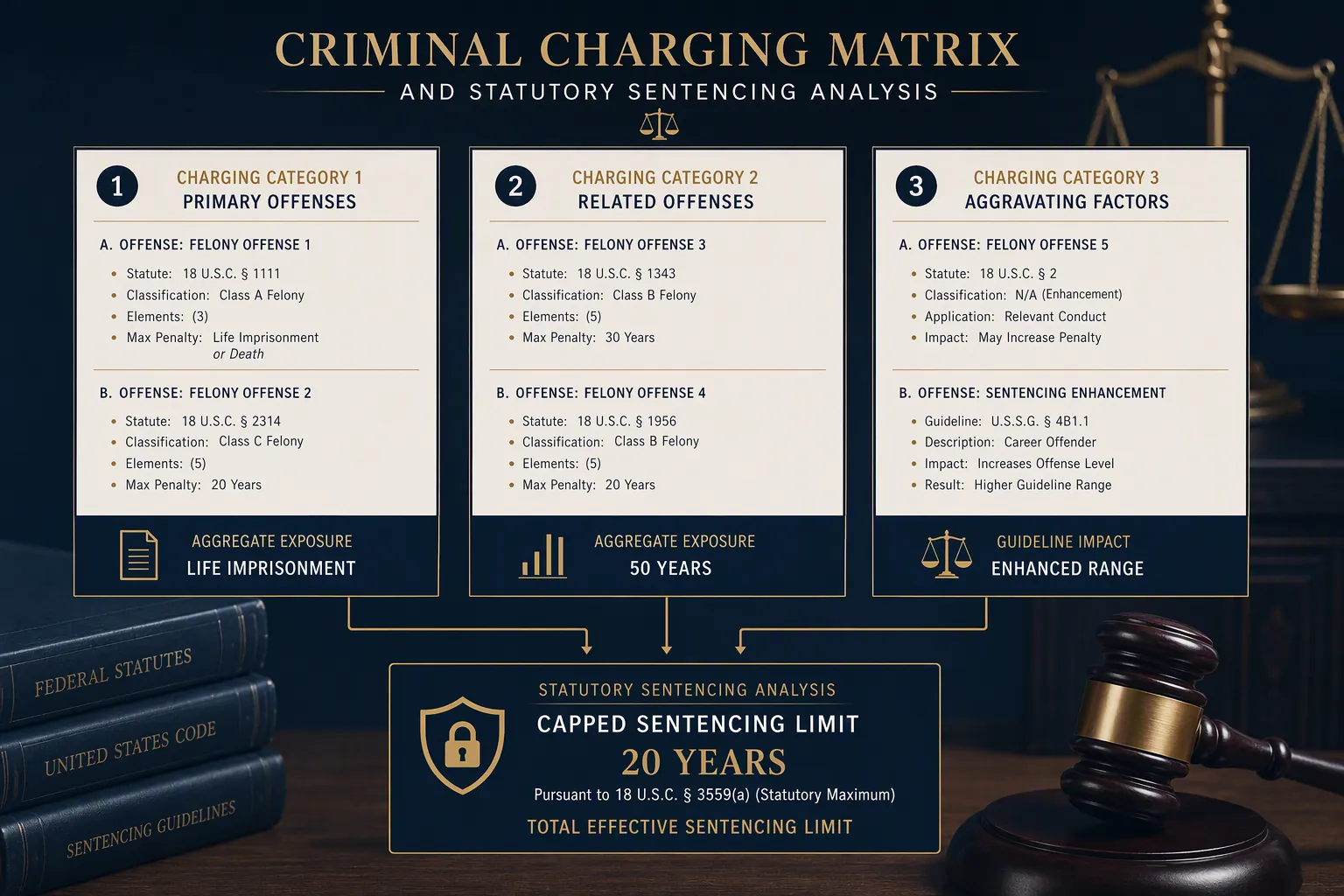
Charges Richard Stevenson Faces in the Fox River Boat Crash
A statute-by-statute breakdown of the charges Richard Stevenson faces in the fatal Fox River boat crash: the aggravated DUI and reckless homicide counts, their sentencing ranges, and the concurrent sentencing rule that caps total exposure at 14 years, with the key unknowns remaining at this stage.
Last verified
 REPORTED — UNVERIFIEDUpdatedJurisdictionIllinoisCourtIllinois Circuit CourtToolNo AI toolRuling dateJul 25, 2026
Marine Veteran Killed in Fox River BUI: Civil Liability Exposures
A civil-liability analysis of the July 25, 2026 Fox River fatal boating DUI crash, covering Illinois wrongful death damages, punitive damages under the 2023 HB 219 amendment, and potential employer liability considerations.
Last verified
 CONFIRMEDUpdatedJurisdictionUnited StatesCourtU.S. Supreme CourtToolNoneRuling dateJun 25, 2026
How Mullin v. Doe Made the 2025 DHS Haitian Deportation Warning Real
The June 2026 Mullin v. Doe ruling eliminated the litigation buffer that had shielded Haitian TPS holders, making the DHS deportation warning from 2025 immediately enforceable. This record explains the legal mechanism, the timeline of enforcement actions, and what limited defenses remain.
Last verified
 REPORTED — UNVERIFIEDUpdatedJurisdictionNew York (US state)CourtNew York State Supreme Court, New York CountyToolNoneRuling dateJul 27, 2026
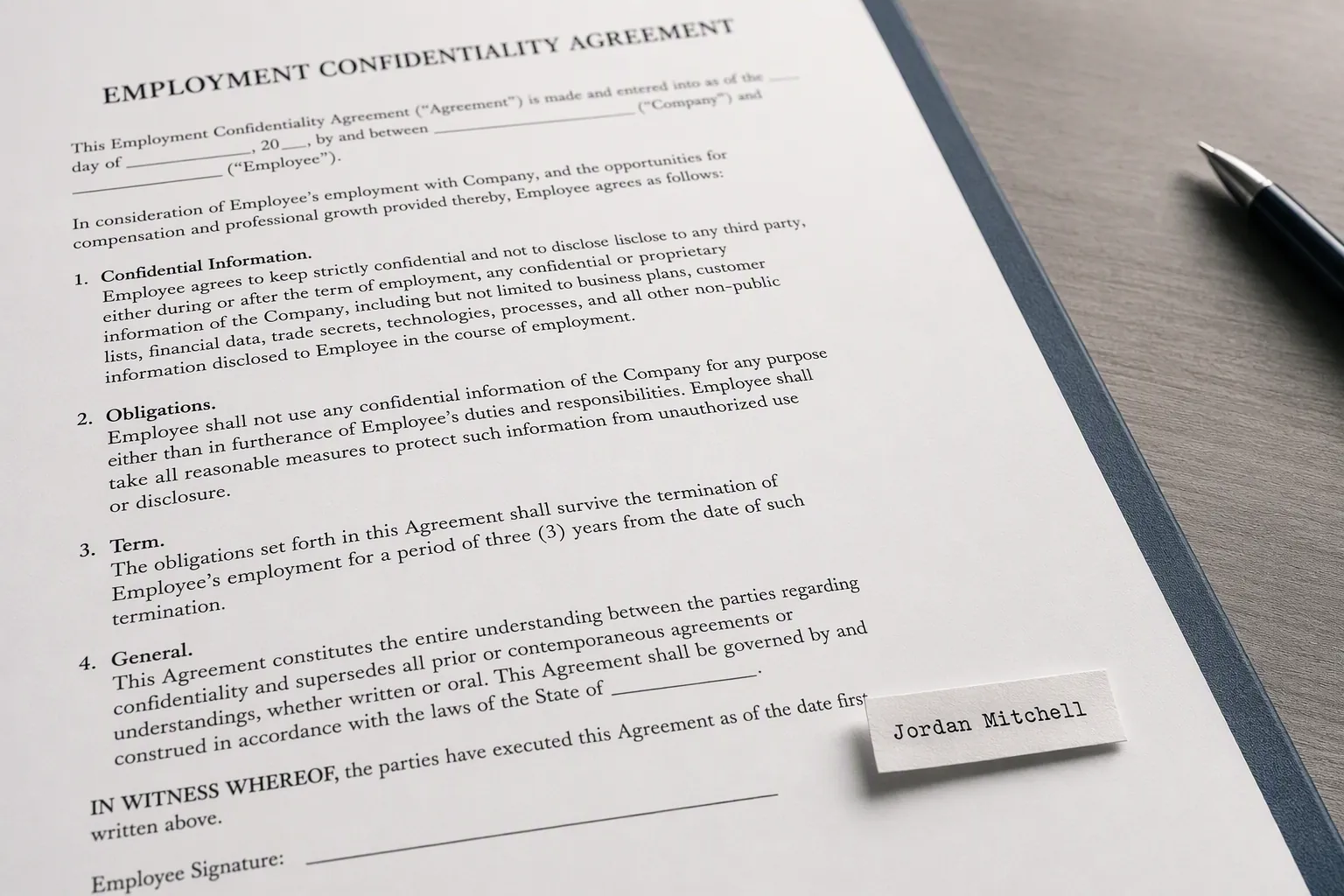
Howard Stern NDA Lawsuit Highlights Signature Risk
The Howard Stern former assistant's NDA lawsuit introduces a novel defense that a typewritten-only signature renders the agreement void ab initio. This article examines the risk signal for employers who rely on informal signature practices and the implications for AI-assisted contract execution.
Last verified
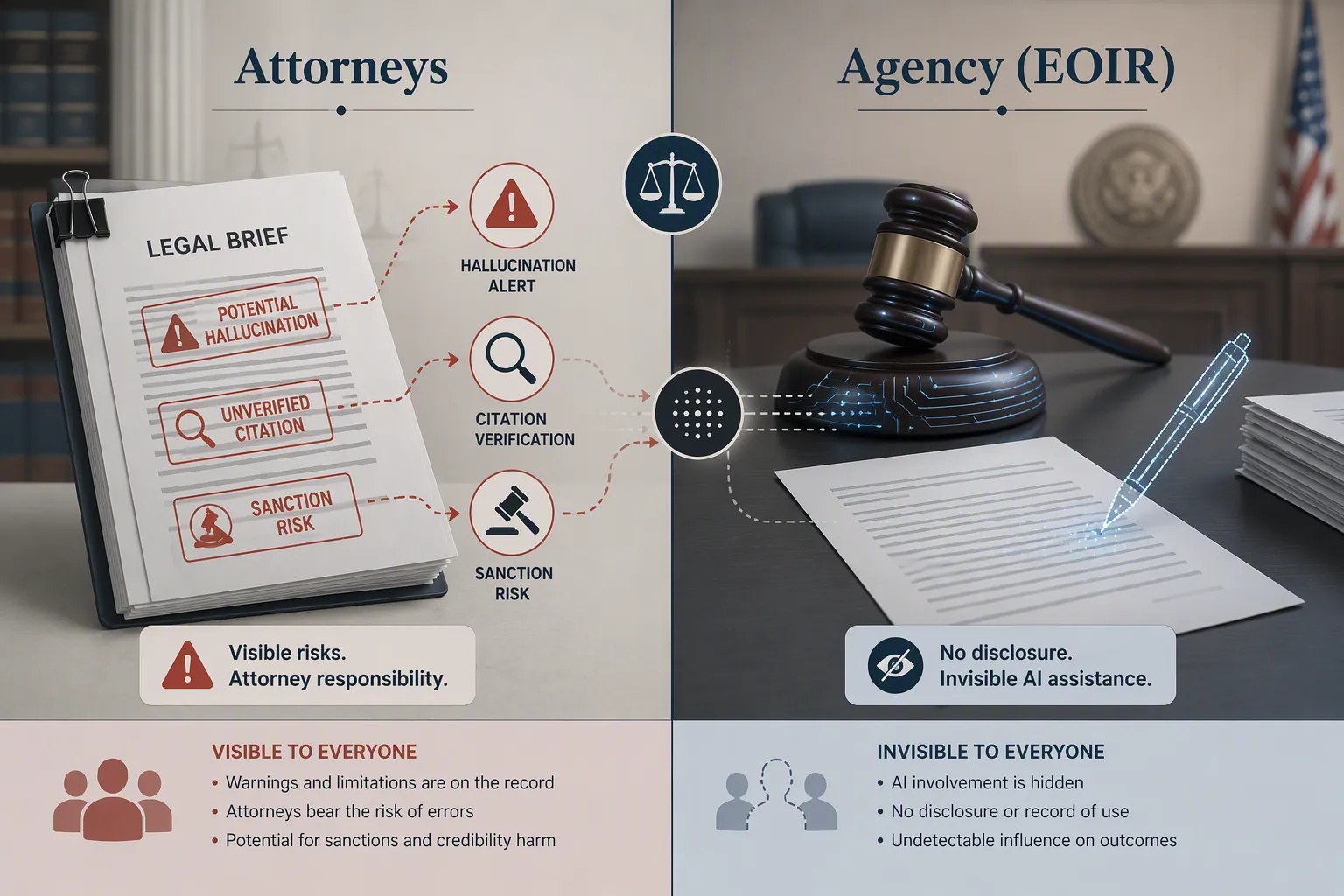 REPORTED — UNVERIFIEDUpdatedJurisdictionUS-FederalCourtImmigration Court (Santa Ana)ToolGenerative AIRuling dateJul 29, 2026
The two-tier AI standard in Roberto Guzmán's deportation appeal
Roberto Guzmán's July 2026 deportation denial in Santa Ana immigration court illustrates how EOIR warns attorneys against AI hallucinations while deploying AI to draft rulings without disclosure — a transparency gap that affects due process for respondents.
Last verified
 REPORTED — UNVERIFIEDUpdatedJurisdictionUS FederalCourtU.S. District Court for the Southern District of New YorkToolLlamaRuling dateJul 29, 2026
Can AMD Instinct GPUs Meet Law Firm Ethics Standards?
Law firms evaluating on-premise AI chips must weigh AMD Instinct's cost and memory advantages against documented software-maturity risks under ABA ethics rules. This assessment maps the performance, accuracy, and privilege considerations that determine when AMD is viable and when it introduces uninsurable exposure.
Last verified
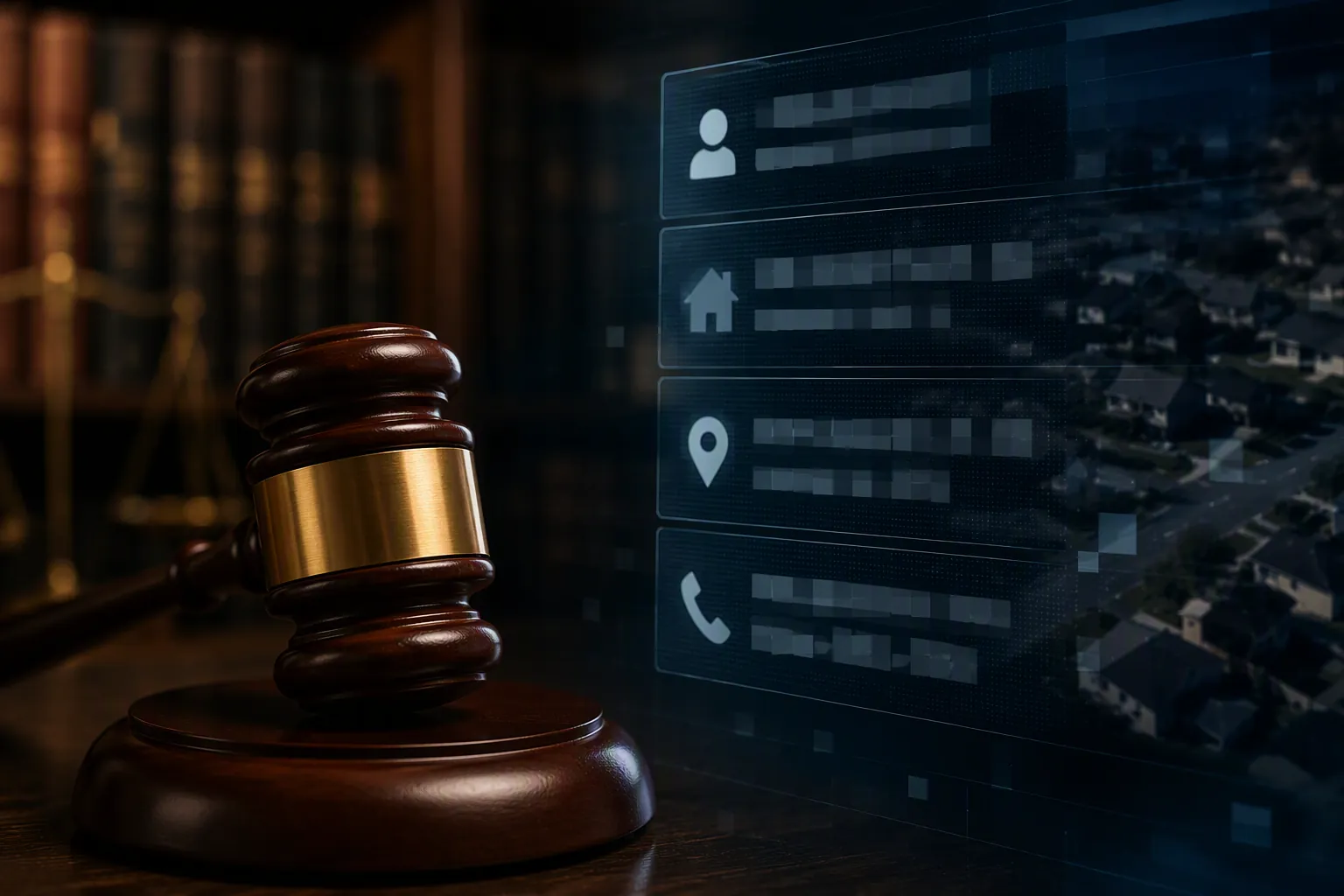 REPORTED — UNVERIFIEDUpdatedJurisdictionUS FederalCourtU.S. District Court for the Central District of CaliforniaToolNoneRuling dateSep 1, 2025
Federal Law Consequences for Doxing an ICE Officer
18 U.S.C. § 119 makes doxing an ICE officer a federal felony with up to 5 years' imprisonment, but the statute requires specific intent to threaten or incite violence and covers only six enumerated categories of personal information. This briefing examines three 2025–2026 prosecutions to show the actual enforcement boundaries.
Last verified
 REPORTED — UNVERIFIEDUpdatedJurisdictionUS-FederalCourtU.S. Securities and Exchange CommissionToolOpenAIRuling dateMar 27, 2026
SoftBank's $40B OpenAI Loan Signals Vendor Risk for Law Firms
This analysis translates the SoftBank-OpenAI $40B unsecured bridge loan and its surrounding financial events into concrete vendor-diligence signals for law firms using OpenAI-powered legal AI tools. Readers will learn why the 12-month term, stalled margin loan, and IPO delay create material timeline and concentration risks that should be incorporated into AI procurement and contract reviews.
Last verified
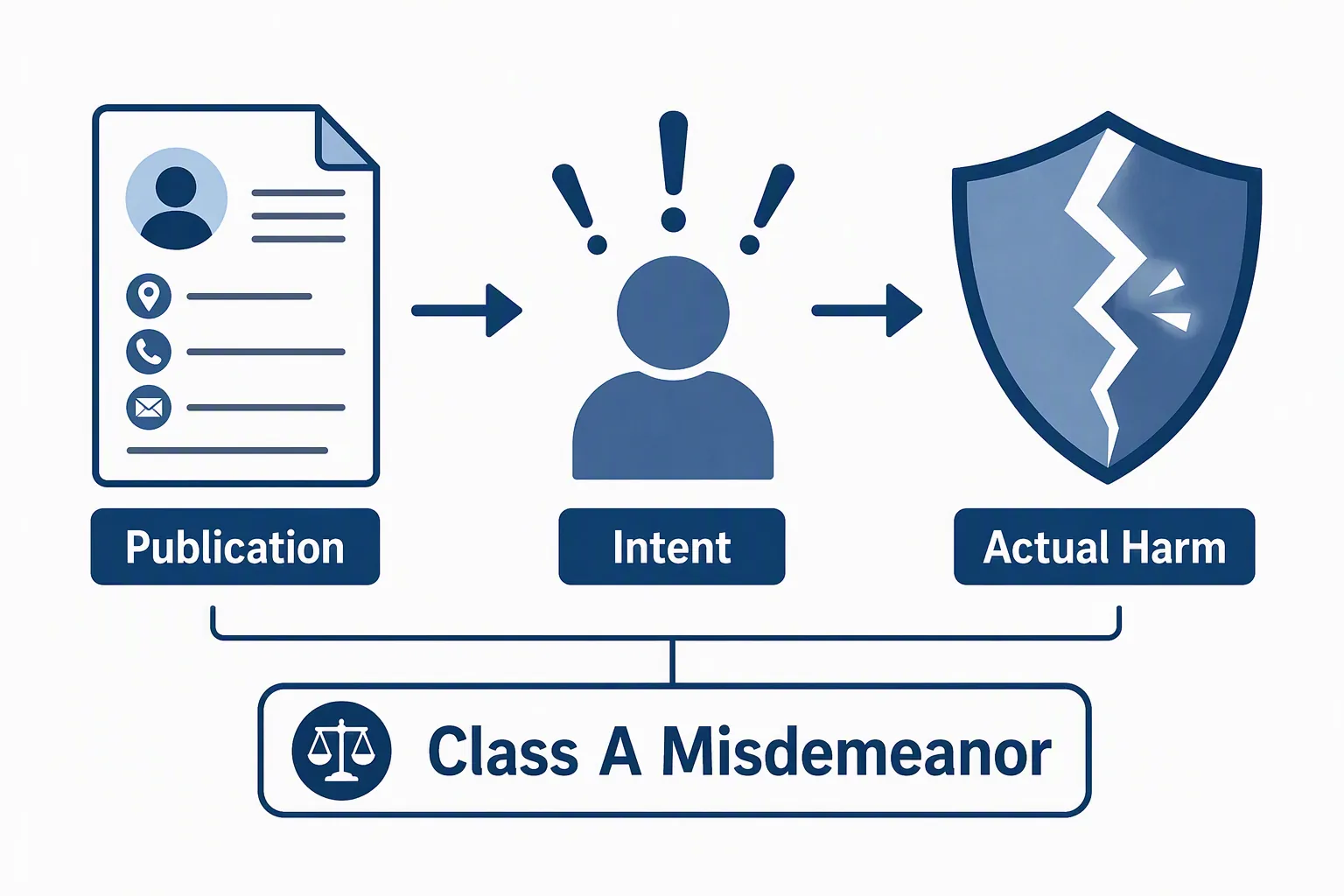 REPORTED — UNVERIFIEDUpdatedJurisdictionUS-AlabamaCourtAlabama state courtsToolNoneRuling dateJul 29, 2026
What's the Penalty for a First Doxing Conviction in Alabama?
The penalty for a first doxing conviction under Alabama law is a Class A misdemeanor — up to one year in jail and $6,000 in fines. This article explains the current statute, the actual-harm requirement, and the failed 2026 amendment that would have changed it.
Last verified
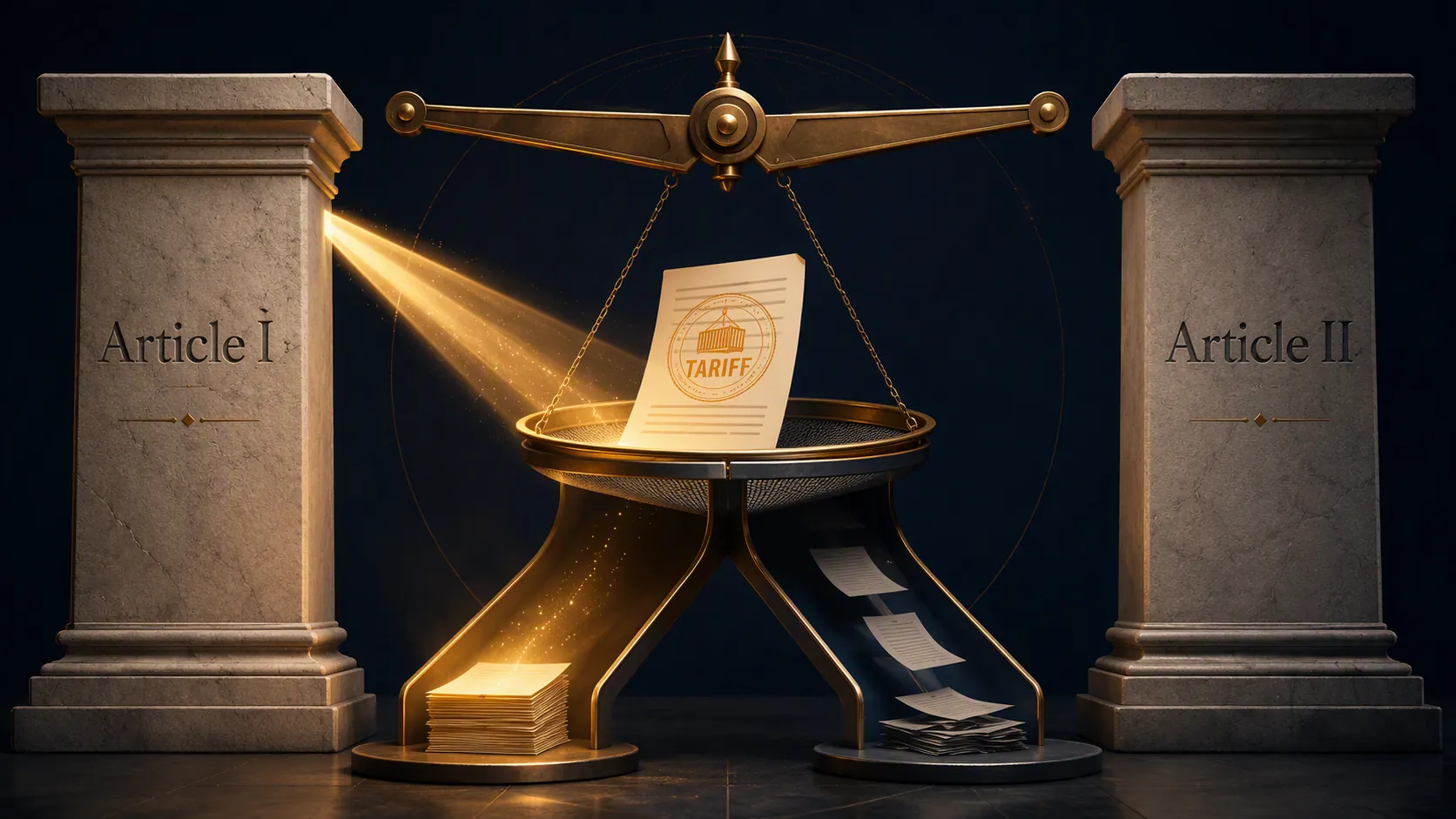 CONFIRMEDUpdatedJurisdictionUS FederalCourtSupreme Court of the United StatesToolNo AI tool namedRuling dateJan 1, 2026
Predict Executive Action Risk with Gorsuch's Major Questions Doctrine
This article applies Justice Gorsuch's Article I/II sorting principle from the Learning Resources tariff case to predict which executive actions face the highest major questions doctrine vulnerability. Litigators and in-house counsel can use this framework to rank risk across appropriations impoundment, IEEPA outbound investment restrictions, semiconductor export controls, and CFIUS divestitures.
Last verified
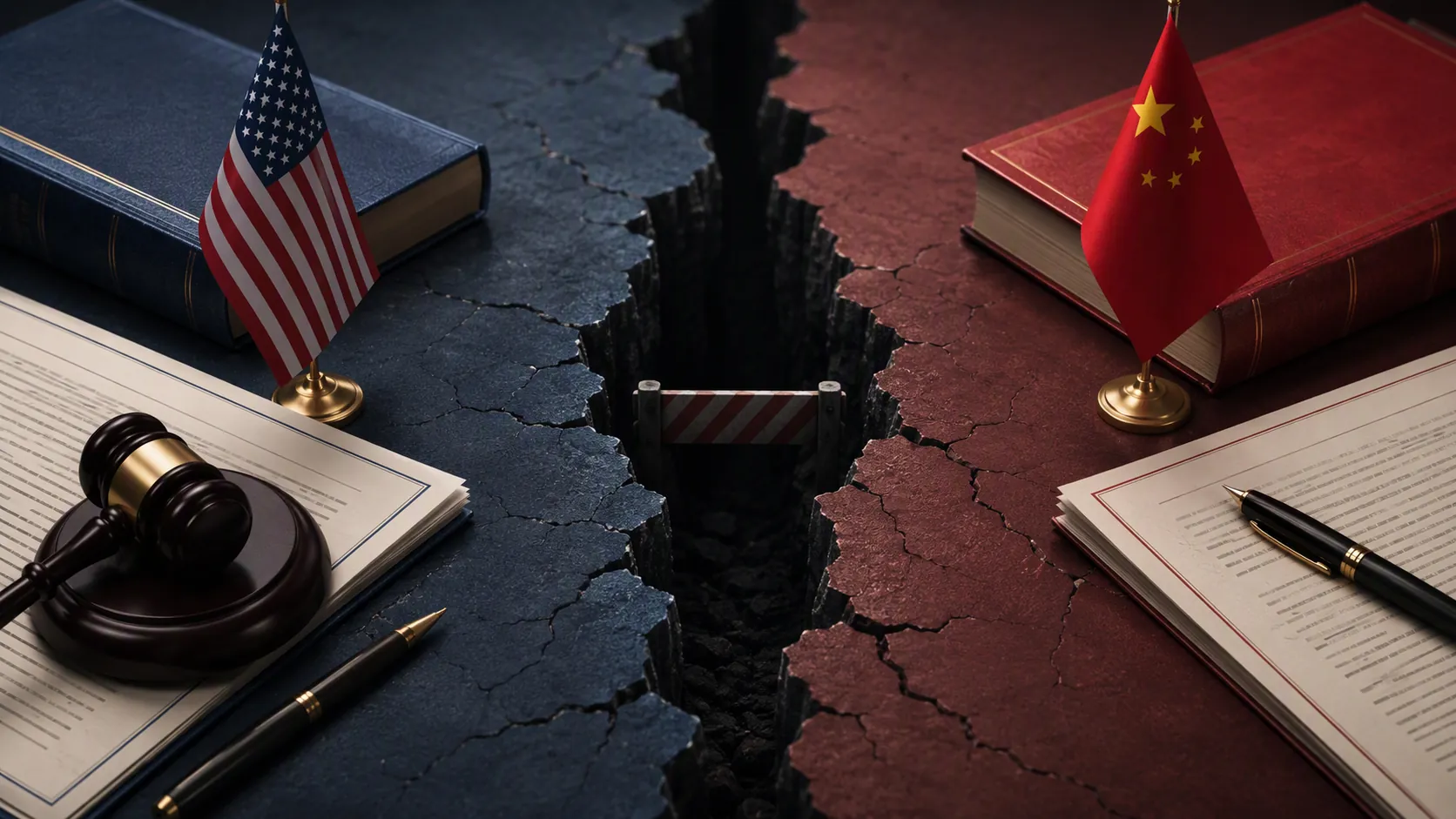 REPORTED — UNVERIFIEDUpdatedJurisdictionUnited StatesCourtChinese People's Courts (potential)ToolNoneRuling dateApr 1, 2026
The Hidden Legal Risk in China's DUV Semiconductor Rules
Complying with US DUV export controls may trigger Chinese countermeasures under Beijing's new April 2026 regulations. This analysis maps the direct legal conflict for multinational semiconductor firms operating in both jurisdictions and identifies the unresolved compliance risk.
Last verified
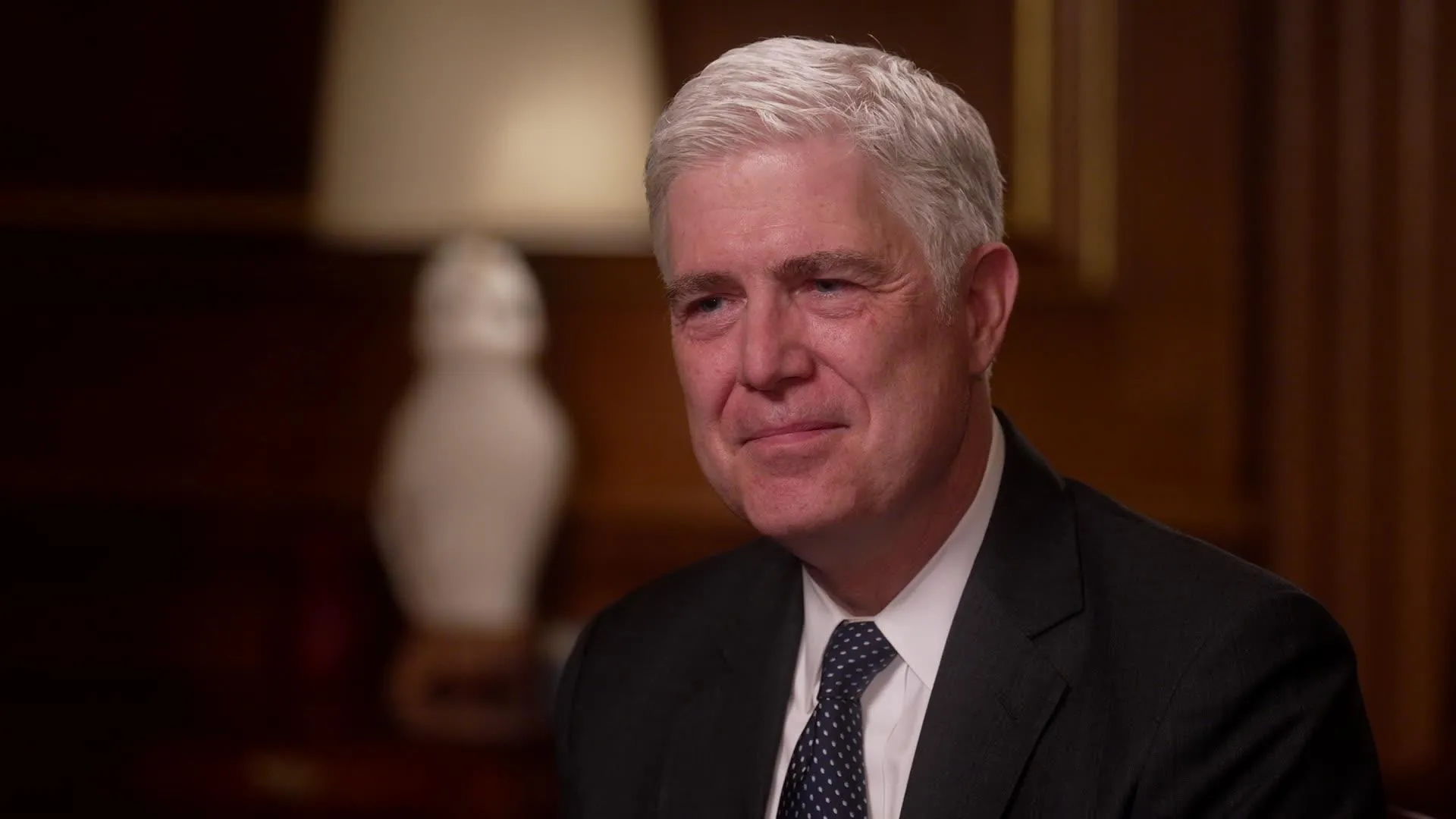 REPORTED — UNVERIFIEDUpdatedJurisdictionUnited States (federal)CourtSupreme Court of the United StatesToolGeneral AI legal drafting toolRuling dateJul 24, 2026
What Gorsuch's Firing Line Civics Lesson Means for AI Risks
Neil Gorsuch's July 2026 Firing Line interview defending originalism as a constraint on judicial power provides a framework for assessing the risk of AI-generated legal arguments. This article analyzes how originalist methodology elevates the sanction risk for AI outputs that cannot trace their reasoning to fixed textual sources.
Last verified
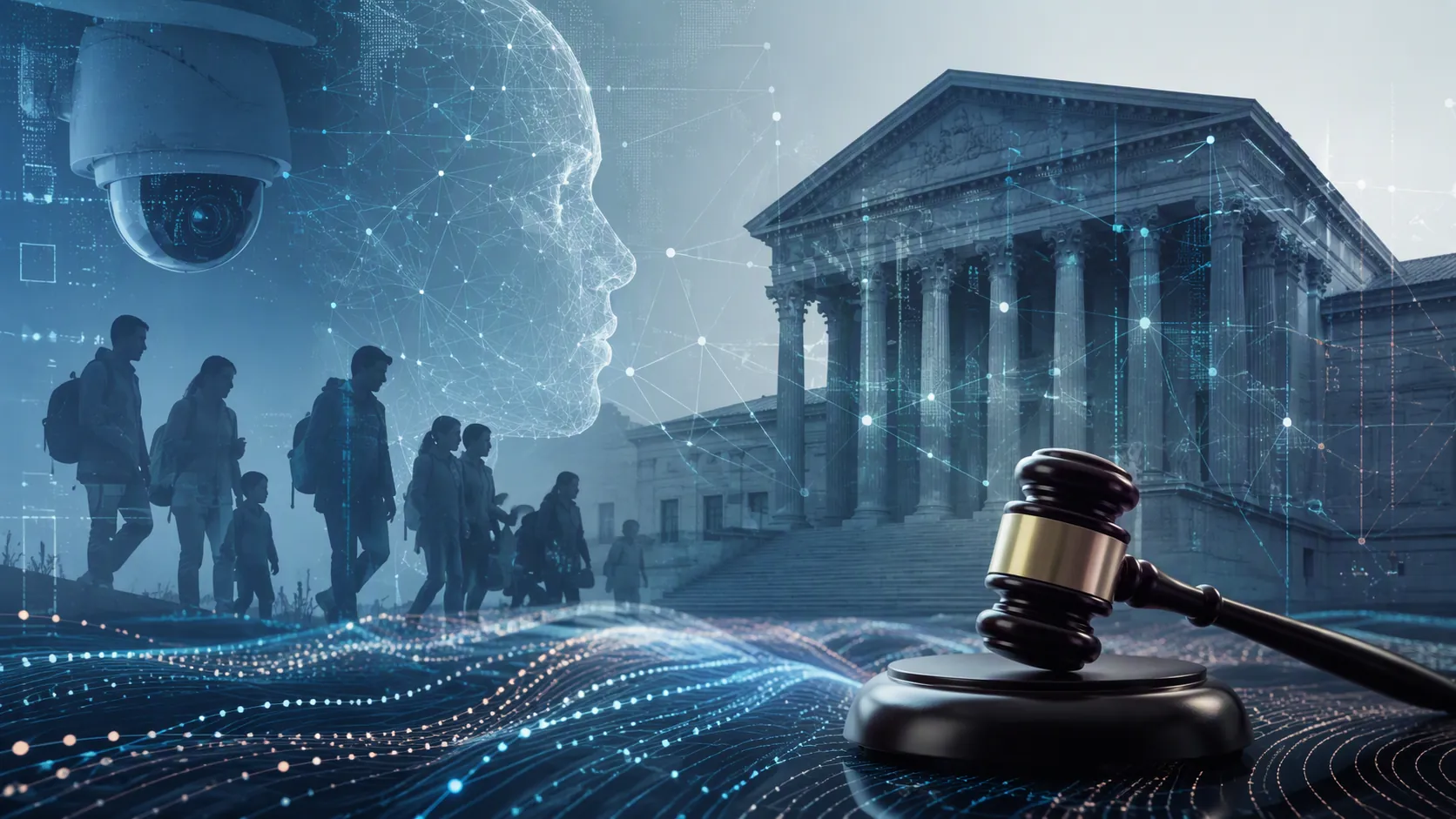 REPORTED — UNVERIFIEDUpdatedJurisdictionUS - Oregon DistrictCourtU.S. District Court for the District of OregonToolPalantir ImmigrationOS, ELITERuling dateJul 13, 2026
Court Rulings Challenge ICE AI Expired-Visa Enforcement
ICE's AI-powered targeting of expired-visa overstayers has triggered class-action certifications, due-process rulings, and wrongful arrest claims that create citable legal risk for government and vendor reliance on these systems.
Last verified