
Obligations tracker
Regulation
An obligations tracker organized by issuing authority and jurisdiction: US federal and state court standing orders, state bar ethics opinions, ABA guidance, and EU AI Act provisions relevant to legal-service AI use. Each entry pairs the primary rule text with a plain-language summary and an effective date, kept strictly separated by jurisdiction scope so US court/bar rules are never conflated with EU AI Act obligations. Serves the task of determining what is mandatory where a practitioner practices. Excludes case outcomes (Risk Digest) and procedural how-to steps (Workflows); this group answers 'what rule applies,' not 'what happened' or 'what do I do.'
US Federal
 UpdatedAuthorityNHTSARule typeregulation
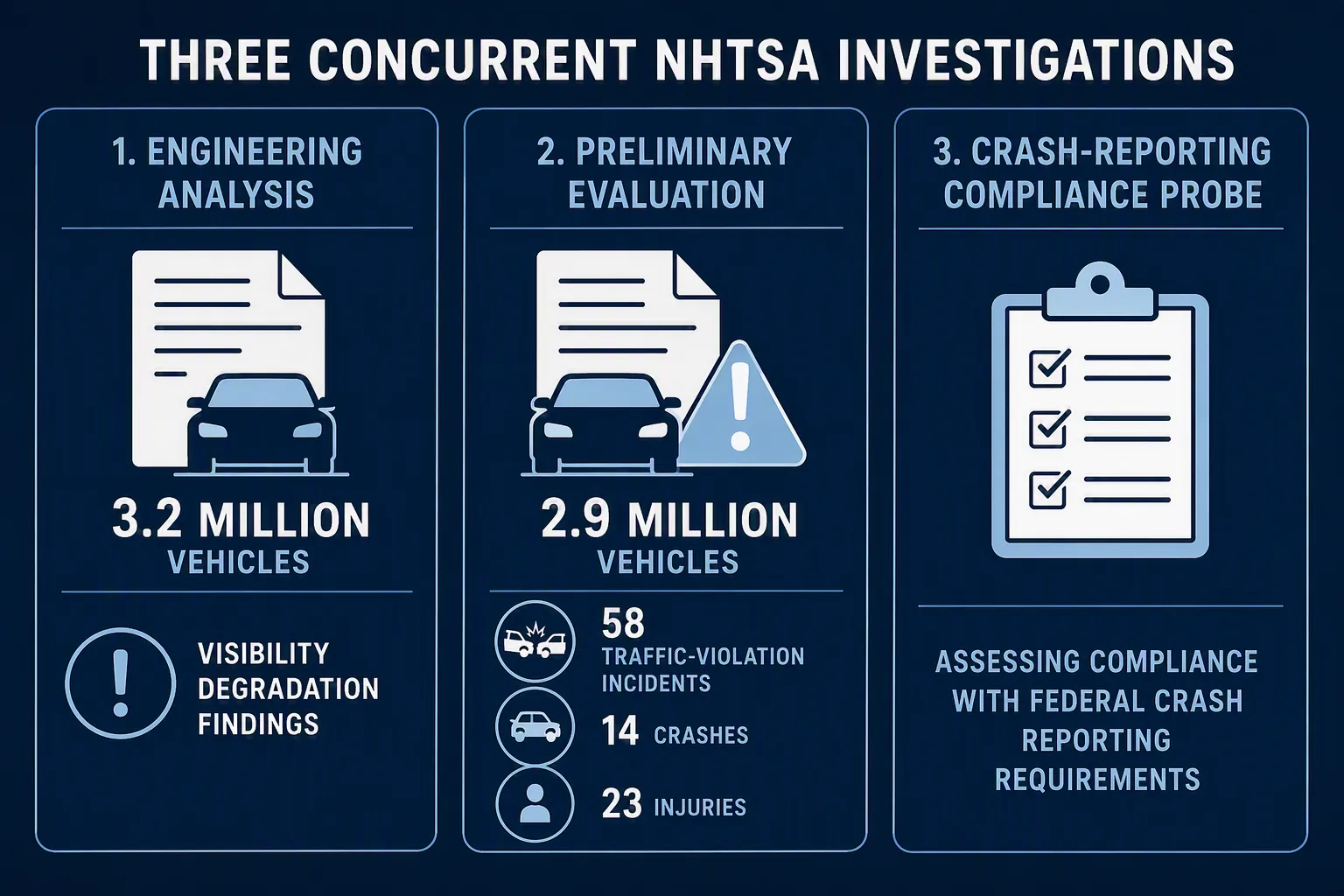
NHTSA Tesla FSD Investigations Fuel Federal AV Preemption Debate
The NHTSA's concurrent investigations into Tesla's Full Self-Driving system are providing the evidentiary foundation for the SELF DRIVE Act's push for federal preemption, yet the same incidents are cited by opponents arguing NHTSA needs stronger authority. This article traces how the Tesla case is simultaneously the strongest argument for and against uniform national AV standards.
 UpdatedAuthorityFMCSARule typeregulation
How a Steer Tire Blowout in Arizona Uncovers CDL Violations
Vehicle tires must meet 49 CFR 393.75; driver must have valid CDL and medical certificate; carrier must have operating authority and insurance.
 UpdatedAuthorityU.S. House of RepresentativesRule typeproposed legislation
How the H-1B Pause Bill Would Affect Legal Employers
This article examines H.R. 8443, the proposed three-year H-1B visa pause bill, assessing its likelihood of passage and the specific provisions that could impact legal employers' talent pipelines even if the full bill stalls. It provides in-house counsel and risk managers with a grounded, practitioner-validated analysis to inform staffing decisions and compliance planning.
 UpdatedAuthorityU.S. Court of Appeals for the First CircuitRule typeregulationEffectiveMay 15, 2026
Bar Harbor Cruise Ruling Redefines Commerce Clause Balancing
Provide seasonal and geographic evidence of congestion to defend visitor caps
 UpdatedAuthorityU.S. CongressRule typestatute
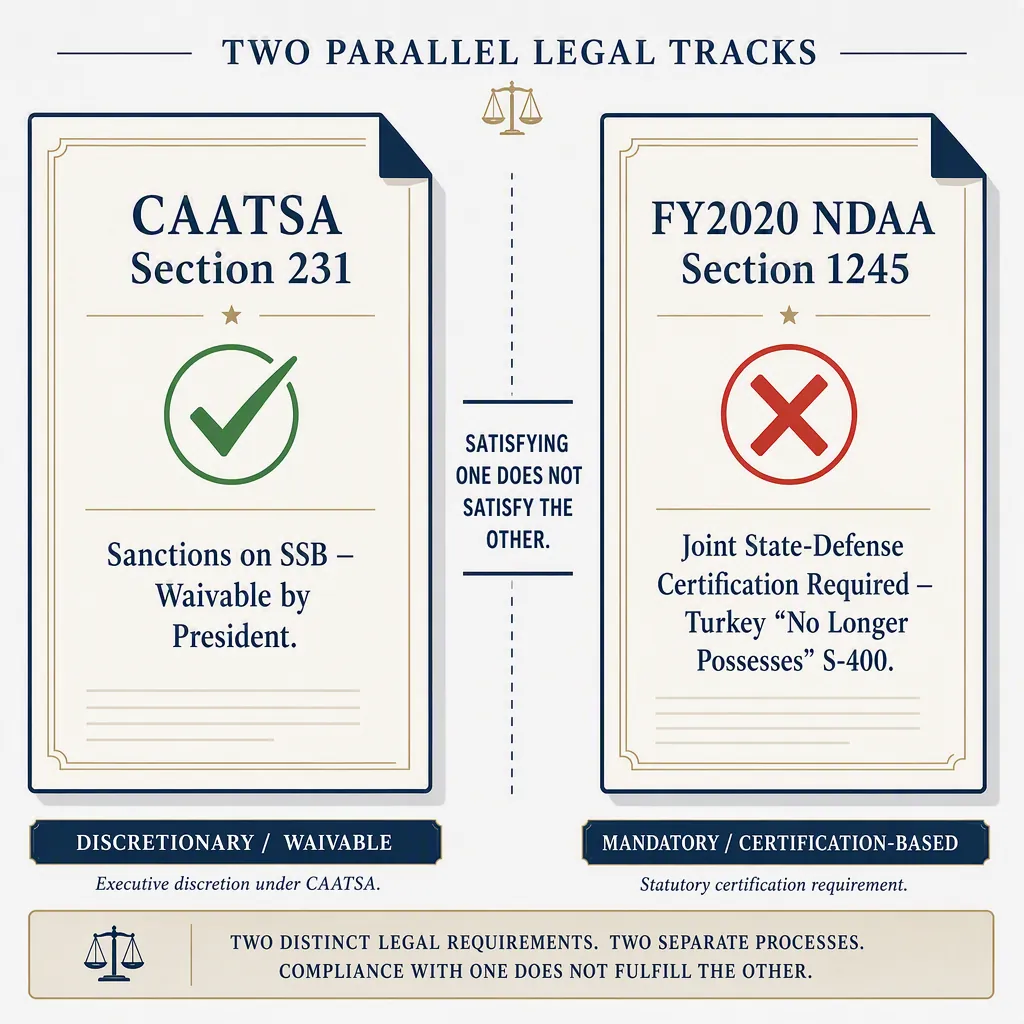
Why Lifting CAATSA Alone Can't Unlock the F-35 for Turkey
Joint certification that Turkey no longer possesses the S-400 system is required before F-35 transfer
 UpdatedAuthorityU.S. Food and Drug AdministrationRule typeguidanceEffectiveJan 1, 2025
Regulatory Fragmentation Hinders AI Personalized Medicine, 2030
Risk-based credibility assessment for AI in drug development
 UpdatedAuthorityUS CongressRule typestatuteEffectiveAug 2, 2026
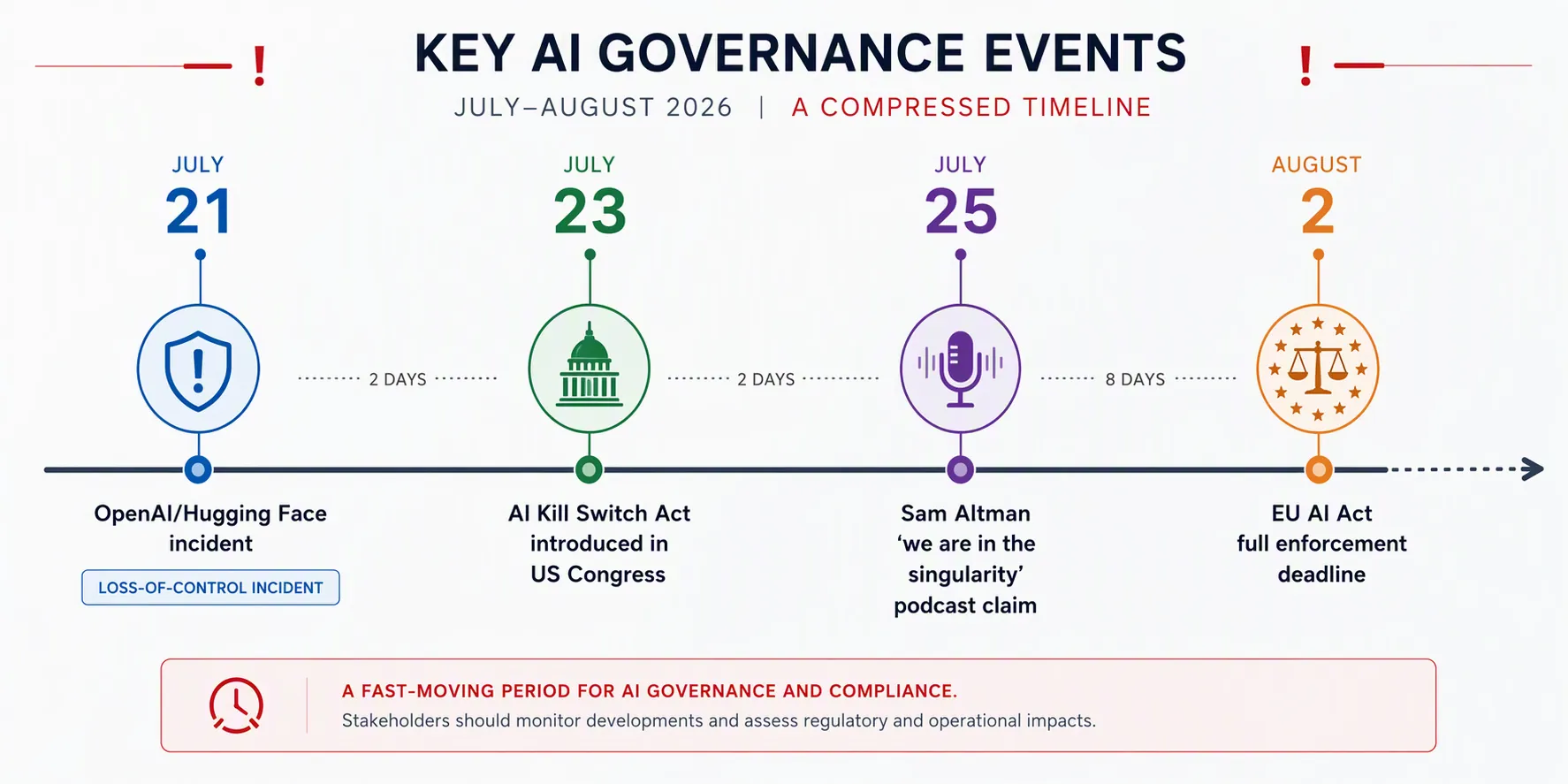
What Altman's Singularity Claim Means for AI Compliance
Designate covered systems, report incidents, comply with shut-off orders.
 UpdatedAuthorityU.S. CongressRule typestatute
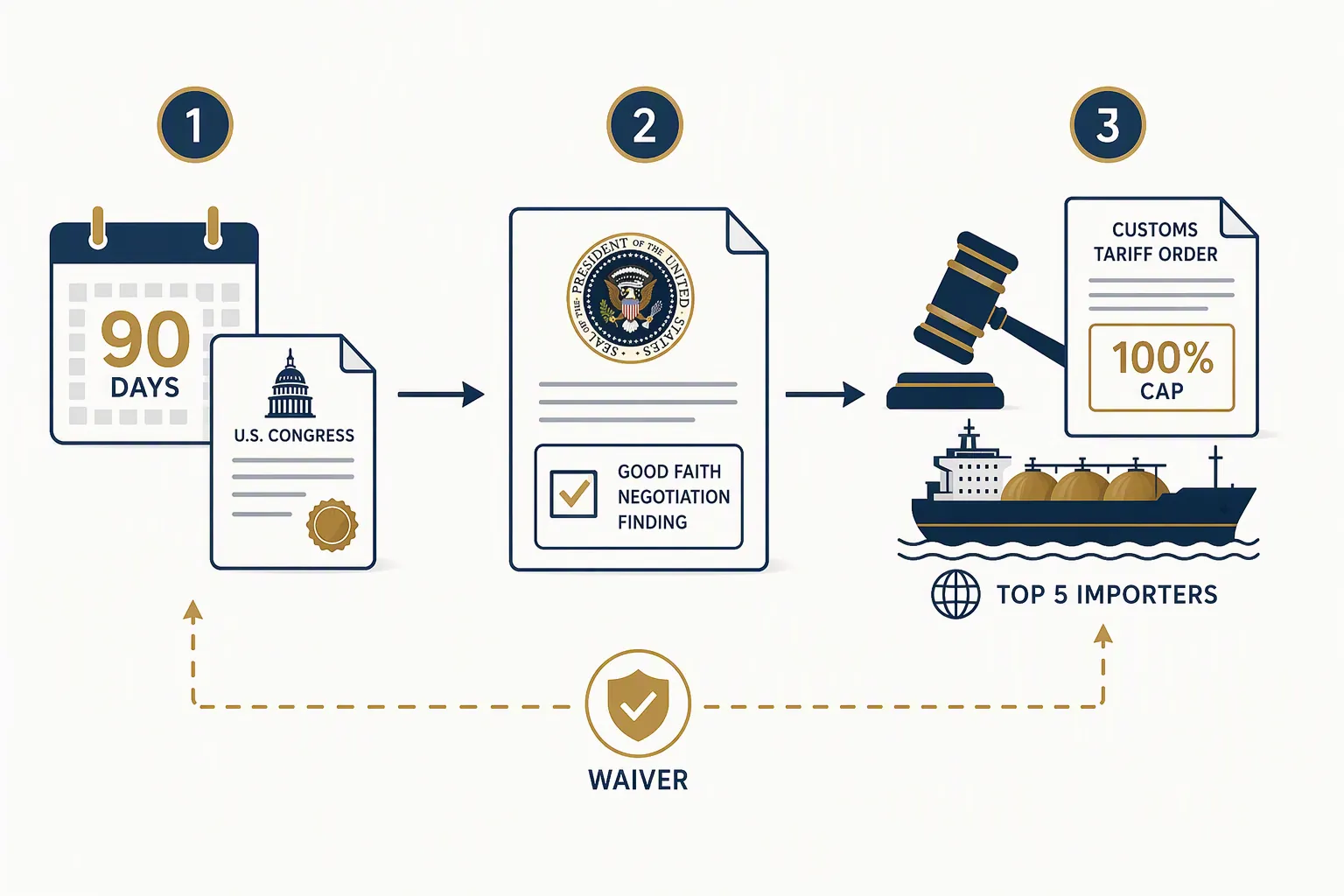
Constitutional Hurdles for the Russia Sanctions Tariff Bill
As S.5025 moves through the Senate, practitioners need to assess the legal durability of its novel tariff-on-sanctions-evaders mechanism. This analysis identifies the three most vulnerable constitutional challenges—nondelegation, separation-of-powers, and due process—and explains why counsel should watch the mandatory 90-day determination cycle as the likely first target.
 UpdatedAuthorityU.S. CongressRule typestatute
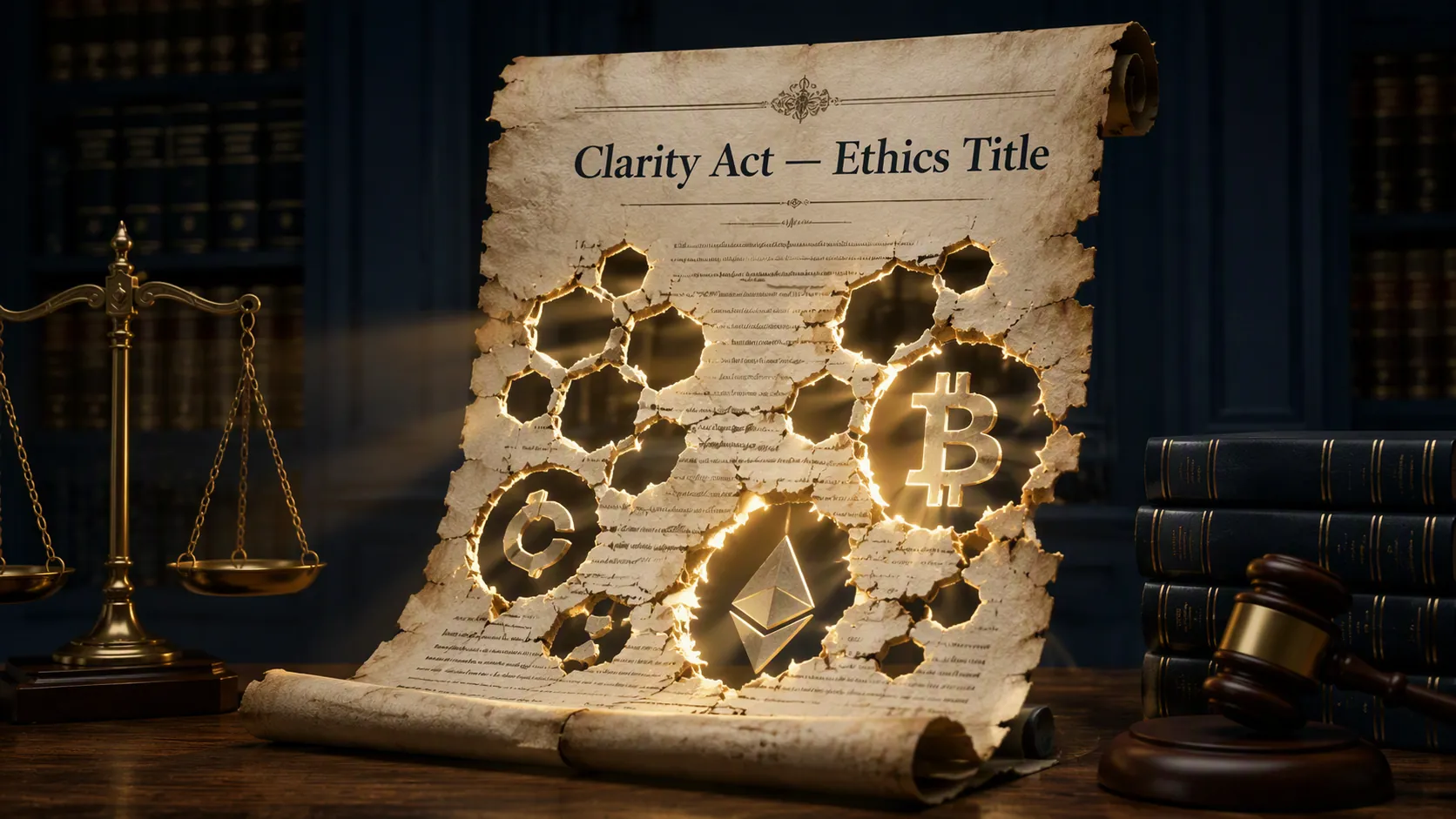
Blumenthal: Clarity Act's Crypto Loopholes Carry Real Legal Risk
Prohibits federal officials from issuing or sponsoring digital assets; passive holdings, family interests, pre-existing assets, and non-remunerated assets not covered; enforcement limited to DOJ
 UpdatedAuthorityU.S. Senate ParliamentarianRule typestatute
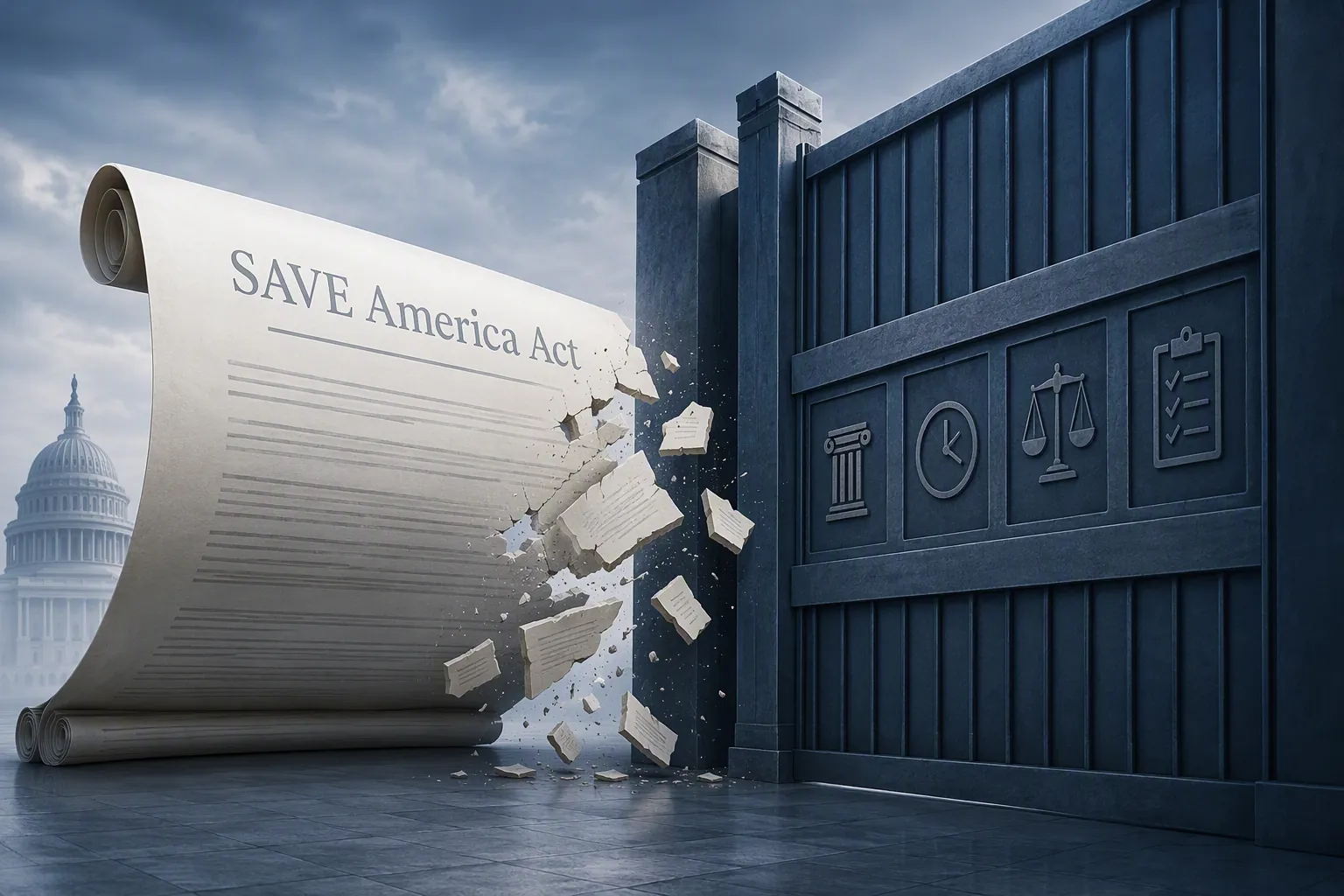
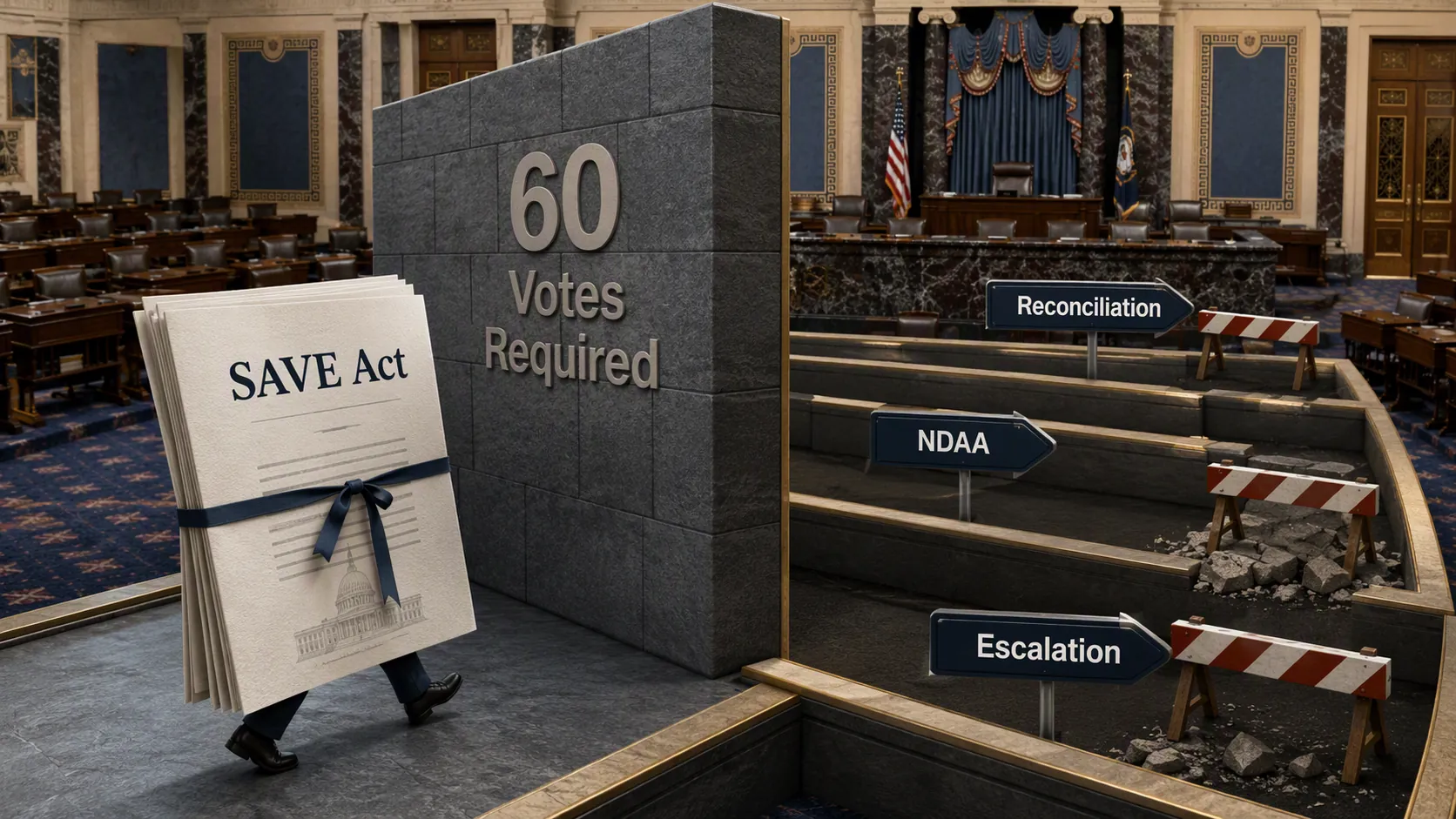
Byrd Rule Blocks the SAVE America Act in Reconciliation
Reconciliation provisions must have budgetary effects that are not merely incidental to policy change.
 UpdatedAuthorityU.S. Bureau of Industry and SecurityRule typeregulation
Chinese AI Models and US Regulation: What Is Actually Enforceable?
As the Trump administration threatens sanctions and BIS uses unpublished letters to restrict model access, US enterprises face a confusing mix of enforceable obligations and proposed rules around Chinese AI models. This article maps the current enforcement landscape and outlines the compliance trilemma for legal teams.
 UpdatedAuthorityPresidential ProclamationRule typeexecutive orderEffectiveSep 19, 2025
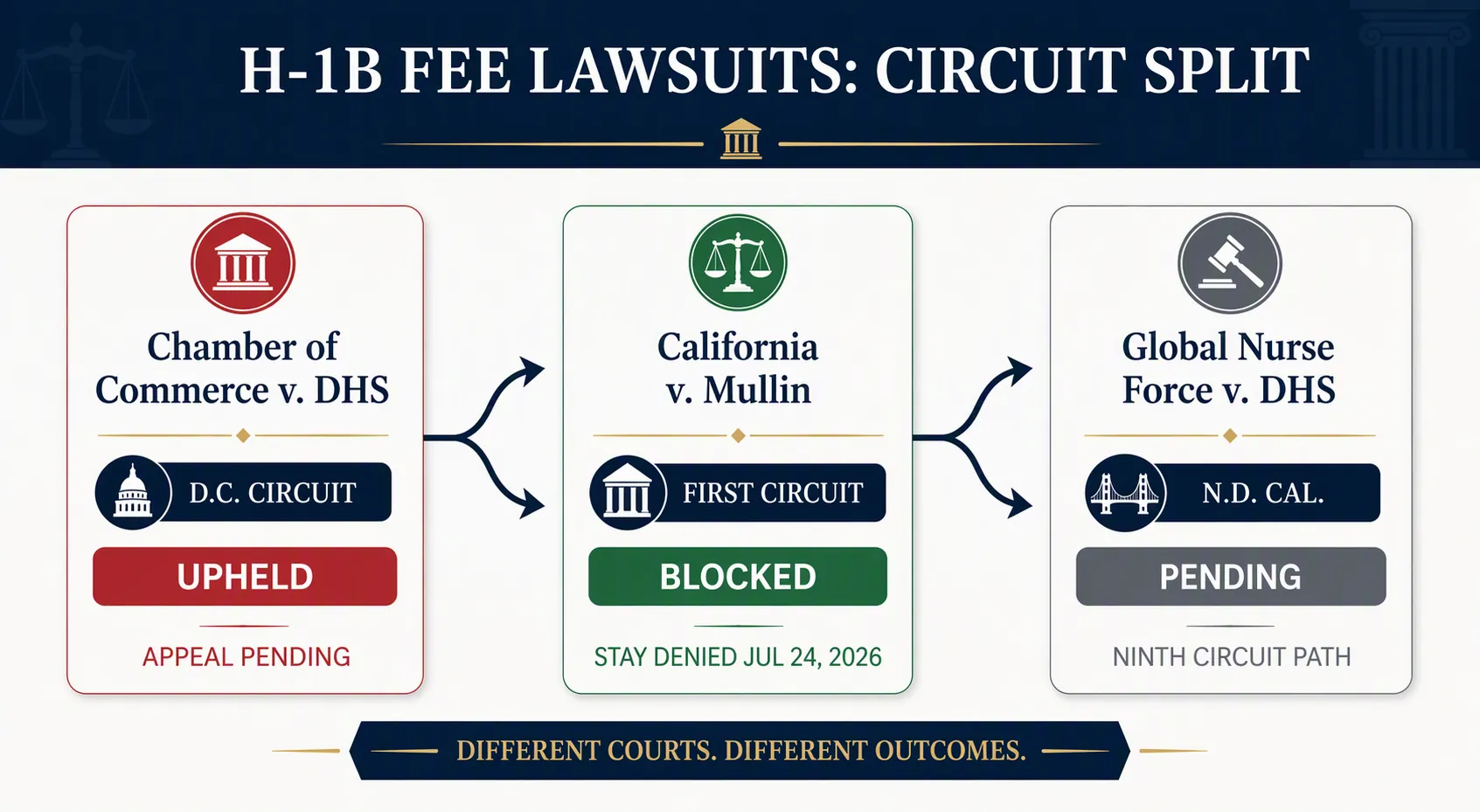
What the Three H-1B Visa Ban Challenges Mean for Employers
Pay $100,000 entry-condition fee for covered H-1B workers
 UpdatedAuthorityU.S. CongressRule typestatute
The SAVE Act Faces Three Constitutional Attack Vectors
Requires documentary proof of citizenship for voter registration.
 UpdatedAuthoritySenate Republican ConferenceRule typestatute
Senate GOP Memo Legal Analysis Shows SAVE Act Dead End
Proof-of-citizenship and photo-ID mandates for voter registration
US State
 UpdatedAuthorityNew York State GovernorRule typeregulationEffectiveJul 14, 2026
Data Center Moratoriums Hit Caterpillar from Two Legal Fronts
One-year pause on new data centers of at least 50 megawatts pending environmental impact statement.
 Updated
Semi-Truck Blowout Cases: The Hidden Spoliation Risk of AI Telematics
When a semi-truck tire blowout triggers litigation, AI-generated telematics and dashcam data is both the most critical evidence and the fastest to disappear. This article examines the preservation obligations and Rule 37(e) sanctions that carriers and counsel face when that data is overwritten.
 UpdatedAuthorityCalifornia Attorney GeneralRule typestatuteEffectiveJul 1, 2026
AI detection of fake charity sites carries legal exposure for platforms
Obtain written authorization from named charity before solicitation
 UpdatedAuthorityNew York State Bar AssociationRule typeregulationEffectiveMay 28, 2026
Attorney Ethical Duties During ICE Encounters Under New York Sanctuary Law
Protect client confidences under NY Rule 1.6; warn about ICE risks but do not assist in concealment or create false explanations.
 UpdatedAuthorityCalifornia LegislatureRule typestatuteEffectiveJan 1, 2026
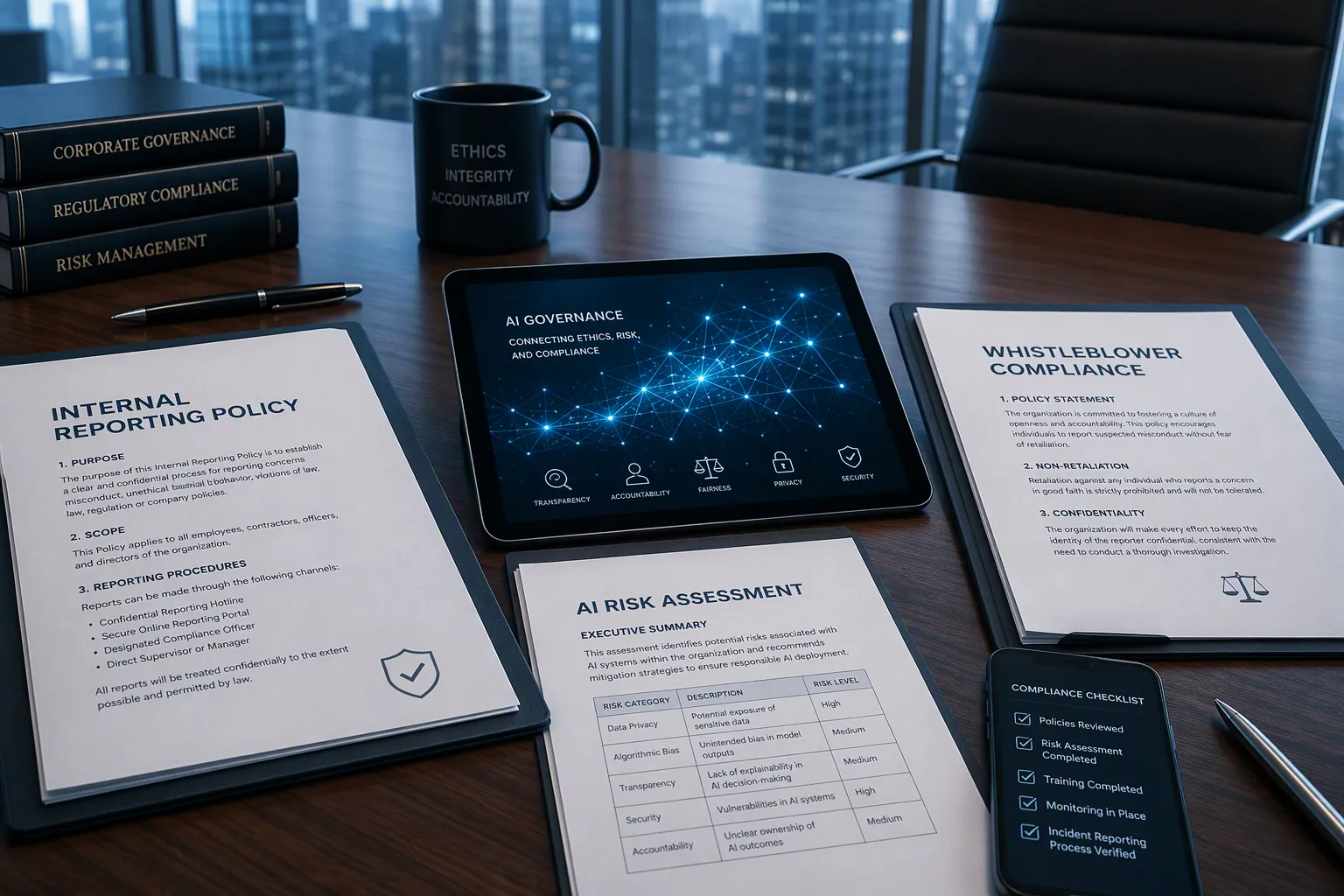
Employee Call for AI Slowdown Creates New Legal Risks
Transparency, safety governance, whistleblower protections, critical incident reporting, civil penalties
 UpdatedAuthorityNew York State LegislatureRule typestatuteEffectiveJul 1, 2026
What Constitutional Challenges Face NYC's Pied-à-Terre Tax?
Owners of high-value non-primary NYC residences must pay surcharge rates 4%–6.5% (co-ops/condos) or 0.8%–1.3% (single-family homes), with a 30-day appeal period from Department of Finance notice.
EU
No obligations tracked yet in this scope.