
Obligations tracker
Regulation
An obligations tracker organized by issuing authority and jurisdiction: US federal and state court standing orders, state bar ethics opinions, ABA guidance, and EU AI Act provisions relevant to legal-service AI use. Each entry pairs the primary rule text with a plain-language summary and an effective date, kept strictly separated by jurisdiction scope so US court/bar rules are never conflated with EU AI Act obligations. Serves the task of determining what is mandatory where a practitioner practices. Excludes case outcomes (Risk Digest) and procedural how-to steps (Workflows); this group answers 'what rule applies,' not 'what happened' or 'what do I do.'
US Federal
 UpdatedAuthoritySam AltmanRule typepolicy proposal
Sam Altman's 'Gentle Singularity' Changes AI Regulation—Here's How
Sam Altman's 'gentle singularity' narrative reframes AI risk from catastrophic to manageable, but its proposed enforcement mechanisms face a structural verification gap. Legal professionals evaluating AI governance proposals need to distinguish between real oversight and industry-crafted cover.
 UpdatedAuthorityU.S. SenateRule typeregulation
How Sam Altman Changed His Tune on AI Extinction and Regulation
Sam Altman's 2023 demand for mandatory AI licensing has given way to calls for voluntary international forums and a 'gentle singularity' narrative. This analysis tracks the structural changes behind that rhetorical shift and assesses whether CEO safety statements can be relied upon in rulemaking.
 UpdatedAuthorityU.S. Food and Drug AdministrationRule typeregulationEffectiveJan 1, 2025
Legal Risks for 503A Pharmacies from the FDA's Peptide List
Verify bulk substance category, avoid copy restrictions, limit anticipatory compounding, audit marketing claims, and review API sourcing.
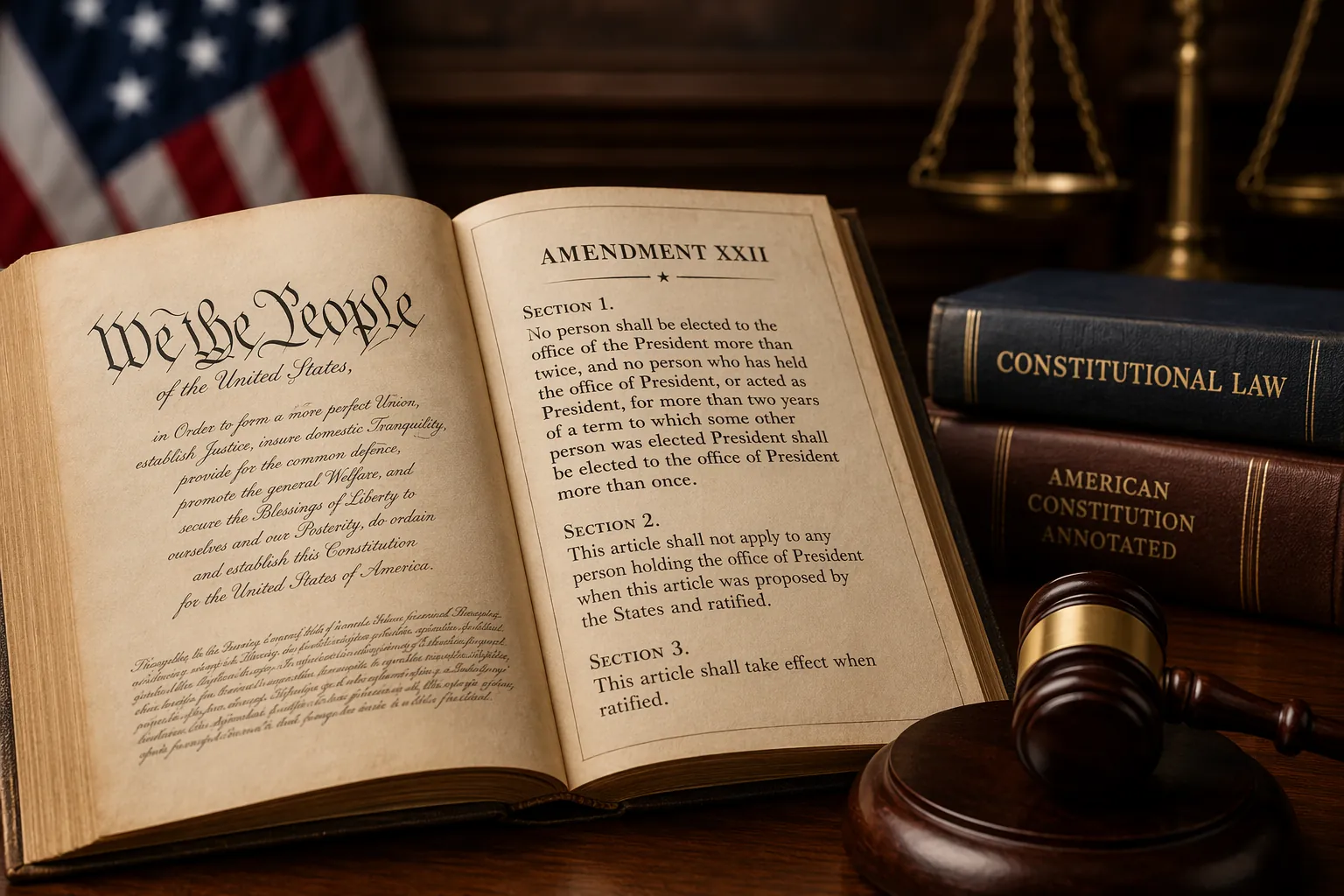 UpdatedAuthorityUnited States CongressRule typestatute
What Are the Constitutional Theories for a Third Trump Term?
A twice-elected president cannot be directly elected again under current constitutional text.
 UpdatedAuthorityU.S. Department of DefenseRule typeregulationEffectiveJan 9, 2026
The Legal Risks Behind Oracle's Pentagon AI Software Contract
DoD AI contracts must include 'any lawful use' clause prohibiting vendor restrictions on lawful military use
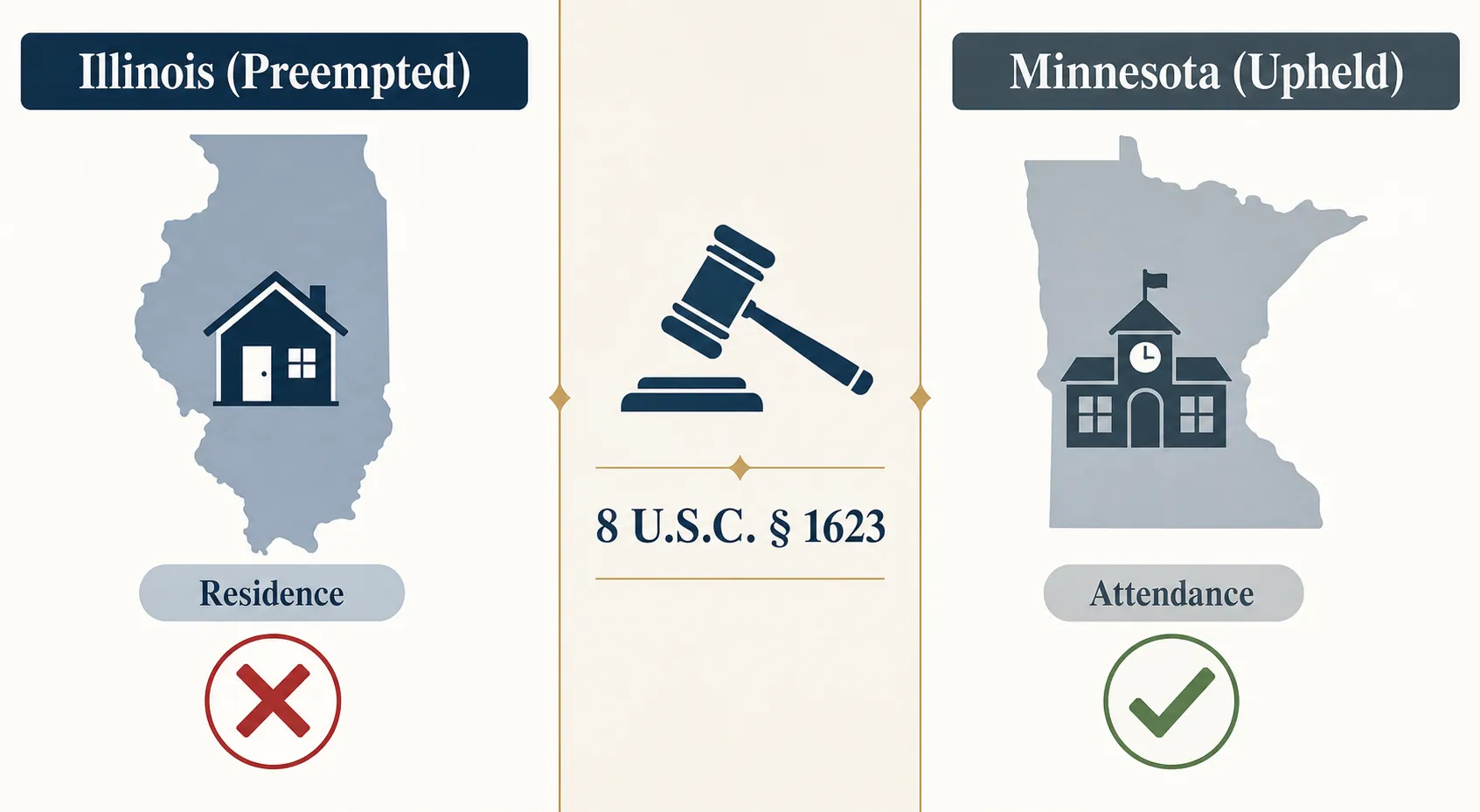 UpdatedAuthorityU.S. District Court for the Southern District of IllinoisRule typecourt orderEffectiveJul 24, 2026
Illinois DREAM Act ruling creates Supreme Court circuit split
Extend residence-based tuition benefits to all U.S. citizens or deny them to undocumented students
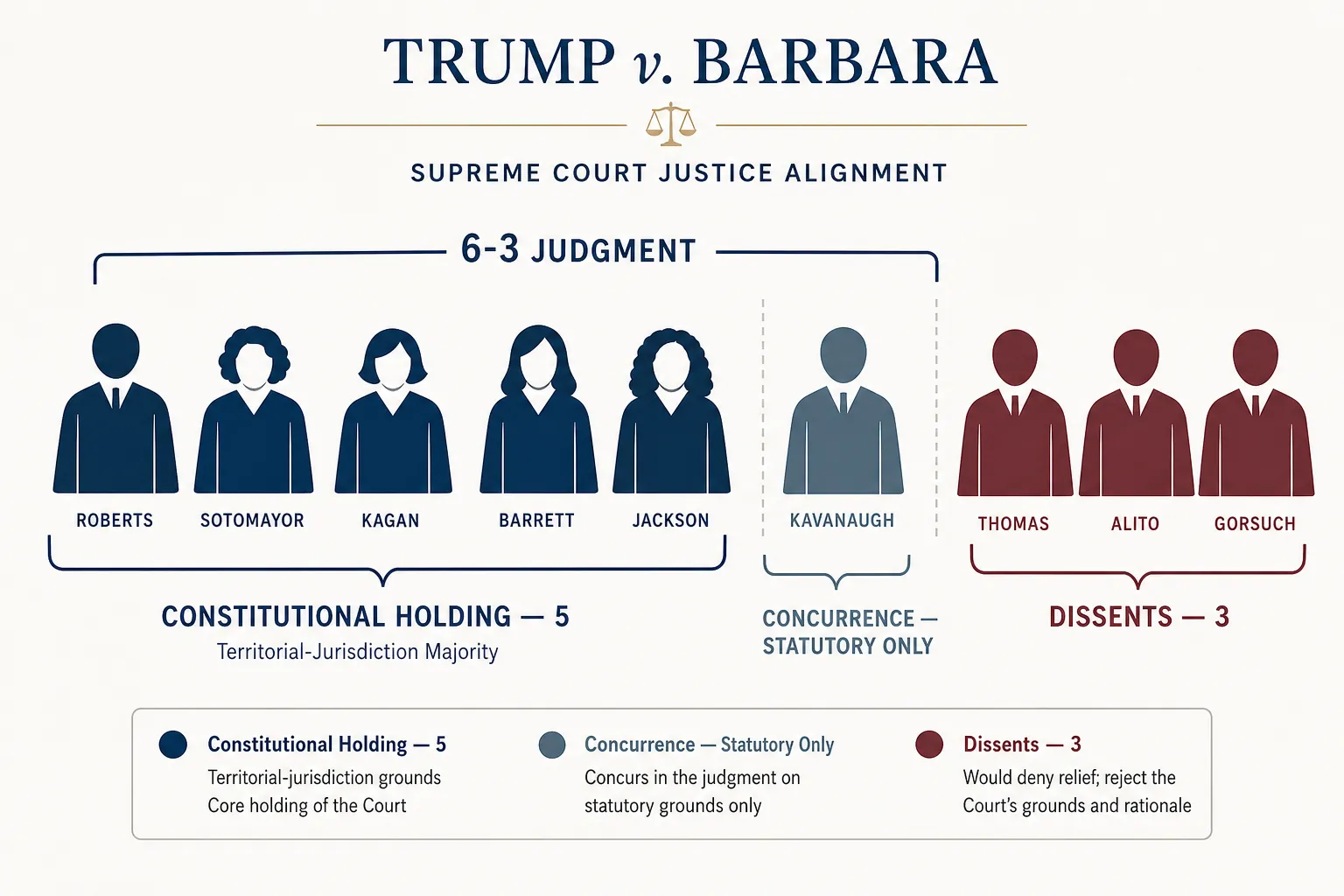 UpdatedAuthorityU.S. Supreme CourtRule typeSupreme Court opinionEffectiveJun 30, 2026
How the Supreme Court split on birthright citizenship in Trump v. Barbara
Fourteenth Amendment protects birthright citizenship for persons born in U.S. territory under territorial jurisdiction
 UpdatedAuthorityU.S. Department of Homeland SecurityRule typeregulation
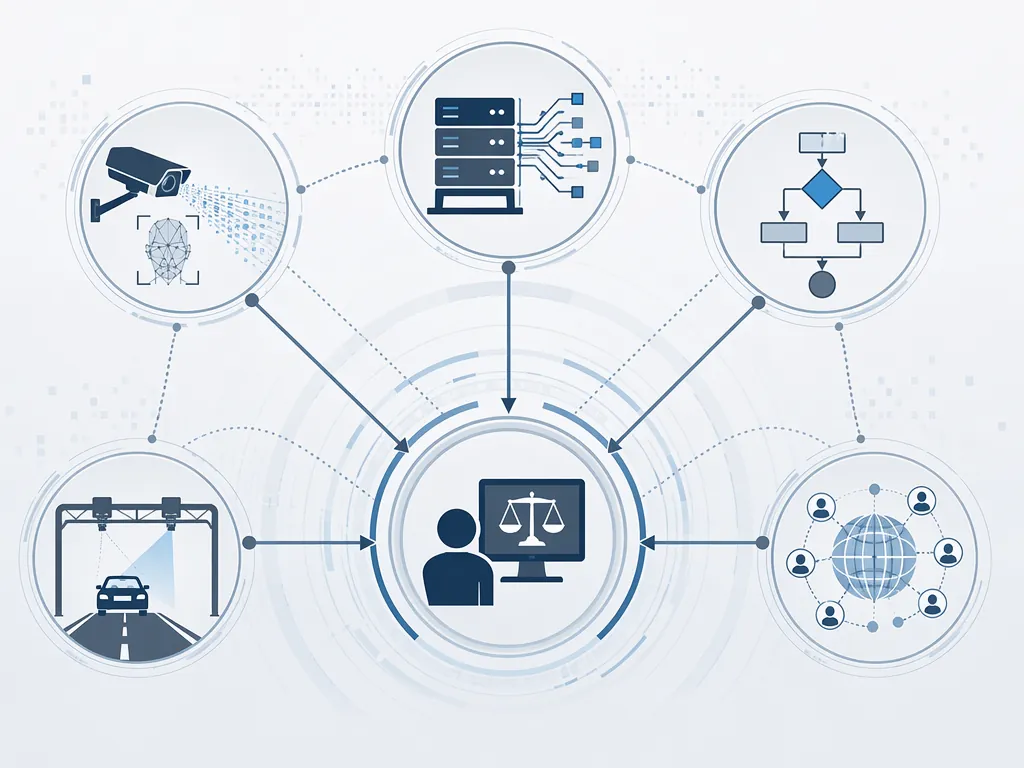
ICE AI Surveillance Targeting Haitian TPS Communities
A structured risk registry of every AI-powered surveillance tool ICE is deploying against Haitian TPS holders and other immigrant communities, with active legal challenges, contract details, and sourcing for each tool.
 UpdatedAuthorityU.S. Department of Homeland SecurityRule typeregulation
What 'Deportation-Maxing' Means for Immigration Law
This article explains the legal meaning of 'deportation-maxing' as a convergence of four enforcement authorities, detailing the statutory powers, due-process vulnerabilities, and the resulting litigation surge shaping immigration practice.
 UpdatedAuthoritySupreme Court of the United StatesRule typestatuteEffectiveJun 25, 2026
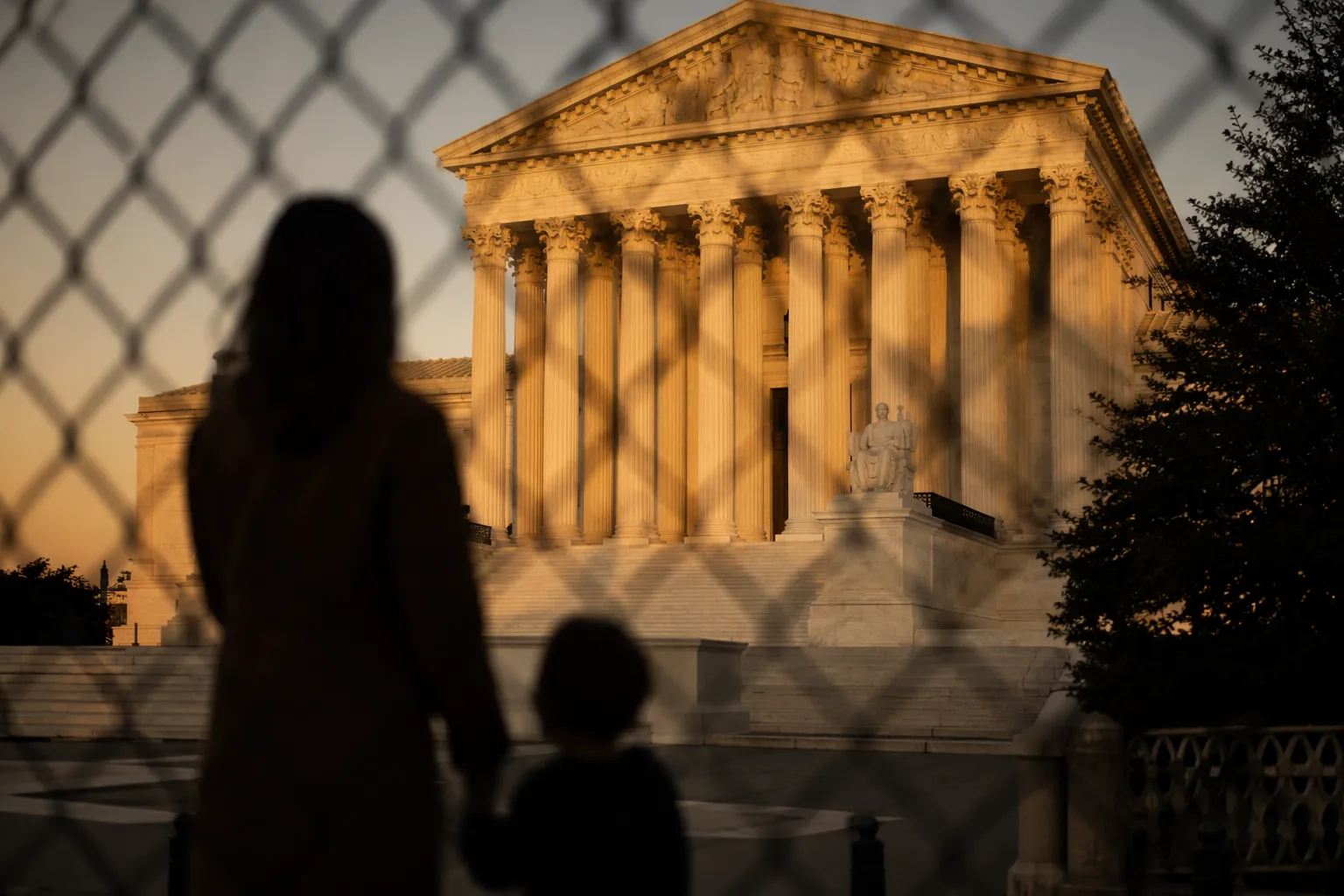
Mullin v. Doe Blocks Judicial Review of Haitian TPS Termination
Only constitutional equal-protection claims are reviewable; non-constitutional TPS termination challenges are barred.
 UpdatedAuthorityU.S. Department of Justice Antitrust DivisionRule typestatute
NVIDIA's $100B OpenAI deal raises antitrust foreclosure concerns
NVIDIA's $100 billion investment in OpenAI, structured as an exclusive GPU supplier arrangement, creates a credible vertical foreclosure risk under Sherman Act Section 2. This article maps the antitrust exposure, enforcement signals from the DOJ, and the litigation landscape counsel should monitor through mid-2026.
 UpdatedAuthorityUS federal and state courtsRule typejudicial decisionsEffectiveJan 1, 2026
Sam Altman said ChatGPT has no legal privilege—courts agree
Assume ChatGPT prompts and logs are not privileged; implement protective orders and enterprise AI governance.
 UpdatedAuthorityU.S. Court of Appeals for the 1st CircuitRule typecourt rulingEffectiveJul 25, 2026
First Circuit's Constitutional Holding on Trump Mail Voting Order
Blocked enforcement of executive order's DHS voter list, USPS mail ballot restrictions, and DOJ prosecution directive against state officials.
 UpdatedAuthorityU.S. District Court for the Western District of TexasRule typeregulationEffectiveJan 20, 2025
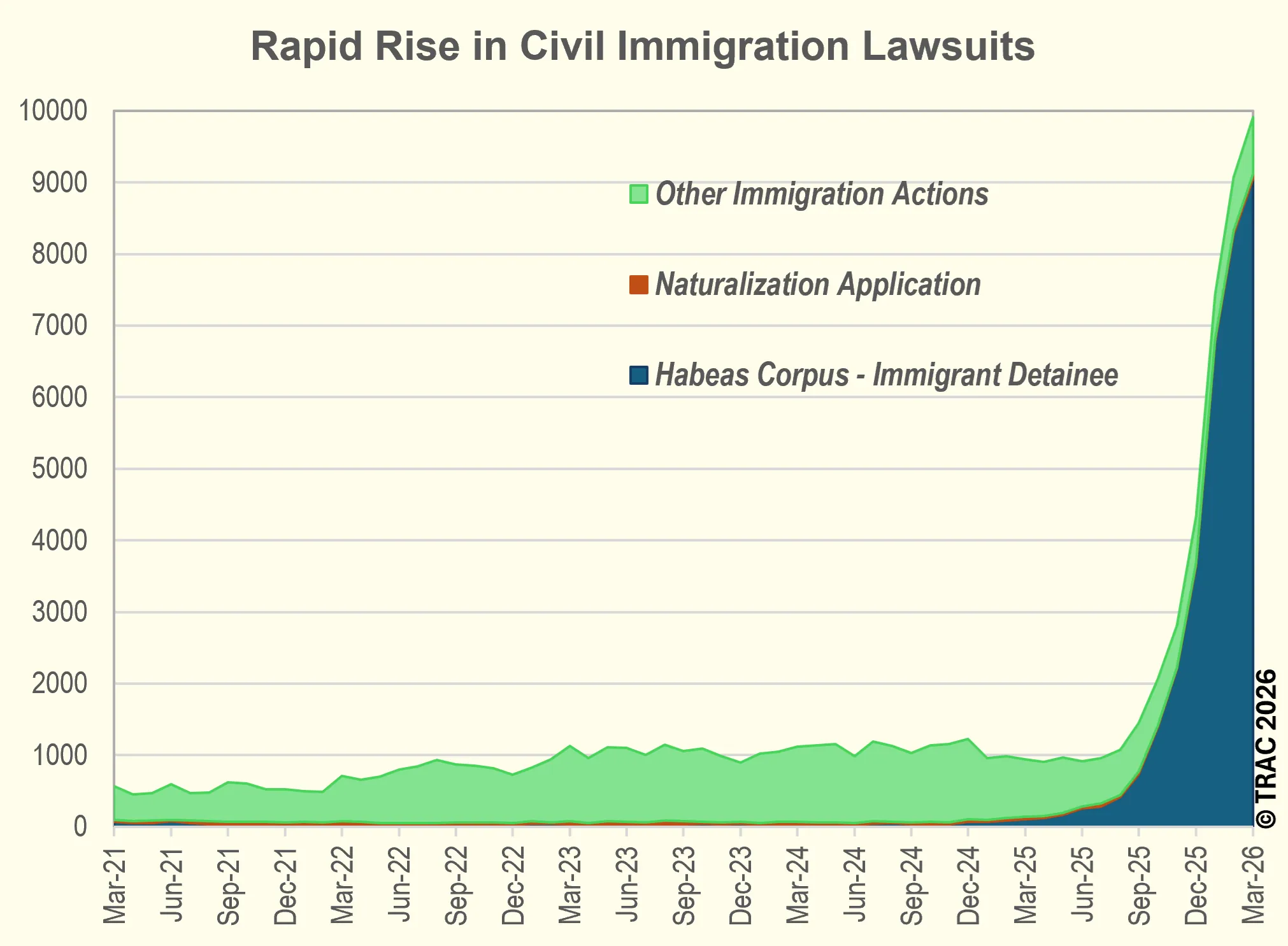
Trump Immigration Policy Reversal Overwhelms Federal Courts
Monitor docket capacity and procedural volatility in high-volume immigration habeas districts; verify venue, custody facts, and appellate posture before filing.
 UpdatedAuthoritySocial Security Administration (SSA)Rule typeregulationEffectiveJan 1, 2027
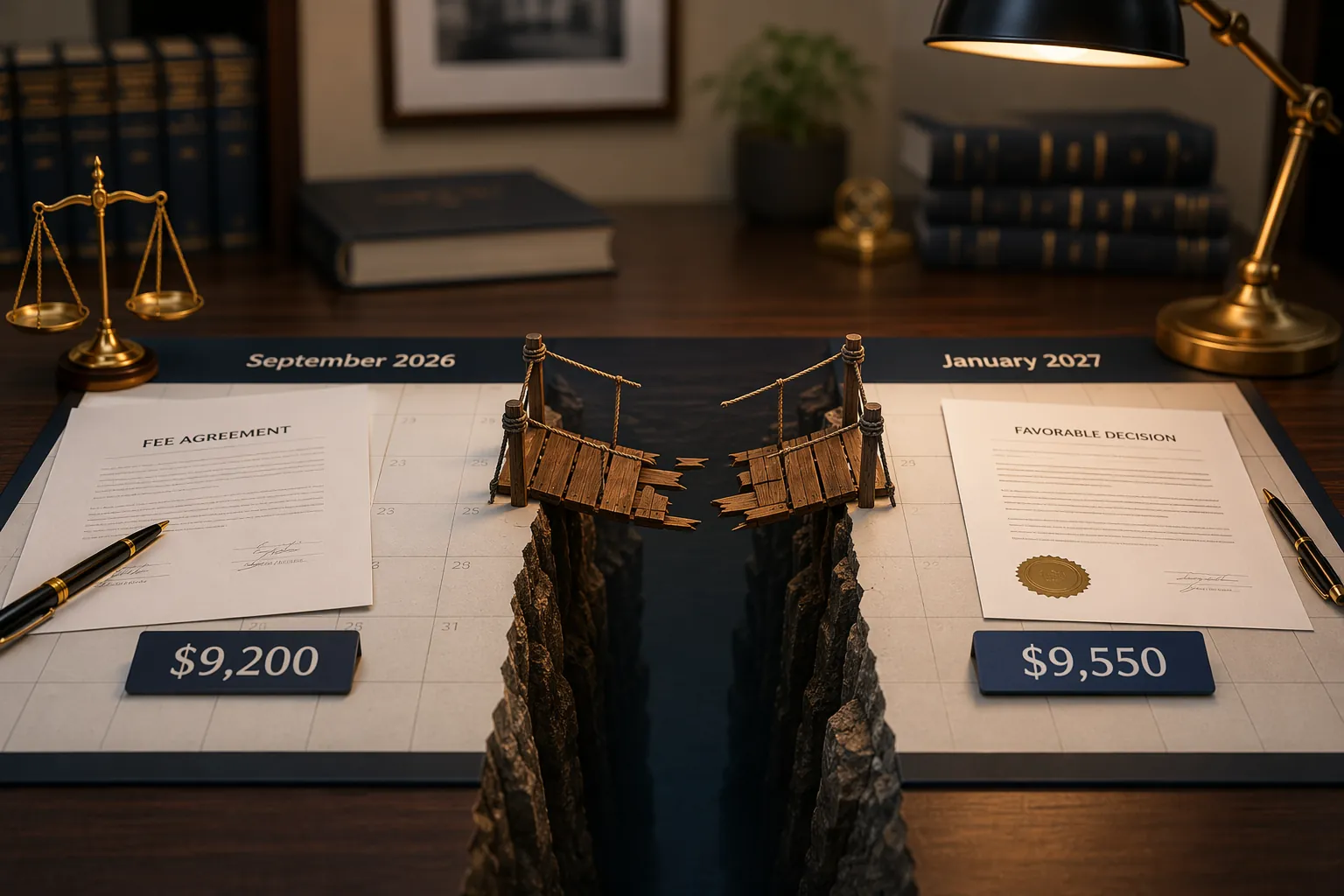
What the 2027 COLA Increase Means for Attorney Fee Caps
Fee agreements must reference the SSA-approved dollar cap applicable on the date of favorable decision, not an estimated future cap.
US State
 UpdatedAuthorityFlorida LegislatureRule typestatuteEffectiveMay 7, 2026
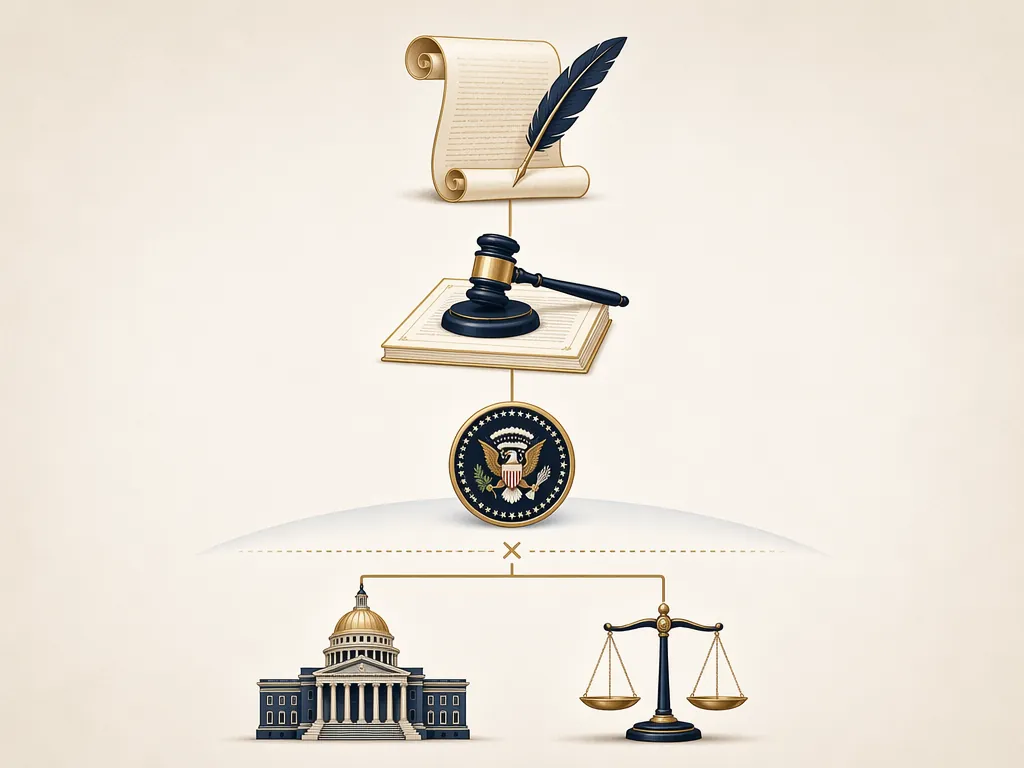
Ron DeSantis Says an Executive Order Cannot Preempt State AI Laws
Data-center ratepayer protections
 UpdatedAuthorityCalifornia Secretary of StateRule typeregulation
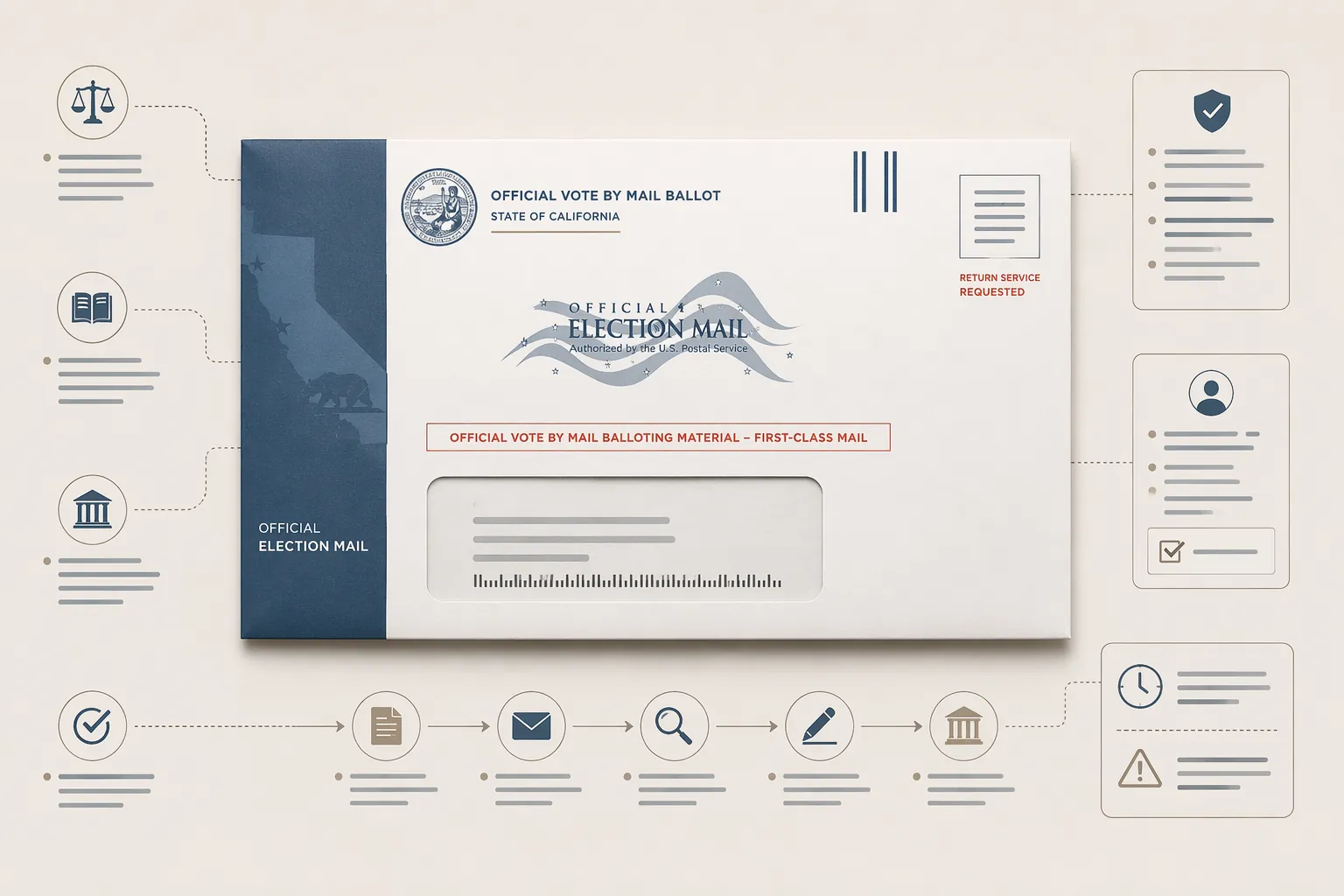
California Mail Ballot Rejection: Legal Rules and Cure Procedures
Cure signature defects within 24-hour notice and postage-paid return; verify late arrival evidence under Elections Code § 3020.
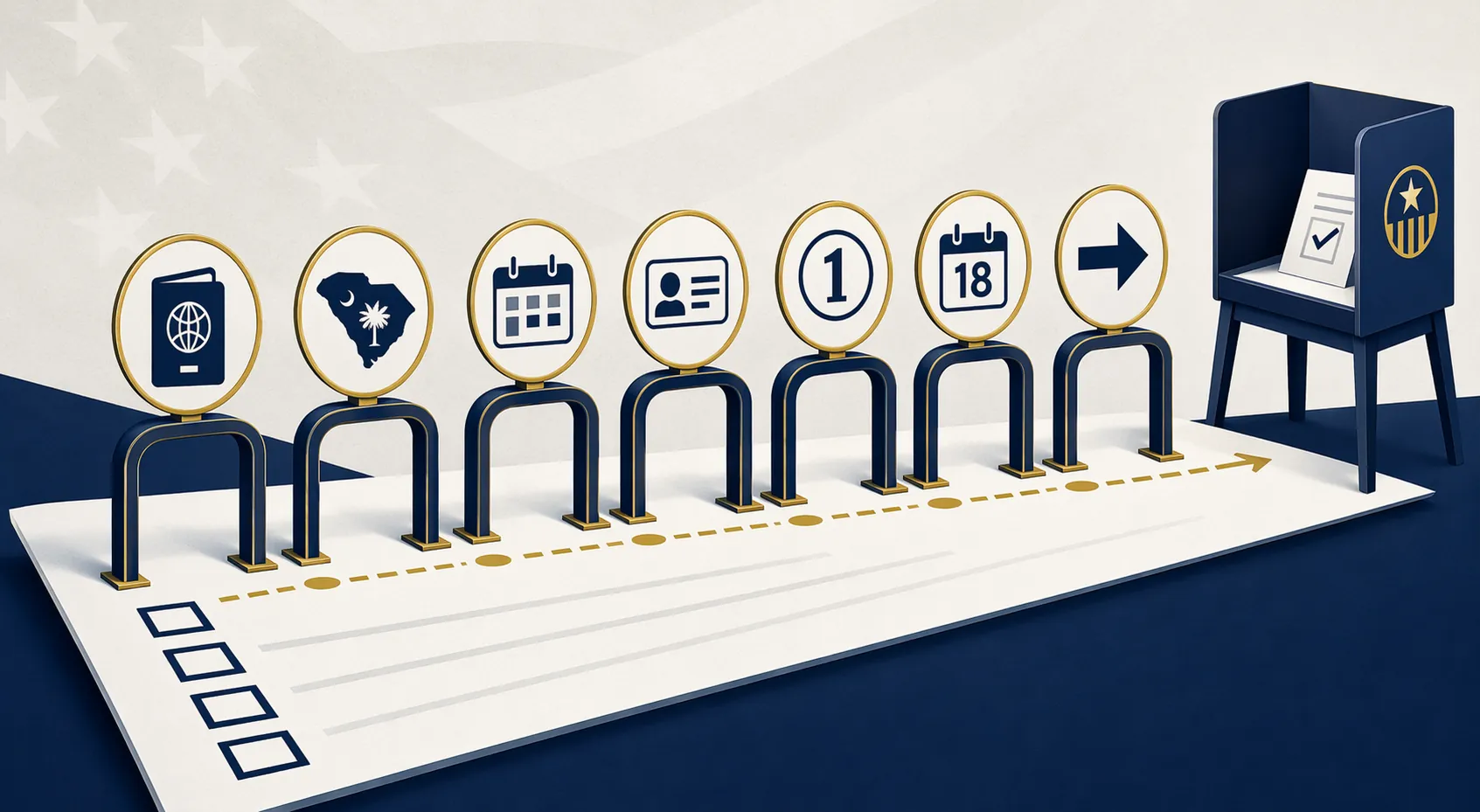 UpdatedAuthoritySouth Carolina Election CommissionRule typeregulation
What Are South Carolina's Primary Ballot Eligibility Requirements?
Voter must meet six conditions: general qualification, 30-day registration, photo ID, vote only one primary, no runoff crossover, and 17-year-old rule.
EU
 UpdatedAuthorityEFRAGRule typeregulationEffectiveJul 23, 2026
What the N-ESRS Exposure Draft Means for Foreign Companies
Non-EU parent companies meeting €450M EU turnover and qualifying EU presence must report sustainability impacts per N-ESRS draft.
 UpdatedAuthorityEuropean UnionRule typeregulation
Can Satya Nadella's Open-Weight Coalition Fix the AI Liability Gap?
This article examines whether the July 2026 coalition letter led by Satya Nadella provides a workable legal framework for open-weight AI liability, or if it leaves a governance gap that existing regulation cannot close, analyzing the letter's arguments against EU and US state laws and the governance inversion problem.