
Flagship tracker
Risk Digest
The flagship, near-daily updated database of documented AI hallucination and sanction incidents in legal proceedings worldwide. Each entry is a structured record, not a news article: jurisdiction, court, judge (if named), the AI tool implicated, penalty amount, ruling date, a confirmed-vs-reported status flag, and a link to the primary court order. Serves the 'check risk' and 'track regulation' tasks: a lawyer, risk manager, or journalist scanning for new sanctions, a specific jurisdiction, or a specific tool. Excludes narrative commentary, procedural how-to guidance (belongs in Workflows), and rule text summaries (belongs in Regulation). This group is the site's differentiation engine: freshness and per-record sourcing are the moat, so every record must carry a last-verified timestamp distinct from the ruling date.
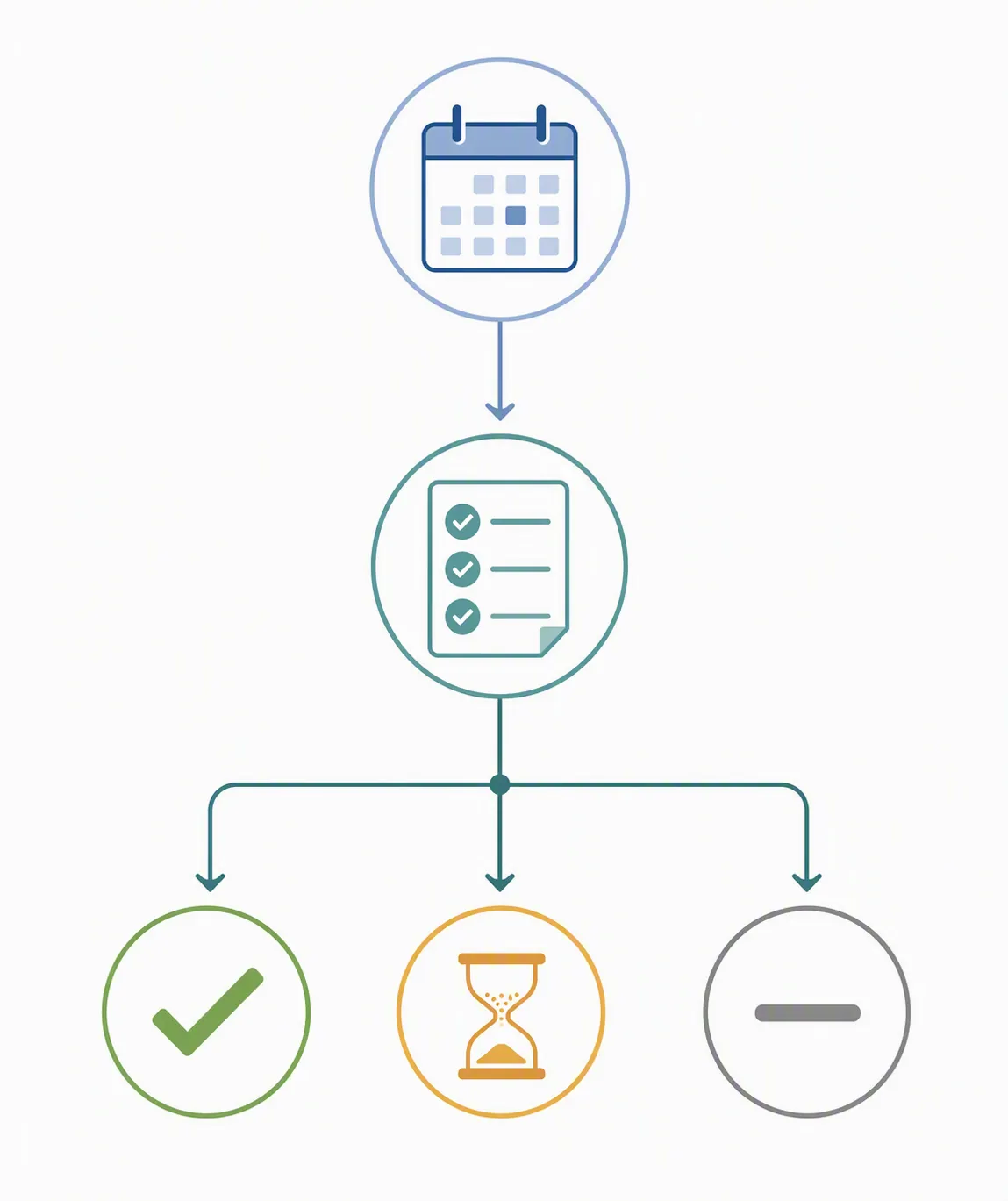
Confirmed
A court order or docket entry has been independently verified.
Reported — unverified
Still pending independent verification against a primary source.
Filtered by tag jurisdiction-eu — clear filter
 CONFIRMEDUpdatedJurisdictionUS federal (N.D. Cal.)CourtU.S. District Court for the Northern District of CaliforniaToolNo AI tool namedRuling dateAug 9, 2022
Is your college on the $23 billion settlement list?
Find out whether your for-profit college is on Exhibit C of the Sweet v. McMahon (formerly Sweet v. Cardona) settlement. The lookup covers the roughly 151 schools organized by parent company, schools added or removed, the distinct 2026–2027 relief deadlines, and how to verify eligibility only through official channels.
Last verified
 REPORTED — UNVERIFIEDUpdatedJurisdictionOhio, United StatesCourtCuyahoga County Court of Common PleasToolNo AI tool namedRuling dateJul 29, 2026
Verify Max Miller abuse allegations against docket records
On the Max Miller dockets, the same allegations carry different evidentiary postures across five trackable proceedings, so each status word — unsubstantiated, denied, dropped, pending — must be verified against a specific primary record. This discrepancy-log worked example gives researchers a repeatable method for separating court-confirmed facts from reported allegations in AI-assisted research.
Last verified
 REPORTED/UNVERIFIEDUpdatedJurisdictionOhio, United StatesCourtCuyahoga County Common Pleas Court (related case)ToolNo AI tool namedRuling dateAug 3, 2026
Why the Grisham TRO Against Miller Can't Be Confirmed Yet
A headline is not a court record: as of Aug. 4, 2026, the Grisham TRO against Rep. Max Miller is confirmed only as counsel's Aug. 3 announcement, with no court, case number, or order text located. This record flags the filing as reported and unverified, separates it from the other restraining orders in the Miller–Moreno–Grisham dispute, and links the primary sources for self-verification.
Last verified
 REPORTED/ALLEGEDUpdatedJurisdictionOhio, USCourtCuyahoga County Court of Common PleasToolNoneRuling dateJun 1, 2026
How to Verify the Moreno–Miller Abuse Allegations
A fixed evidence-weighting sequence—court orders, sworn filings, police reports, agency determinations, self-published recordings, press reports—lets counsel separate what is documented, admitted, and unresolved in the Moreno–Miller abuse allegations. The piece also translates status phrases such as "unsubstantiated" and "no charges" so readers can brief partners or clients without adopting either party's narrative.
Last verified
 REPORTED — UNVERIFIEDUpdatedJurisdictionUS FederalCourtDEAToolNoneRuling dateJul 6, 2026
Is 7-OH Kratom Legal After the DEA Schedule I Order?
The DEA's temporary Schedule I order on 7-OH is threshold-based, not a kratom ban, and it had not yet taken effect as of August 4, 2026. This status record separates what becomes federally controlled at publication, what stays legal, and what stricter state bans still require.
Last verified
 CONFIRMEDUpdatedJurisdictionUS federalCourtU.S. Court of Appeals for the D.C. CircuitToolNo AI tool implicatedRuling dateJun 26, 2026
Federal judge upholds EPA air standard — deadlines now bind
Two rulings sit behind the 'federal judge upholds EPA air' headline: the D.C. Circuit denied challenges to the 9 µg/m³ PM2.5 standard, and a Northern District of California judge ordered EPA to complete area designations by Feb. 6, 2027. The record gives the dockets, judges, and the deadline chain now binding EPA, states, and regulated sources.
Last verified
 CONFIRMEDUpdatedJurisdictionUS-Federal (Ninth Circuit)CourtU.S. Court of Appeals for the Ninth CircuitToolNo AI tool namedRuling dateJul 17, 2026
Is the Sweet v. McMahon Class Action Settlement Final?
Source-linked status for the Sweet v. McMahon class action settlement as of August 2026: final approval stands and all adjudication deadlines have passed, but relief delivery extends into mid-2027. Two risk tracks remain open — a material-breach enforcement dispute and a possible Supreme Court petition.
Last verified
 CONFIRMEDUpdatedJurisdictionU.S. federalCourtU.S. District Court for the Northern District of New YorkToolNo AI tool implicatedRuling dateAug 3, 2026
Federal judge lets ICE agents mask up, keeps NY 287(g) ban
What did the federal judge decide about ICE agents wearing masks in New York, and what survives? The August 3 ruling is a split: New York's mask and identification rules are preliminarily blocked as applied to federal officers, while the state's 287(g) local-agreement ban remains in effect and takes full effect on August 25, 2026.
Last verified
 CONFIRMEDUpdatedJurisdictionUS FederalCourtU.S. Court of Appeals for the Ninth CircuitToolNo AI tool implicatedRuling dateJul 17, 2026
Who Qualifies for the Sweet v. McMahon Settlement
The Sweet v. McMahon borrower-defense settlement is closed to new applicants, so only borrowers with an application pending as of June 22, 2022, or filed between June 23 and November 15, 2022, can qualify — with Exhibit C school status deciding whether relief is automatic or decision-based. This guide walks through the two-fact eligibility check, what each cohort is owed, and why paying anyone for 'access' is a scam.
Last verified
 CONFIRMEDUpdatedJurisdictionUS - 7th CircuitCourtU.S. District Court for the Central District of IllinoisToolNoneRuling dateJul 31, 2026
Federal judge denies Illinois voter data request
A verified case record for United States v. Matthews (No. 3:25-cv-03398, C.D. Ill.): Judge Colleen R. Lawless denied the DOJ's motion to compel Illinois' unredacted statewide voter file and dismissed the suit with prejudice on July 31, 2026. The record documents the statutory grounds for the denial, the procedural timeline, and the open Seventh Circuit appeal window.
Last verified
 CONFIRMEDUpdatedJurisdictionUS Federal - S.D.N.Y.CourtUnited States District Court for the Southern District of New YorkToolNoneRuling dateApr 2, 2025
Where the Trump DOJ interference cases stand now
A record-by-record tracker of the Trump DOJ interference cases — the Adams dismissal, the Comey and James indictments, quashed grand-jury subpoenas, and related prosecutions — each linked to the primary court order and flagged confirmed or reported as of August 2026. The documented pattern: most high-profile episodes have failed in court, and several DOJ appeals remain pending.
Last verified
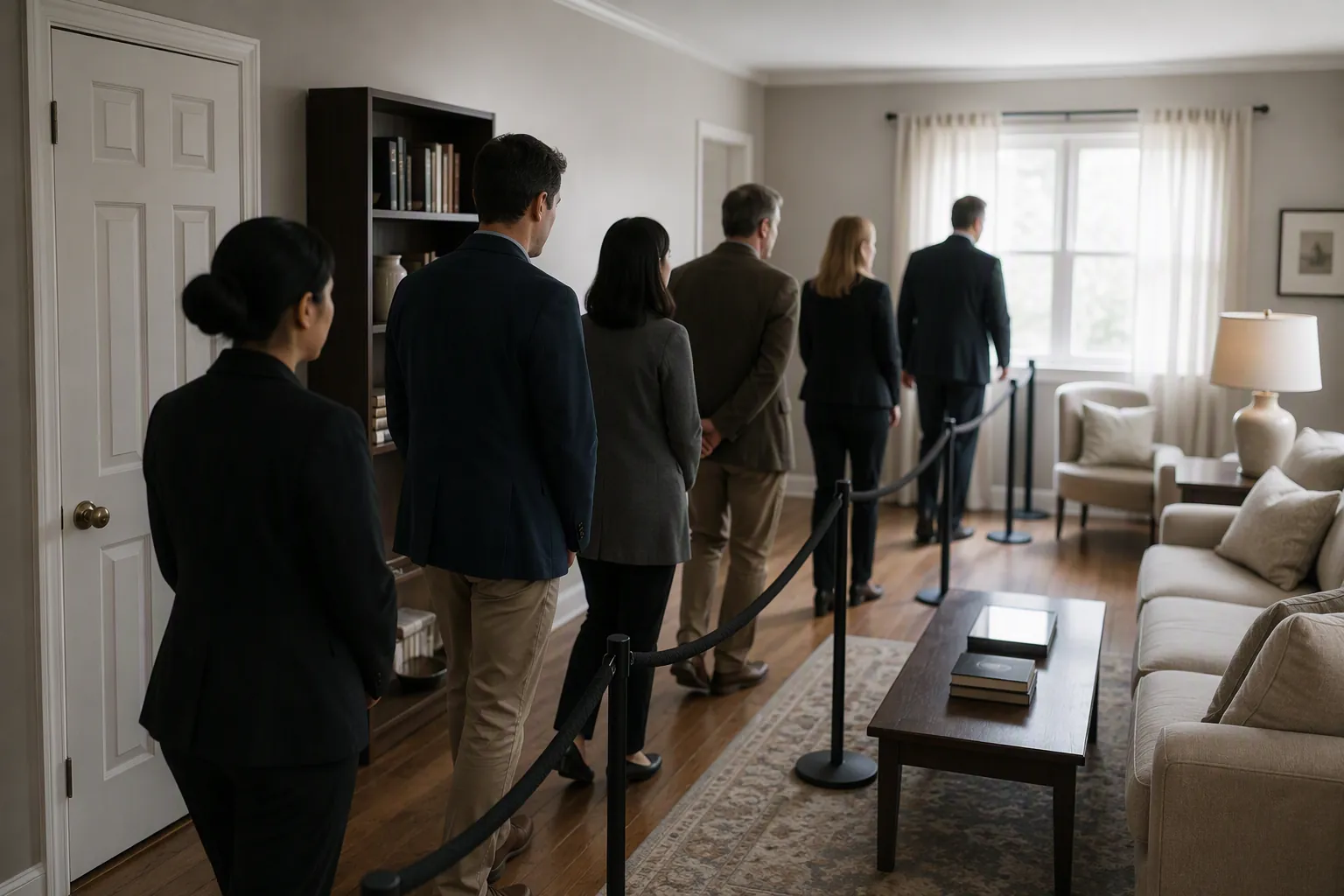 REPORTED — UNVERIFIEDUpdatedJurisdictionMassachusettsCourtPlymouth County Superior CourtToolNo AI tool namedRuling dateJul 31, 2026
What the Clancy Duxbury jury tour reveals about view law
Using the July 31, 2026 jury tour of Lindsay Clancy's Duxbury home as a live case study, this explainer separates Massachusetts' view rules under Guide to Evidence § 1109 and G.L. c. 234A § 69A from the reported facts of the tour. It gives litigators a brief-ready checklist covering judge discretion, defendant presence, conduct limits, and the changed-conditions objections that control appellate risk.
Last verified
 REPORTED — UNVERIFIEDUpdatedJurisdictionUS-MACourtPlymouth Superior CourtToolNo AI tool namedRuling dateJul 20, 2026
A witness-by-witness recap of Lindsay Clancy trial week 2
A source-linked, witness-by-witness record of Week 2 of the Commonwealth's case in the Lindsay Clancy trial as of Aug. 3, 2026, with confirmed-versus-reported status flagged throughout. It shows how the prosecution's medical and psychiatric testimony built toward its criminal-responsibility argument, and where the defense countered on cross-examination.
Last verified
 REPORTED — UNVERIFIEDUpdatedJurisdictionUnited StatesCourtMultiple U.S. courtsToolAlibaba Qwen 3.8 MaxRuling dateAug 3, 2026
Is Alibaba's Qwen 3.8 Max Safe for Legal Work?
Qwen 3.8 Max leads Alibaba's own legal benchmark table, but those scores measure rubric-graded reasoning rather than citation accuracy, and no independent legal evaluation had been published as of August 4, 2026. This evaluation classifies the model as an evaluation target for legal work, not a production tool, and identifies the verification obligations attached to any pilot.
Last verified
 REPORTED — UNVERIFIEDUpdatedJurisdictionUS federalCourtU.S. District Court for the District of ColumbiaToolNo AI tool implicatedRuling dateJul 31, 2026
Why Jeanine Pirro's Reflecting Pool Case Collapsed
The Reflecting Pool felony charge collapsed in 29 days because prosecutors filed on another agency's unverified account — a gap the government's own dismissal motion concedes. This briefing-ready post-mortem walks through the record and the verification checks that would have caught it before indictment.
Last verified
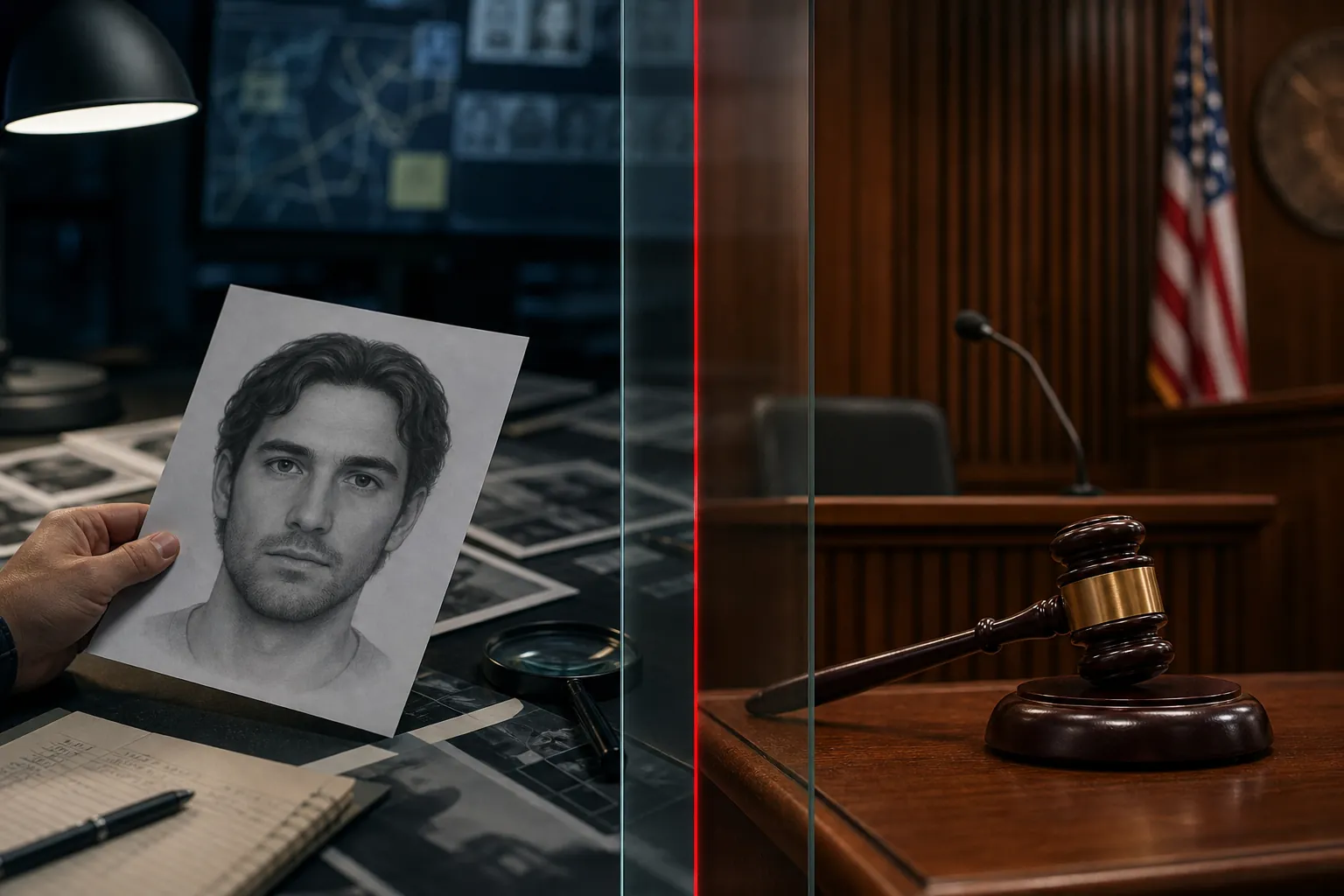 CONFIRMEDUpdatedJurisdictionHawaii, United StatesCourtCircuit Court of the First Circuit, HawaiiToolParabon SnapshotRuling dateJul 12, 2023
How AI facial reconstruction fails in 1982-era cold cases
AI facial evidence in cold-case work has a documented failure record — no arrests from police AI sketches, a suspect cleared on the spot, barred vendor analyses, and a 1982 cold-case acquittal — and this filterable record flags what litigators should verify in each case.
Last verified
 CONFIRMEDUpdatedJurisdictionUS: District of ColumbiaCourtU.S. District Court for the District of ColumbiaToolNo AI tool namedRuling dateAug 3, 2026
What Jeanine Pirro's Reflecting Pool decision left open
Jeanine Pirro's Reflecting Pool decision dismissed the felony without prejudice, making it a disposition rather than an exoneration and leaving an accountability sequence live. This tracker flags each remaining thread — bar discipline, inspector-general reviews, civil claims, and removal reports — as confirmed or reported, with the conditions that would move it forward.
Last verified
 REPORTED — UNVERIFIEDUpdatedJurisdictionGeorgia, United StatesCourtSuperior Court of Fulton CountyToolNo AI tool implicatedRuling dateAug 4, 2026
What's Verified in the Sidney Starr Charges Update
This brief separates what Fulton County records show in the Sidney Starr child assault case — listed charges, held without bond, no plea entered — from what remains alleged, reported, or AI-generated. It gives counsel the primary-source checks to run before relying on any AI or aggregator case summary.
Last verified
 DISMISSED WITHOUT PREJUDICEUpdatedJurisdictionUS federalCourtD.D.C.ToolNo AI tool implicatedRuling dateNov 25, 2024
Fact Checking the Trump DOJ Election Interference Speech
A verified, source-linked record examining each election-interference claim from the July 16, 2026 Trump White House declassification speech against the primary intelligence and court documents they purport to reveal.
Last verified
 REPORTED — UNVERIFIEDUpdatedJurisdictionGlobalCourtVarious courtsToolQwen3.7 MaxRuling dateJul 17, 2026
What Alibaba's Qwen Abstention Rate Means for Legal AI Tools
Alibaba's Qwen3.7 Max posts the lowest hallucination rate among comparable Chinese models by abstaining from roughly half of the questions it receives — which is why a low hallucination score does not, by itself, make a Qwen-based tool safe for legal research. This evaluation maps the model's legal-benchmark results to the workflows a Qwen-based tool can and cannot safely carry, so procurement and law-firm risk teams have a defensible answer on where it fits.
Last verified