
Obligations tracker
Regulation
An obligations tracker organized by issuing authority and jurisdiction: US federal and state court standing orders, state bar ethics opinions, ABA guidance, and EU AI Act provisions relevant to legal-service AI use. Each entry pairs the primary rule text with a plain-language summary and an effective date, kept strictly separated by jurisdiction scope so US court/bar rules are never conflated with EU AI Act obligations. Serves the task of determining what is mandatory where a practitioner practices. Excludes case outcomes (Risk Digest) and procedural how-to steps (Workflows); this group answers 'what rule applies,' not 'what happened' or 'what do I do.'
US Federal
 UpdatedAuthorityU.S. CongressRule typestatute
Ford CEO Right-to-Repair Stance Creates Legal Risk
Warranty coverage cannot be conditioned on use of authorized dealers unless service is free or FTC waiver obtained.
 UpdatedAuthorityFTC and DOJRule typestatute
Which antitrust theories threaten Meta's $14B data center deal?
Document business necessity for sole-tenant lease and repeated 80/20 SPV structure to defend against supply banking and exclusive dealing theories.
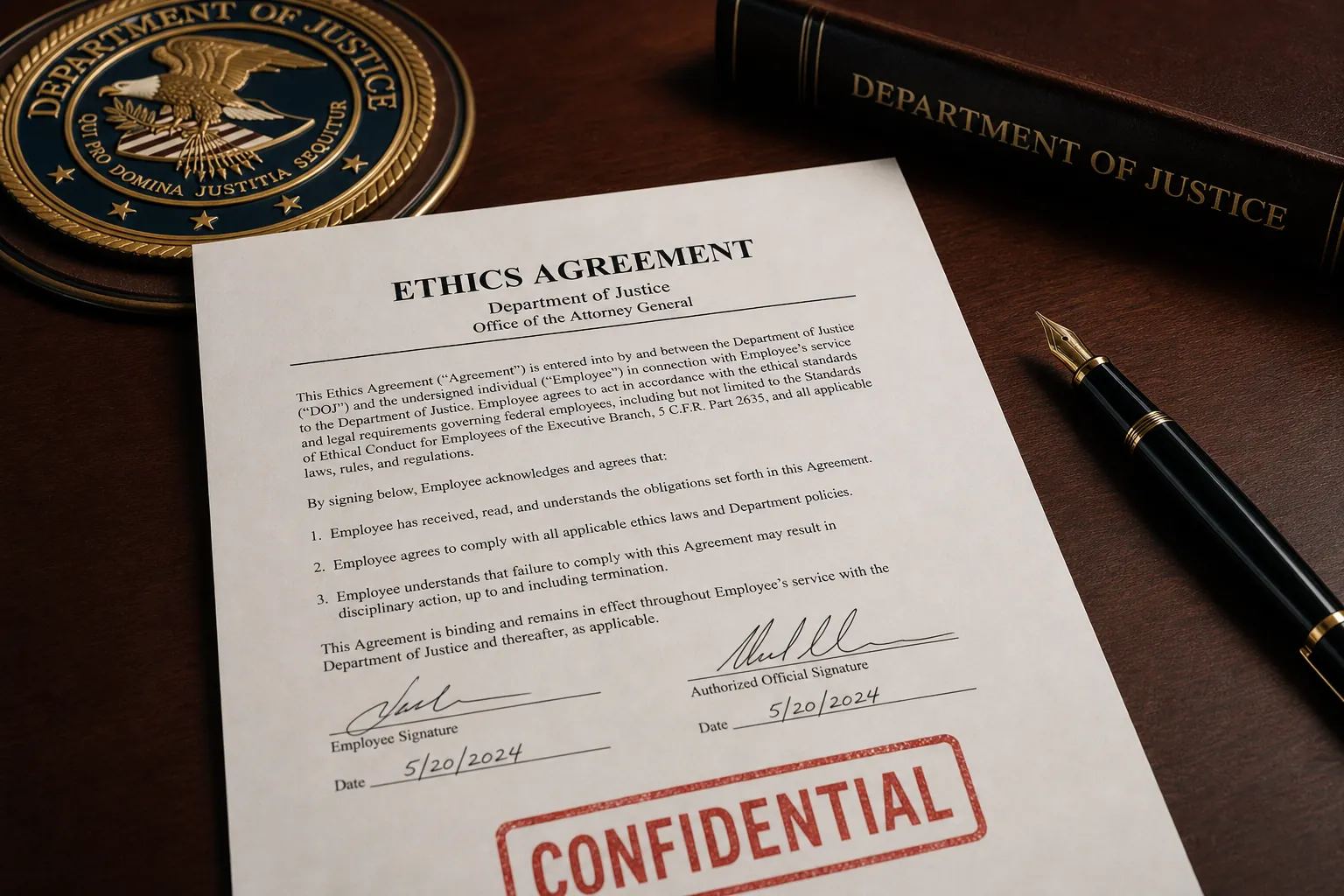 UpdatedAuthorityU.S. Department of JusticeRule typeethics opinion
The DOJ ethics record behind Trump's Blanche withdrawal threat
Recuse from matters involving former client Donald Trump.
 UpdatedAuthorityU.S. CongressRule typestatute
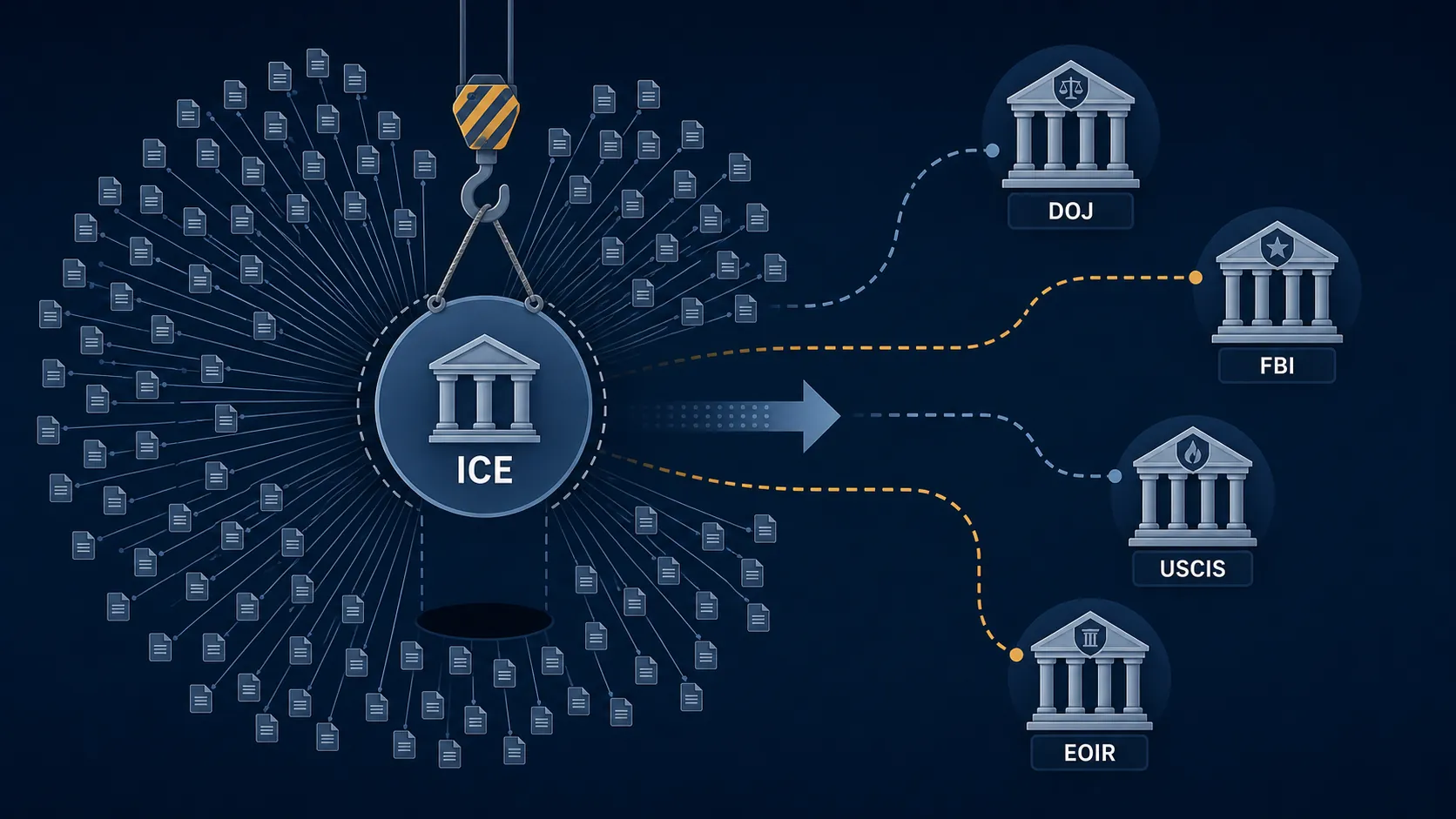
How Abolishing ICE Would Redistribute 400 Federal Statutes
ICE's FY2026 funding has been zeroed and the Abolish ICE Act is pending, but the real legal complexity lies in reassigning the more than 400 federal statutes the agency currently enforces. This article maps the statutory-redistribution problem and identifies what in-house counsel, litigators, and risk managers should track now.
 UpdatedAuthorityU.S. District Court for the District of MassachusettsRule typecourt orderEffectiveJul 30, 2026
The Medicaid Work Requirements Ruling Leaves All Merits Questions Open
States must implement IFR, with member notices due Aug 31, 2026 and full compliance by Jan 1, 2027.
 UpdatedAuthorityFederal Communications CommissionRule typeregulationEffectiveJul 28, 2026
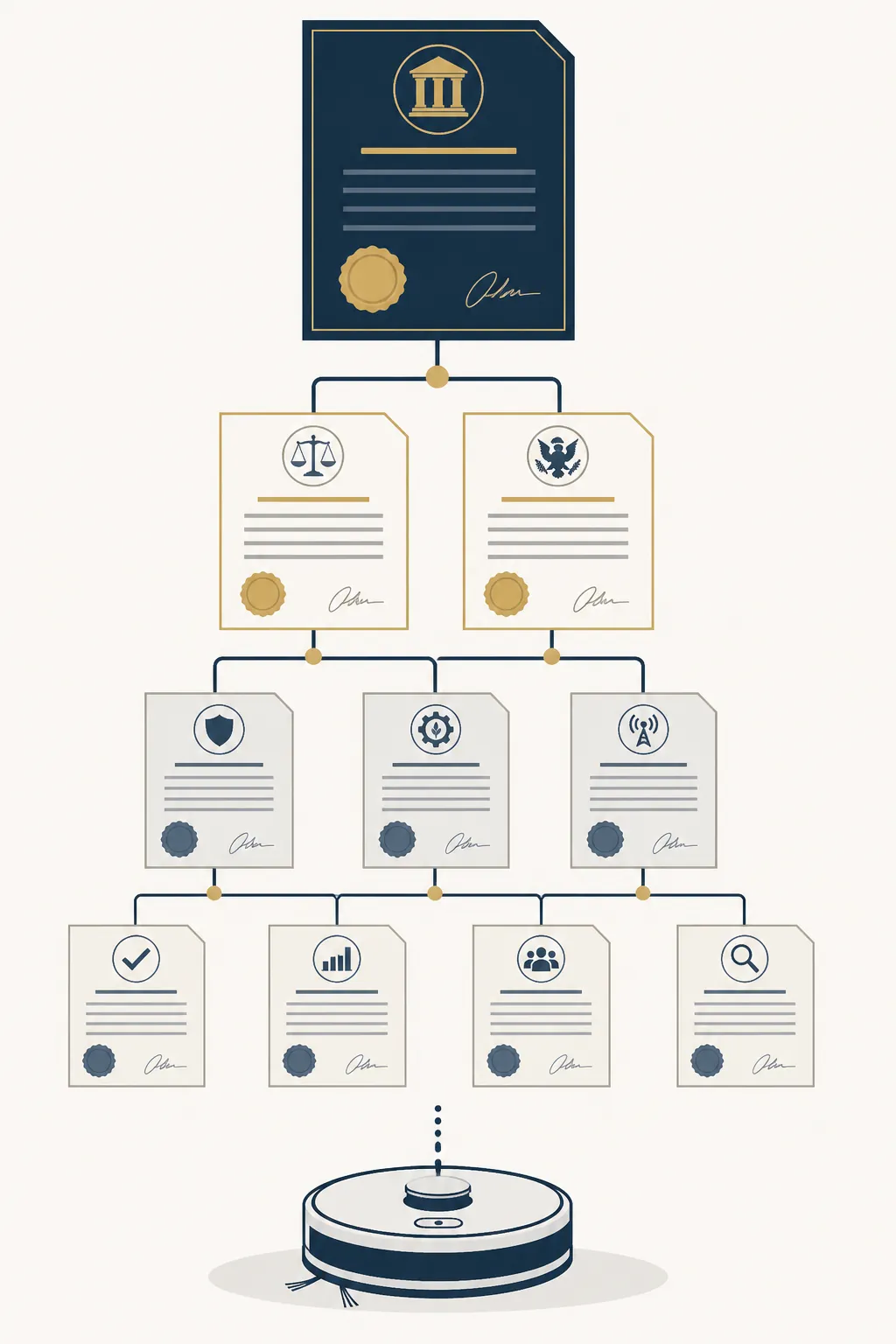
Legal Architecture and Vulnerabilities of the FCC Robot Vacuum Ban
New covered equipment requires Conditional Approval or waiver for authorization, import, marketing, or sale.
 UpdatedAuthorityCenters for Medicare & Medicaid Services (CMS)Rule typeregulation
AI Classifiers in Medicaid Lawsuits Face a Legal Hinge
States must apply a narrow two-part medical-frailty standard for exemptions from Medicaid work requirements.
 UpdatedAuthorityFederal Motor Carrier Safety Administration (FMCSA)Rule typeregulation
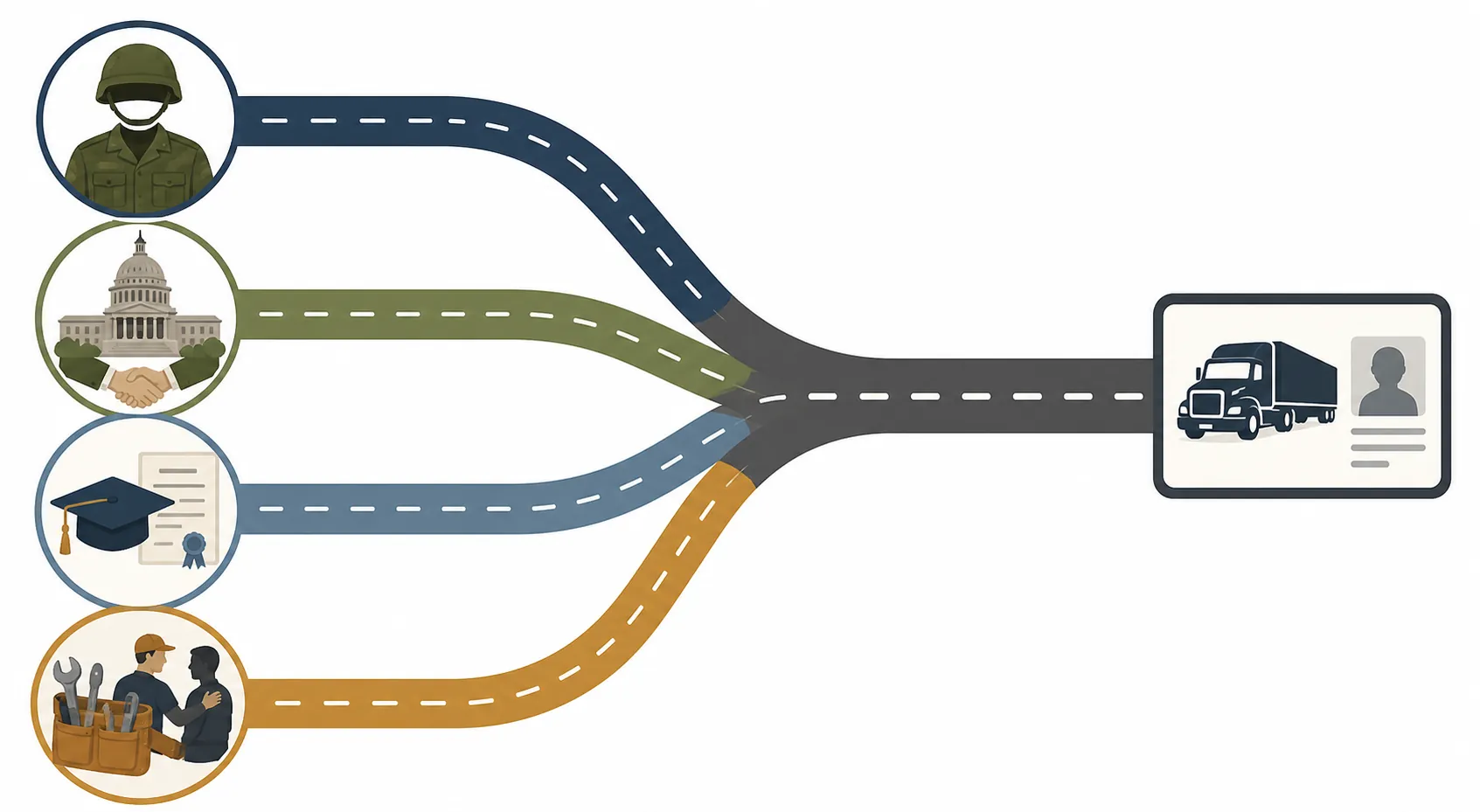
What Are the Freedom Haulers CDL Eligibility Requirements?
Veteran must satisfy one of four FMCSA pathways: Military Skills Test Waiver, Even Exchange, GI Bill, or Skillbridge/OJT.
 UpdatedAuthorityFMCSARule typeregulationEffectiveFeb 13, 2026
How Freedom Haulers Creates Circular Legal Risks for Trucking
Restricts non-domiciled CDL eligibility; removes EAD-based eligibility; ties license validity to lawful status
 UpdatedAuthorityU.S. District Court for the District of MassachusettsRule typeregulationEffectiveJun 8, 2026
Why the $100K H-1B Fee Lost in Massachusetts But Survived in D.C.
The $100,000 H-1B fee was vacated as an unconstitutional tax; monitor appeal status.
 UpdatedAuthorityFederal Communications CommissionRule typeregulationEffectiveJul 28, 2026
Compliance Roadmap for the US Ban on Chinese Humanoid Robots
Separately address FCC authorization, Section 1260H procurement bans, and supply-chain component audits.
 UpdatedAuthorityConsumer Product Safety Commission (CPSC)Rule typeregulation
Trump ER Data Demand Has Four Legal Vulnerabilities
Transmit identifiable ER records to CPSC for NEISS-R
US State
 UpdatedAuthorityUK ParliamentRule typeregulationEffectiveDec 8, 2025
UK lawmakers declare AI a national security threat; no bill
In 2025, UK lawmakers and security agencies declared AI a national security threat through multiple actions, yet no binding AI regulation passed. This article traces the cascade of events and explains why legal practitioners still rely on existing professional conduct rules rather than a statutory safe harbor.
 UpdatedAuthorityGerman Federal Ministry of DefenceRule typestatuteEffectiveJan 1, 2026
Germany's 2025 Conscription Law and the Hidden Exit Rule
Men aged 17–45 residing in Germany must obtain Bundeswehr approval before leaving for over 3 months; currently suspended by ministerial directive.
 UpdatedAuthorityState Attorneys GeneralRule typestatuteEffectiveJul 13, 2026
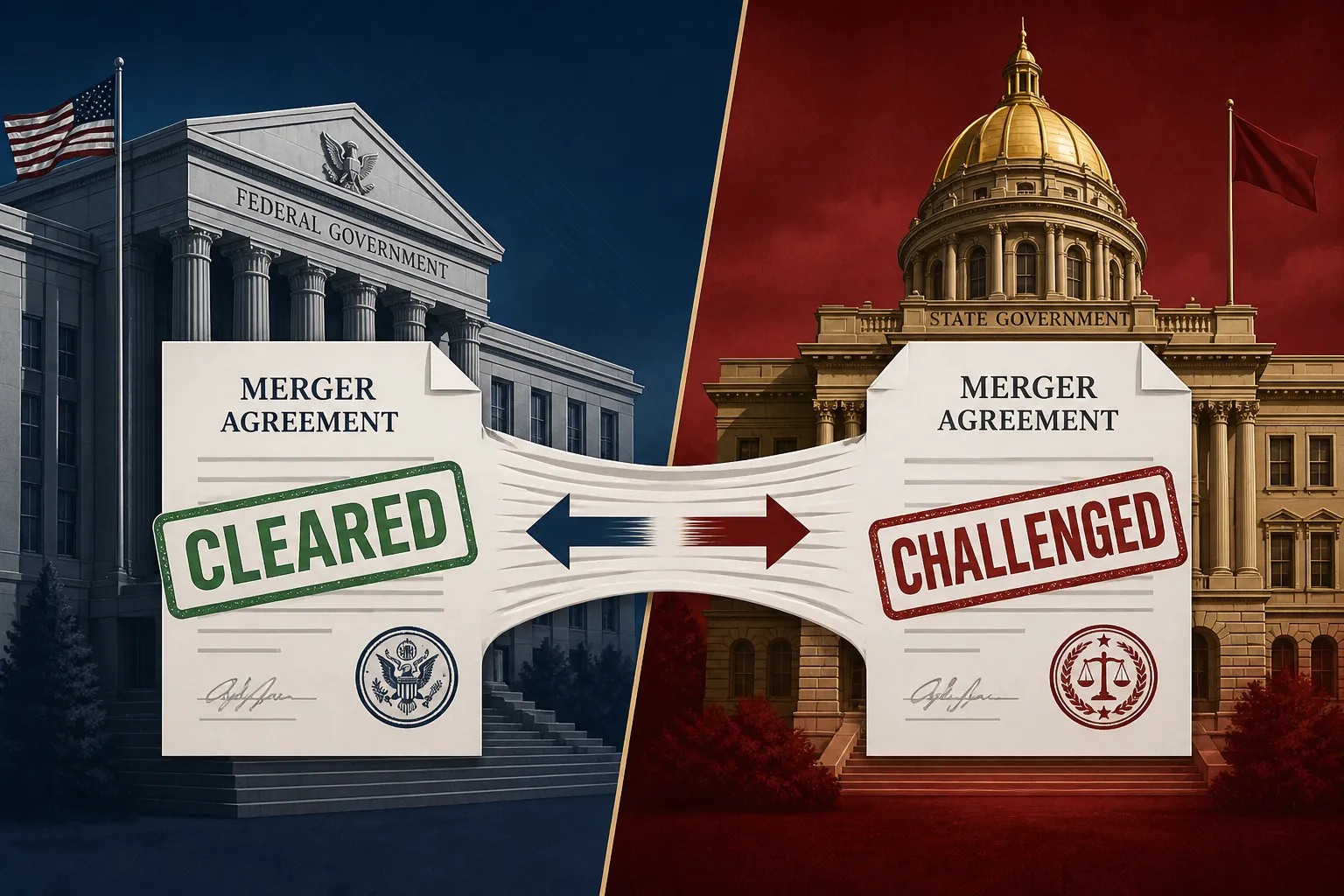
Why State AGs Can Block the Paramount-WBD Merger the DOJ Cleared
State AGs may independently challenge mergers under Clayton Act §7 even after federal clearance, requiring transaction teams to model parallel enforcement risk and delay costs.
 UpdatedAuthorityNew York City Department of FinanceRule typeregulationEffectiveJul 1, 2026
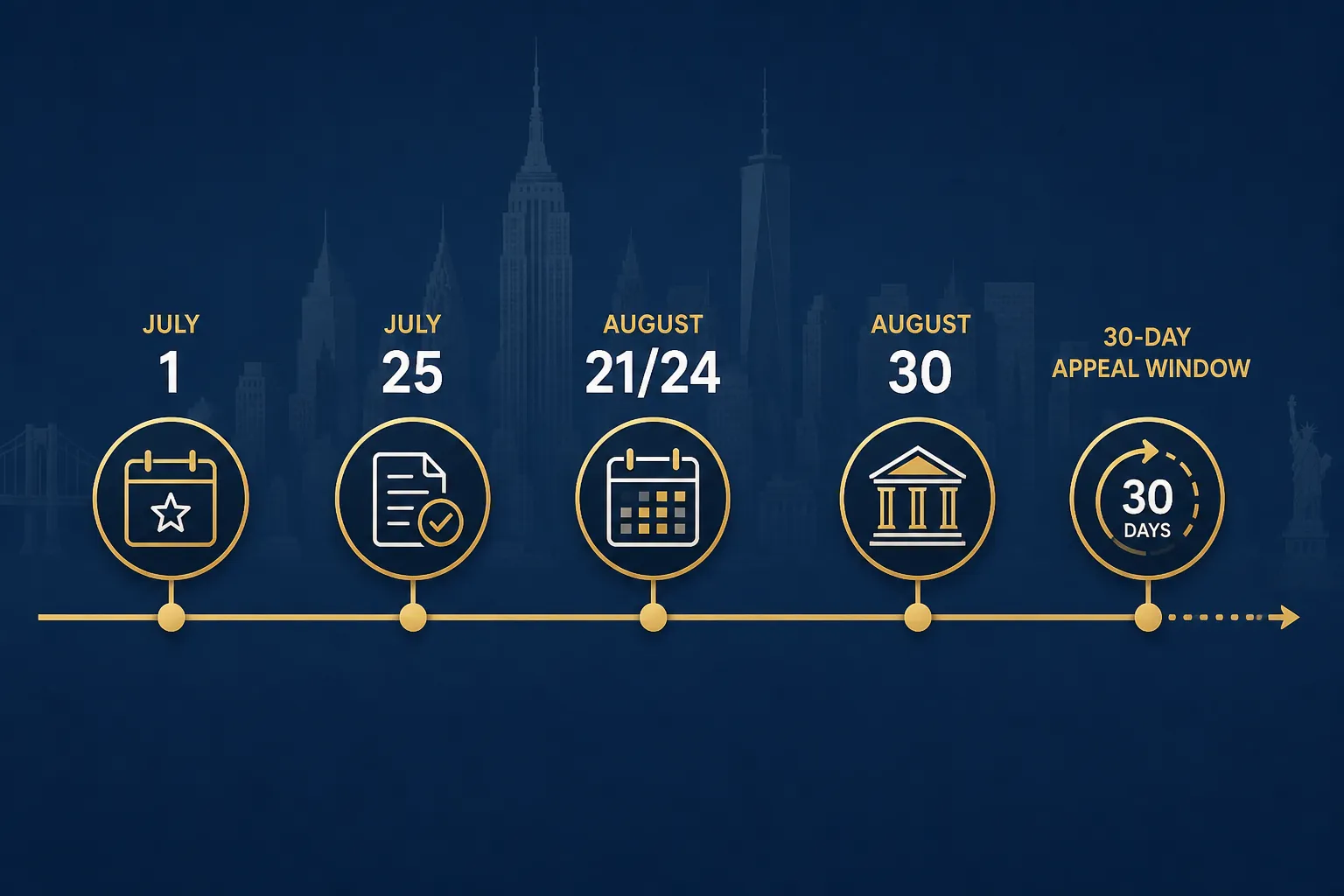
Is Your NYC Property Subject to the 2025 Pied-à-Terre Tax?
Owners of high-value residential properties must file exemption application by August 21 (houses/condos) or August 24 (co-ops) 2026, providing proof of primary residence, immediate family occupancy, or arm's-length lease.
 UpdatedAuthorityUnited Nations Office for Outer Space Affairs (UNOOSA)Rule typetreaty
Cislunar Space Debris Regulation Has a Legal Vacuum
The Falcon 9 Moon impact on August 5, 2026, exposes that neither the Liability Convention nor U.S. domestic rules provide a workable liability mechanism for cislunar debris, creating a de facto immunity zone that operators and their counsel must understand.
 UpdatedAuthorityParliament of CanadaRule typestatute
How Canada’s Coercive Control Law Creates a DARVO Risk
Criminalizes pattern of coercive control in intimate partner relationships
 UpdatedAuthorityCalifornia Attorney General (on behalf of 12-state coalition)Rule typestatute
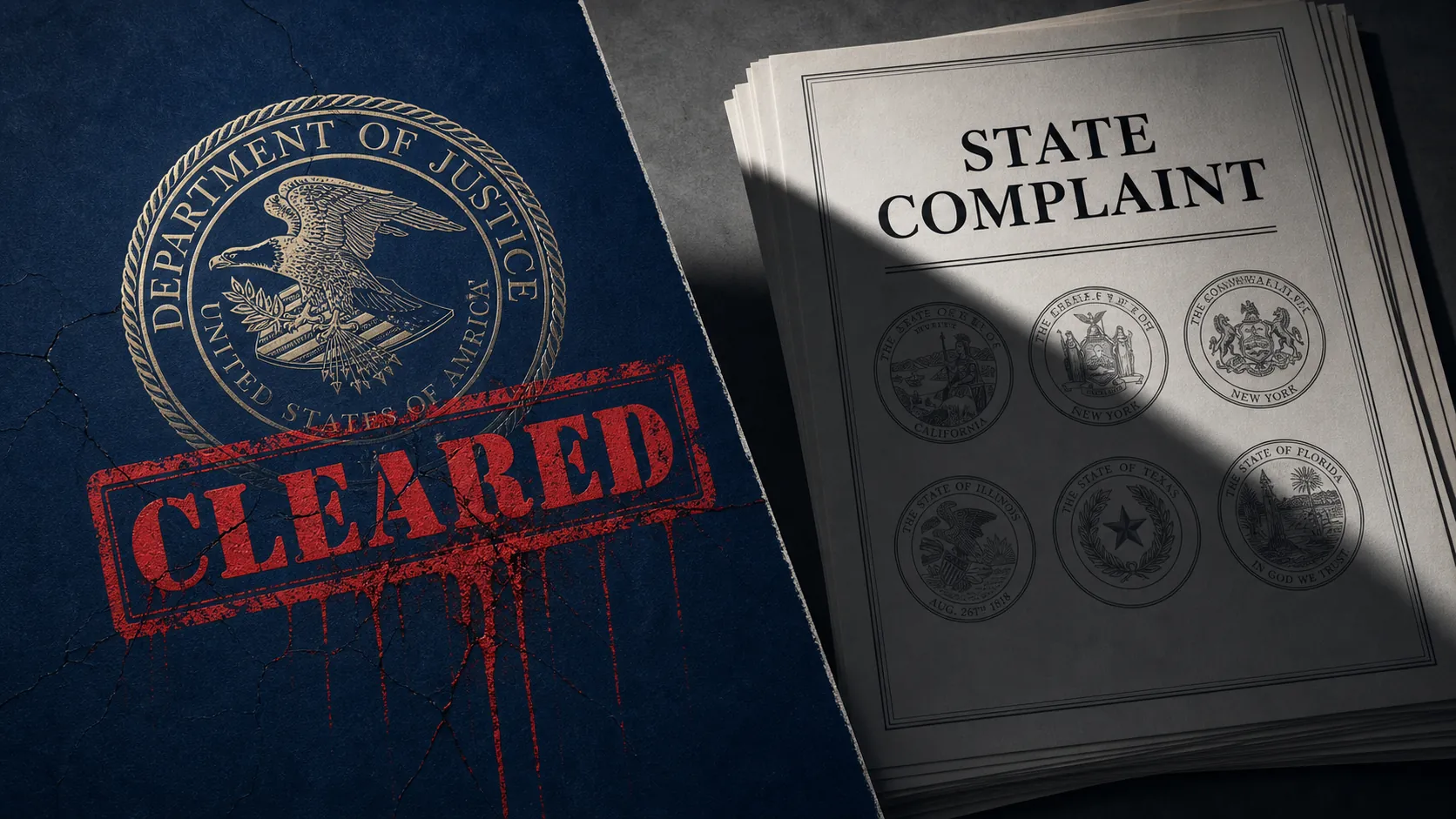
Why Federal Clearance Isn't Enough for the Paramount-Warner Bros Merger
State attorneys general may independently challenge mergers under Clayton Act §16 after federal clearance.
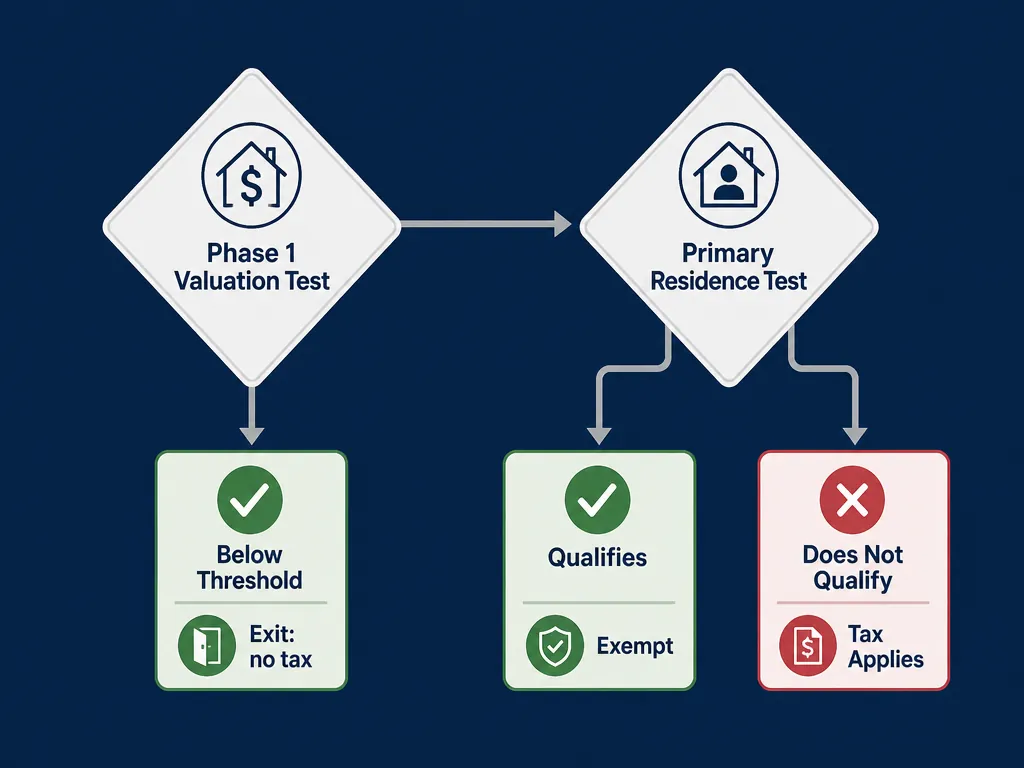 UpdatedAuthorityNew York City Department of FinanceRule typeregulationEffectiveJul 14, 2026
Does Your NYC Property Qualify for the Pied-à-Terre Tax Exemption?
Verify DOF Phase 1 market value; if above threshold, prove primary residence as of January 5, 2026 for covered owner, family, or lessee using tax return or two-of-three documents.
EU
No obligations tracked yet in this scope.