
Flagship tracker
Risk Digest
The flagship, near-daily updated database of documented AI hallucination and sanction incidents in legal proceedings worldwide. Each entry is a structured record, not a news article: jurisdiction, court, judge (if named), the AI tool implicated, penalty amount, ruling date, a confirmed-vs-reported status flag, and a link to the primary court order. Serves the 'check risk' and 'track regulation' tasks: a lawyer, risk manager, or journalist scanning for new sanctions, a specific jurisdiction, or a specific tool. Excludes narrative commentary, procedural how-to guidance (belongs in Workflows), and rule text summaries (belongs in Regulation). This group is the site's differentiation engine: freshness and per-record sourcing are the moat, so every record must carry a last-verified timestamp distinct from the ruling date.
Confirmed
A court order or docket entry has been independently verified.
Reported — unverified
Still pending independent verification against a primary source.
Filtered by tag jurisdiction-us-federal — clear filter
 REPORTED — UNVERIFIEDUpdatedJurisdictionMississippiCourtMississippi state courtToolUnspecified AI toolRuling dateJul 27, 2026
Analyzing Nolan Wells Enhanced Audio for Daubert Challenges
This article examines the AI-enhanced 911 call audio in the Nolan Wells case and provides a Daubert admissibility risk framework for litigators. It explains why the absence of methodological transparency and challenging acoustic conditions make this evidence presumptively unreliable under Mississippi’s Daubert-based Rule 702.
Last verified
 REPORTED — UNVERIFIEDUpdatedJurisdictionMississippiCourtMississippi state courtToolUnspecifiedRuling dateJul 27, 2026
The Pre-Litigation Deepfake Risk from the Nolan Wells Case
The Nolan Wells investigation saw AI-generated deepfakes impersonating witnesses and fabricating incident footage within days of body recovery, contaminating the pre-litigation evidence ecosystem before any complaint. This analysis pairs that event with the Mendones v. Cushman & Wakefield terminating-sanctions ruling to show litigators where the current risk framework falls short and how to prepare.
Last verified
 REPORTED — UNVERIFIEDUpdatedJurisdictionUS-MSCourtJackson County Grand JuryToolNoneRuling dateJul 22, 2026
Why the Nolan Wells case can't be ruled accident or homicide
This risk digest examines why drowning remains a diagnosis of exclusion, how decomposition and retained tissue prevent definitive classification in the Nolan Wells death investigation, and what the resulting evidentiary gap means for the grand jury and any potential criminal proceedings.
Last verified
 REPORTED — UNVERIFIEDUpdatedJurisdictionUS - District of ColoradoCourtUnited States District Court for the District of ColoradoToolNoneRuling dateMay 12, 2026
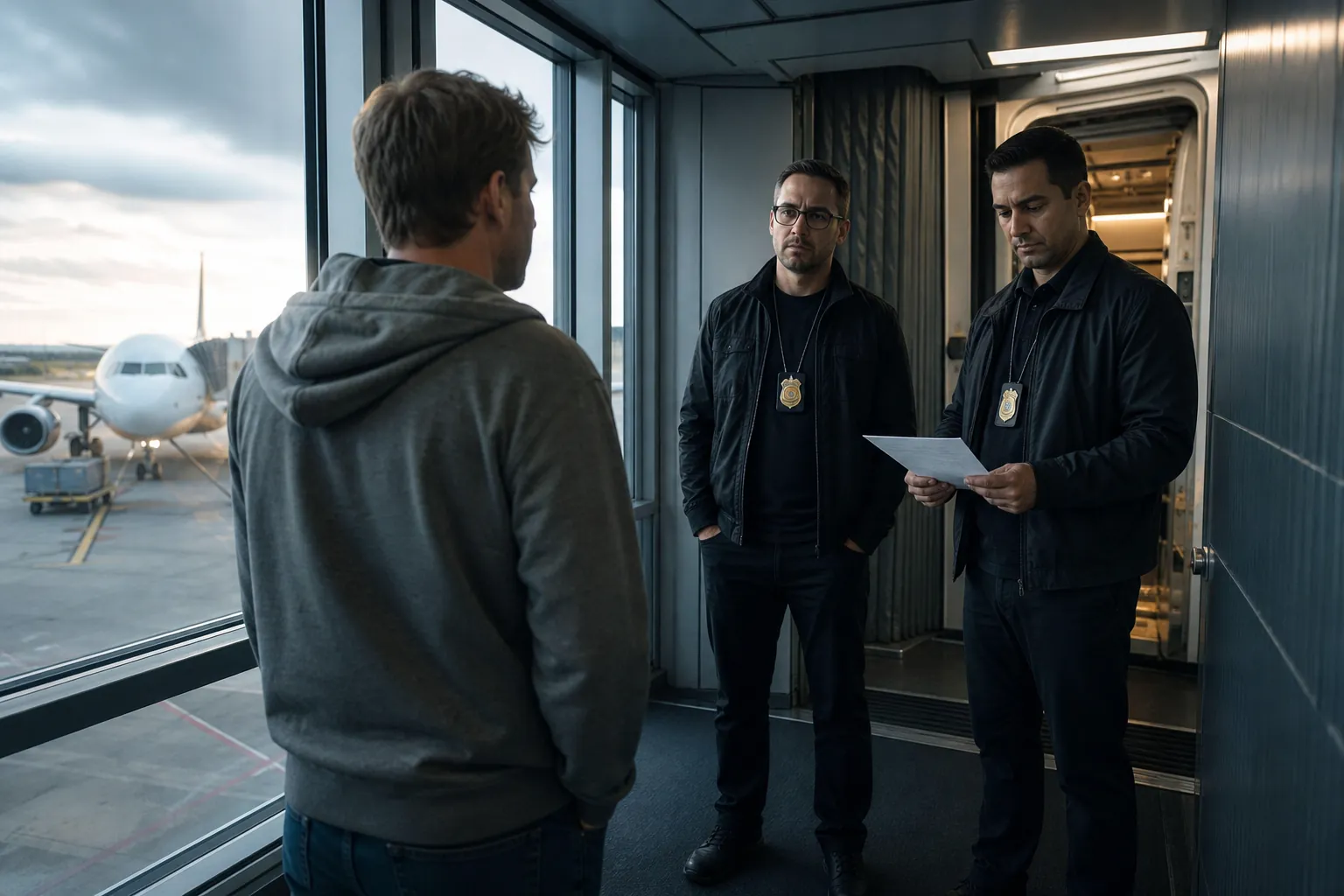
ICE Airport Arrest in Colorado Tests Warrantless Powers
The July 20, 2026 ICE warrantless arrest of Chantal Rojas on a Southwest Airlines jetway at Denver International Airport exposes unresolved legal conflicts over warrantless arrest authority under 8 U.S.C. § 1357(a)(2) and compliance with the Ramirez Ovando preliminary injunction in Colorado. The incident provides a primary-source-anchored case study for practitioners assessing ICE enforcement risk at airports.
Last verified
 REPORTED — UNVERIFIEDUpdatedJurisdictionUS FederalCourtU.S. District CourtToolNoneRuling dateJul 27, 2026
Comey Indictment Tests First Amendment Defense After Counterman
The James Comey indictment tests the Supreme Court's Counterman recklessness standard for true threats. Litigators can use the case to assess when social-media political speech crosses into prosecutable risk.
Last verified
 CONFIRMEDUpdatedJurisdictionScotlandCourtCourt of Session (Scotland)ToolInternational Fume Events Task Force medical protocolRuling dateJan 1, 2025
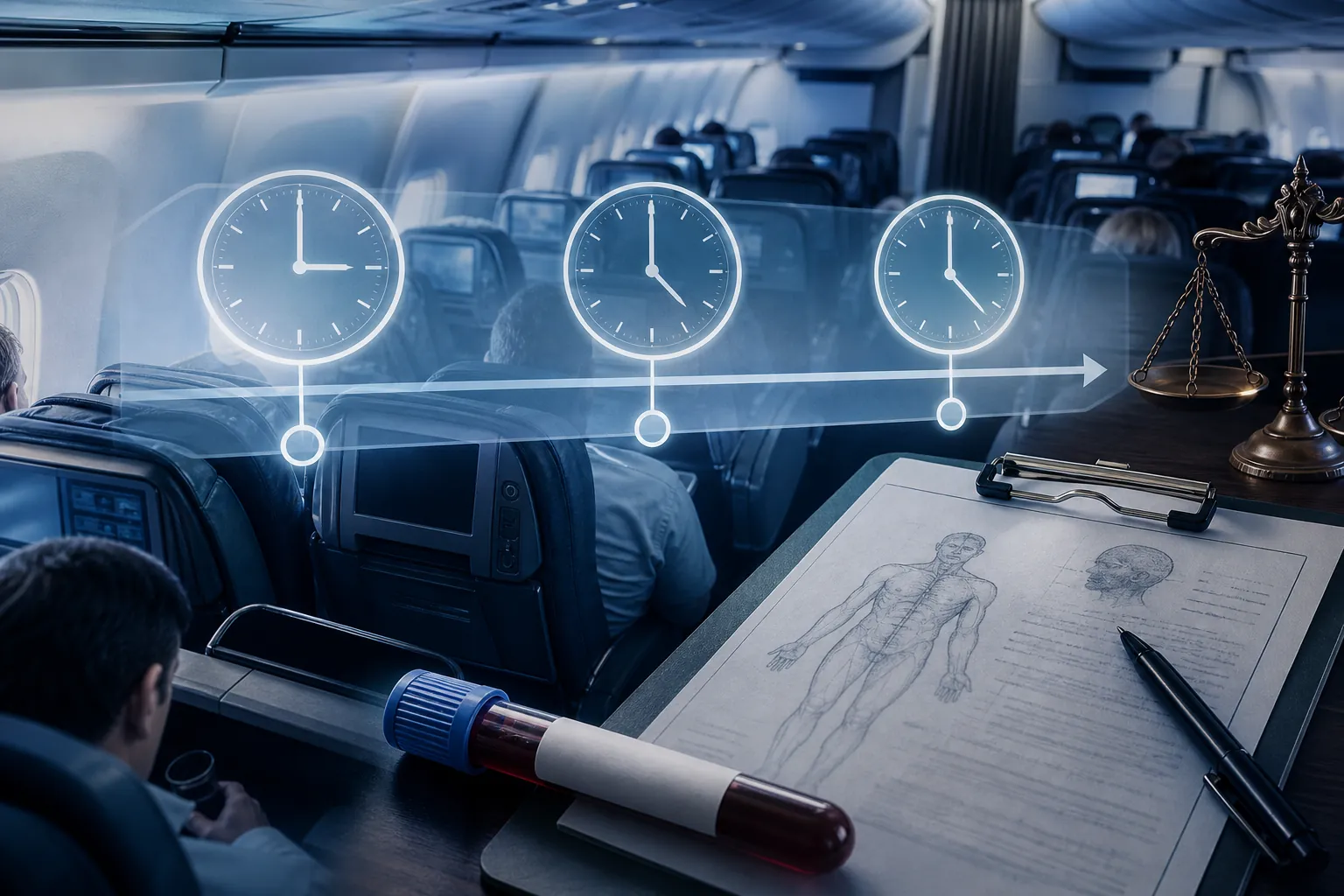
Building an evidence record for toxic cabin air claims
A guide to the time-sensitive biomarker tests, neuroimaging protocols, and maintenance records that courts accept as evidence in toxic cabin air litigation, based on the 2023 International Fume Events Task Force medical protocol.
Last verified
 REPORTED — UNVERIFIEDUpdatedJurisdictionUS-FederalCourtNoneToolNoneRuling dateJul 28, 2023
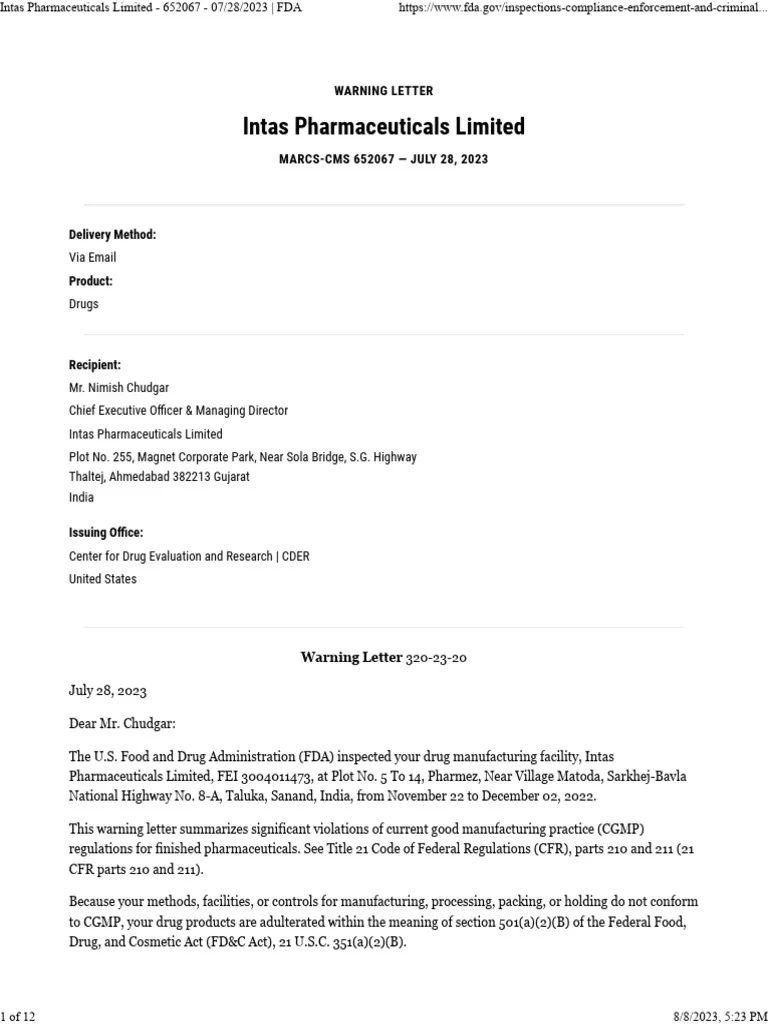
How to Evaluate Subpotent Levothyroxine Recall Legal Claims
A structured assessment of viable legal claims from the 2025 Accord and 2026 Major Pharmaceuticals subpotent levothyroxine recalls, covering product liability theories, damages benchmarks (including the Acella $41M settlement), and the evidentiary significance of the 2023 FDA warning letter to Intas Pharmaceuticals — along with a current-litigation status that no complaint has been publicly filed as of July 2026.
Last verified
 CONFIRMEDUpdatedJurisdictionUS FederalCourtU.S. District Court for the Western District of WashingtonToolNot specifiedRuling dateMar 1, 2026
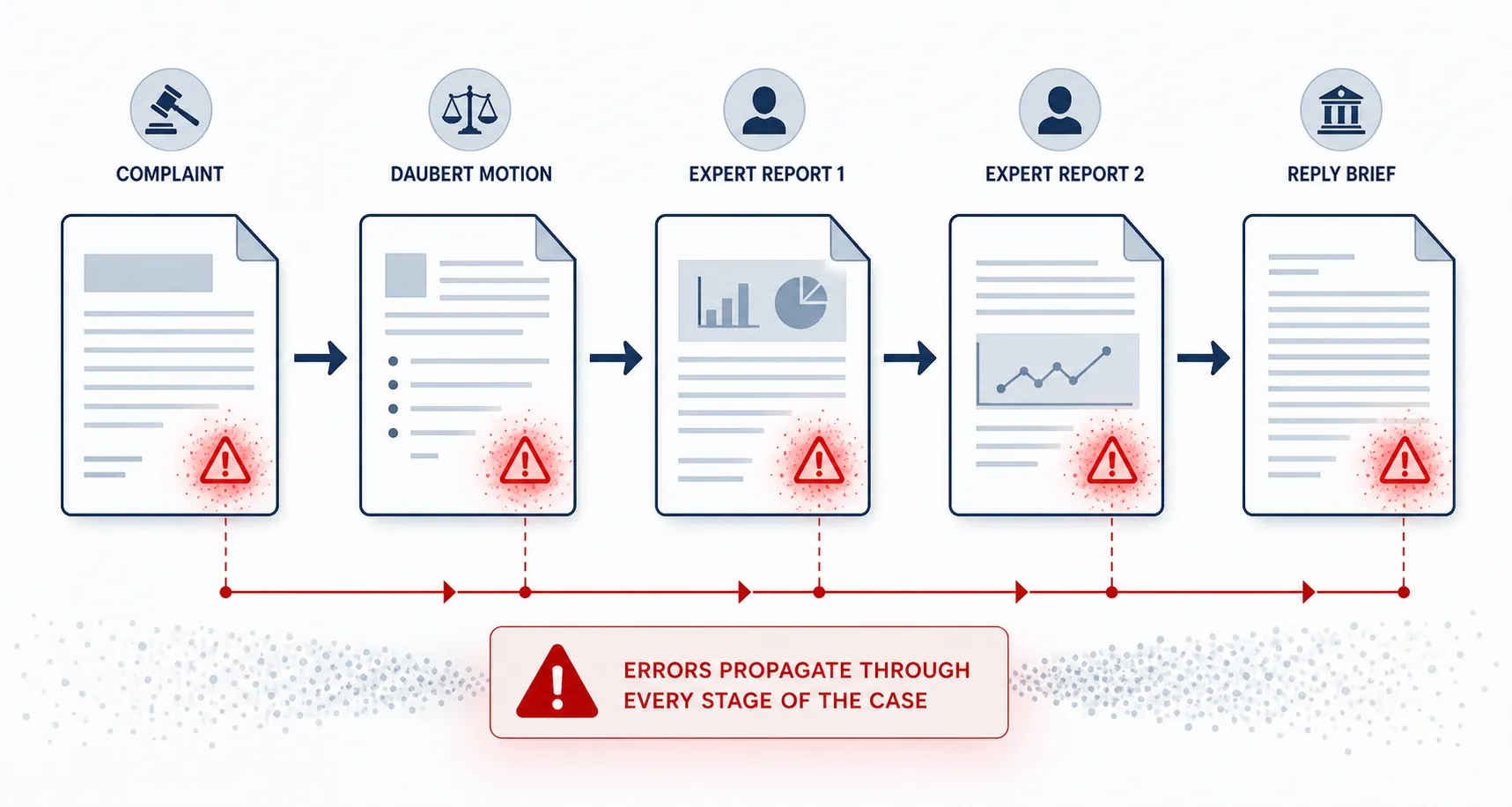
LeDoux v. Outliers Blueprint: AI Hallucinations as Defense Leverage
This risk digest entry documents the LeDoux v. Outliers case, where plaintiff's counsel filed multiple documents containing AI-hallucinated citations, a fabricated state statute, and identical errors across two expert reports. The court's show-cause order provides defense counsel with a replicable blueprint for systematically auditing opposing filings and building Rule 11 motions that target professional misconduct rather than product causation.
Last verified
 REPORTED — UNVERIFIEDUpdatedJurisdictionUS FederalCourtU.S. District CourtToolNoneRuling dateApr 28, 2026
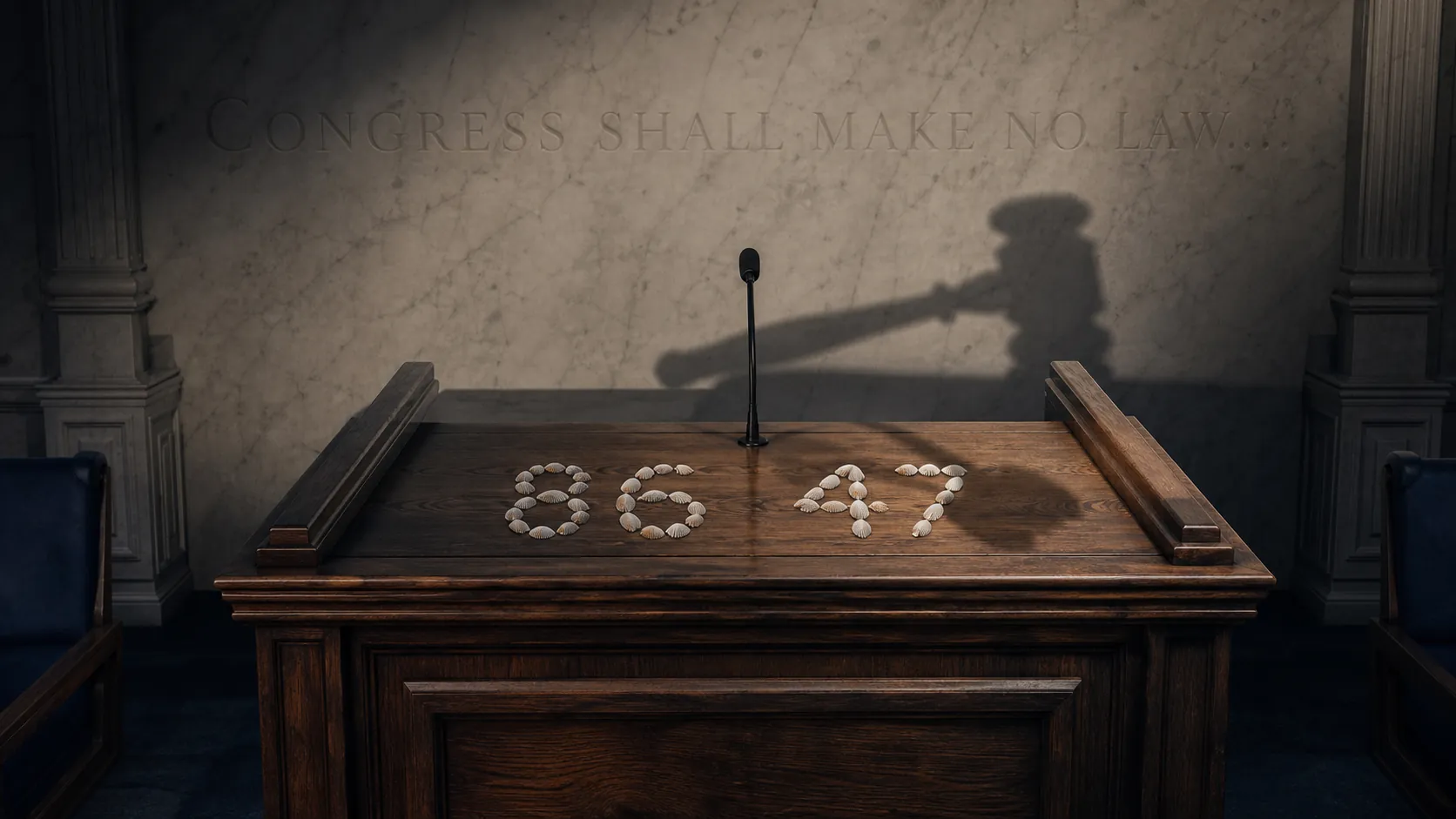
Comey's '86 47' Indictment Tests the True-Threat Doctrine
An analysis of the First Amendment vulnerabilities in the federal indictment of James Comey for a single ambiguous Instagram post, examining why the true-threat doctrine and Counterman recklessness standard may bar prosecution under the current public record.
Last verified
 REPORTED — UNVERIFIEDUpdatedJurisdictionUnited States - Southern District of New YorkCourtU.S. District Court for the Southern District of New YorkToolNoneRuling dateJan 27, 2026
Toxic Fumes Lawsuit Against Airbus Tests Liability After 2025 Surge
A federal lawsuit filed by an American Airlines flight attendant alleges Airbus's APU design caused toxic cabin air exposure, part of a growing wave of aerotoxic syndrome claims that surviving preemption defenses and a French occupational disease ruling now signal structural liability risk for airlines and manufacturers.
Last verified
 CONFIRMEDUpdatedJurisdictionUS State - OregonCourtOregon Workers' Compensation BoardToolDelta APURuling dateJan 1, 2020
What Delta's APU Replacement Means for Toxic Fume Lawsuits
Delta's decision to replace APUs on over 300 Airbus A320s creates a documented awareness timeline that plaintiffs can exploit in toxic fume litigation. This article assesses how the program intersects with a wave of passenger, worker's comp, and shareholder lawsuits to help aviation litigators and in-house counsel evaluate exposure.
Last verified
 REPORTED — UNVERIFIEDUpdatedJurisdictionUnited States - Eastern District of North CarolinaCourtU.S. District Court for the Eastern District of North CarolinaToolGeneral AI legal research toolRuling dateApr 28, 2026
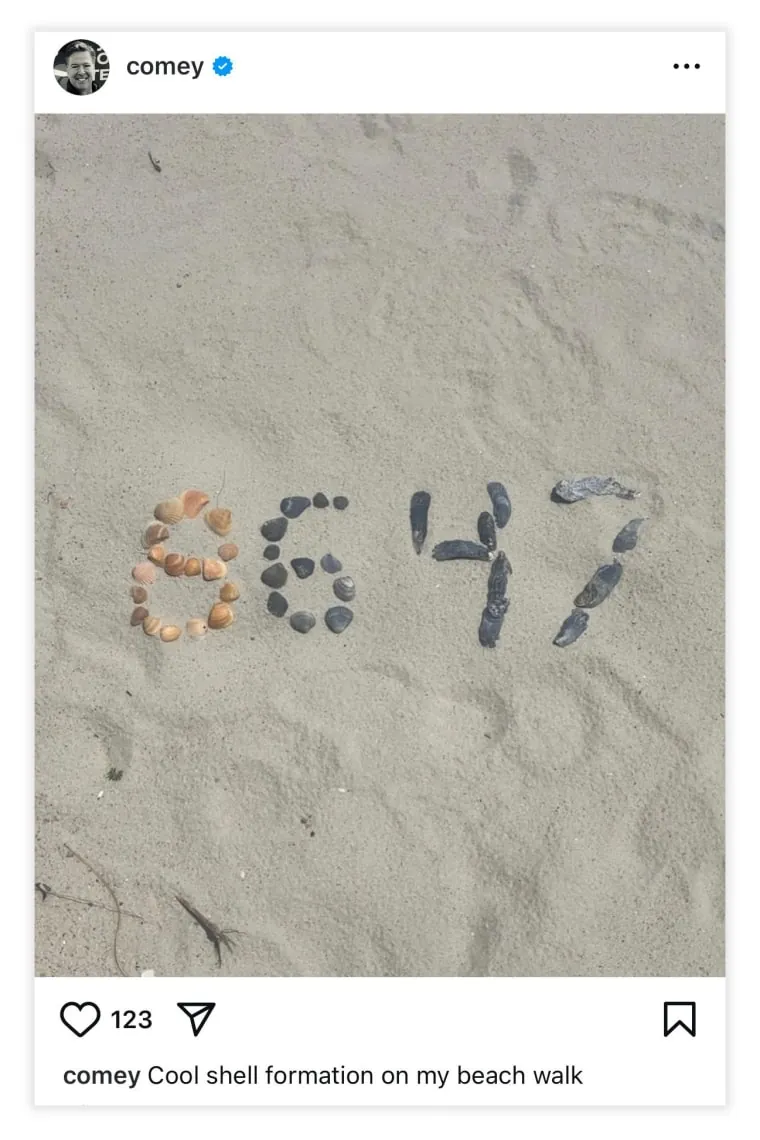
Why 'Case 8647' in James Comey Is an AI Hallucination Trap
The string '8647' has appeared in AI-generated legal research as a docket reference, but it actually refers to a James Comey Instagram post, not a court filing. This article traces the real meaning of '8647' and explains why attorneys must verify any short numeric string before relying on it.
Last verified
 REPORTED — UNVERIFIEDUpdatedJurisdictionUnited StatesCourtFDAToolNoneRuling dateJul 23, 2025
What Legal Rights Do Patients Have After Levothyroxine Recalls?
The Class II levothyroxine recalls of 2025–2026 exposed a critical gap: neither federal law nor the FDA requires pharmacies to notify patients. This article maps the legal rights patients retain and the liability risks for providers who know of a recall but stay silent.
Last verified
 CONFIRMEDUpdatedJurisdictionUS-FederalCourtU.S. District Court for the Southern District of New YorkToolNoneRuling dateJul 1, 2026
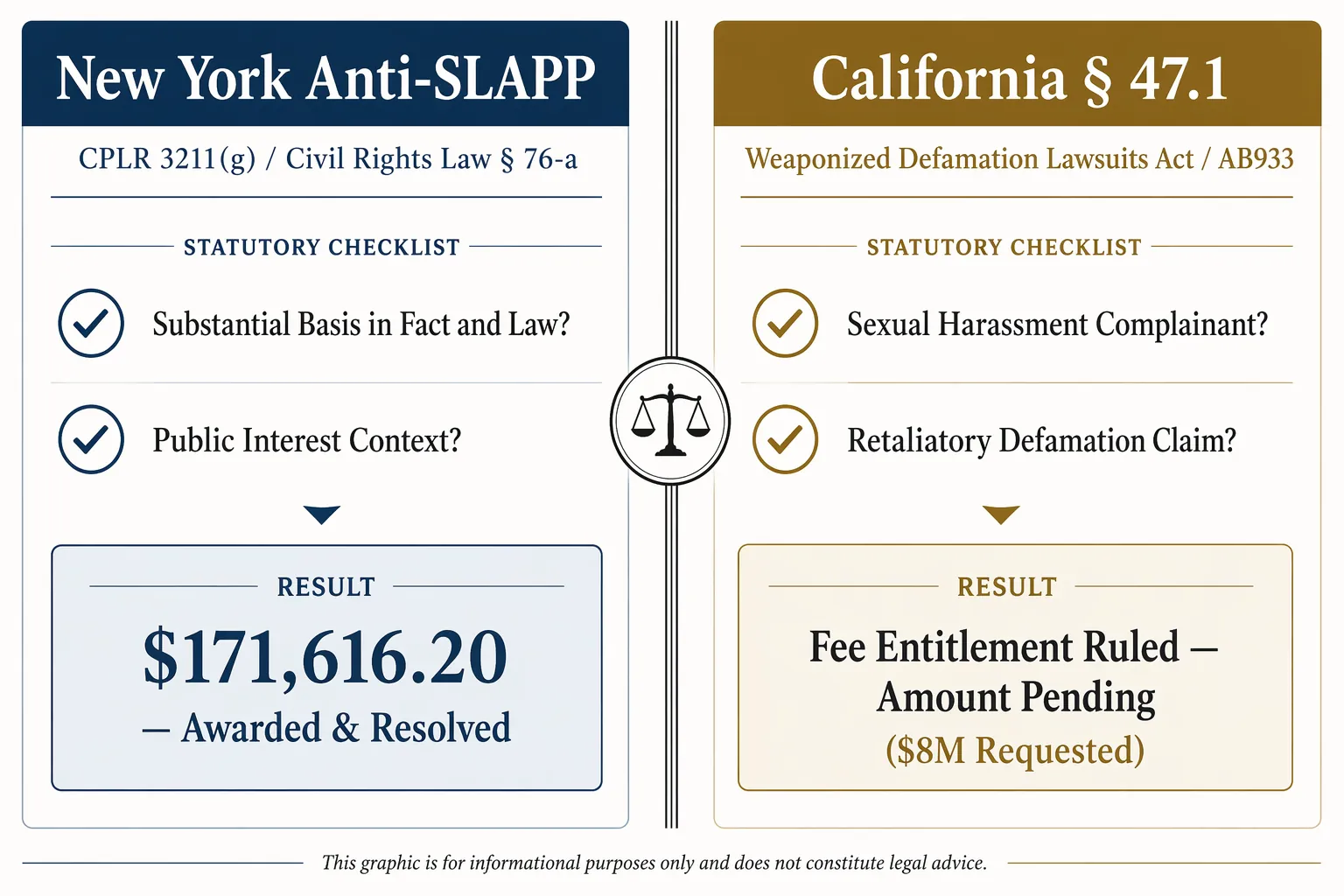
How Two Anti-SLAPP Fee Rulings in the Baldoni Case Compare
The Justin Baldoni litigation produced two distinct anti-SLAPP fee-shifting rulings under New York and California law. This article explains the statutory differences, the amounts awarded or requested, and what practitioners should watch when facing parallel defamation and anti-SLAPP motions.
Last verified
 CONFIRMEDUpdatedJurisdictionUS FederalCourtU.S. District Court for the Southern District of New YorkToolNoneRuling dateJul 27, 2026
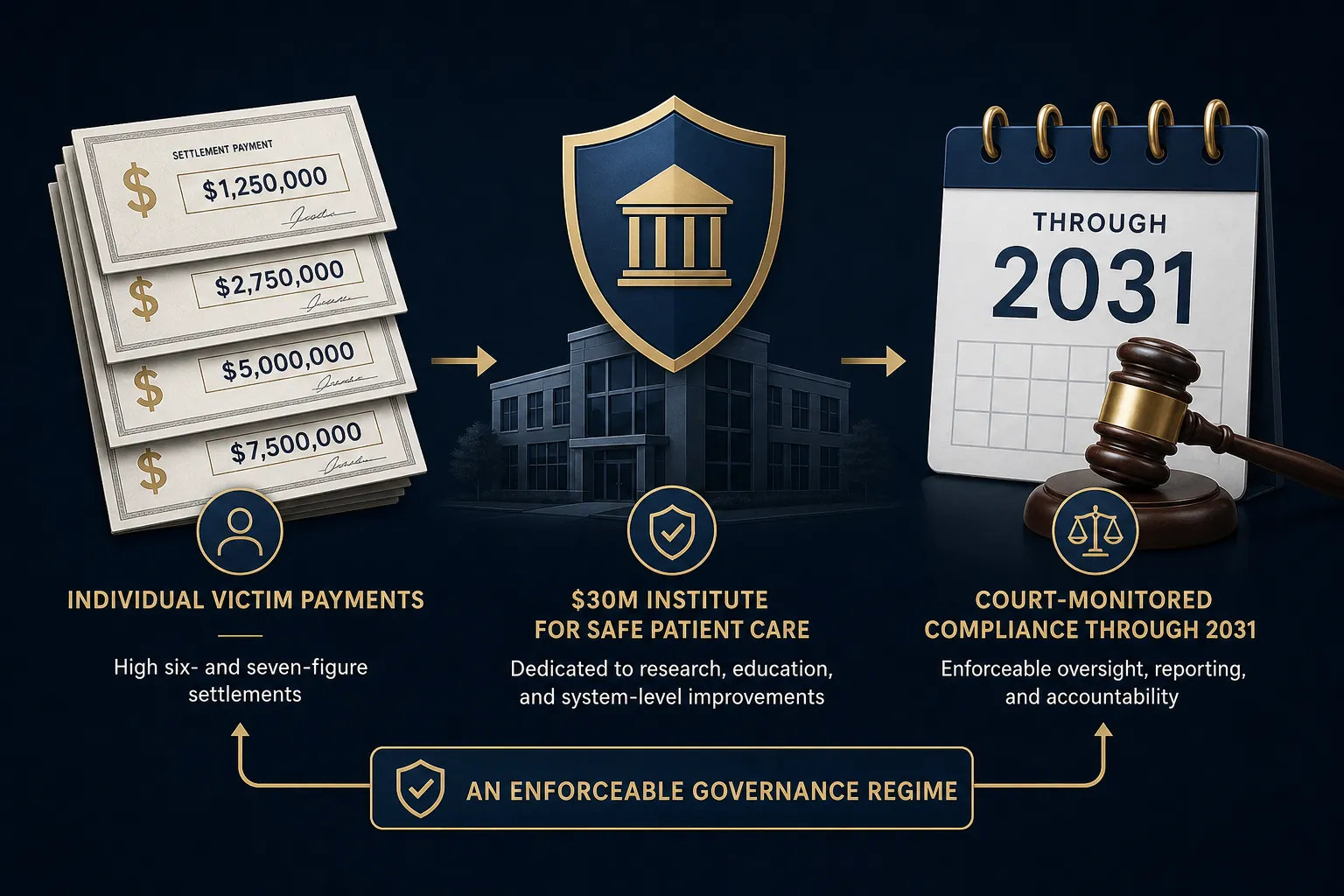
Cornell's Darius Paduch sexual abuse settlement: $1B+
The July 2026 voluntary resolution between Weill Cornell Medicine and the US Attorney's Office requires over $1 billion in victim settlements, a $30 million Institute for Safe Patient Care, and court-monitored compliance through at least 2031, establishing a new liability standard for institutions that fail to act on documented clinician abuse complaints.
Last verified
 CONFIRMEDUpdatedJurisdictionUS FederalCourtU.S. District Court for the Southern District of New YorkToolNoneRuling dateJun 12, 2026
First Federal Section 47.1 Fee Award in Lively v. Wayfarer
Judge Liman's June 12, 2026 fee-entitlement ruling in Lively v. Wayfarer Studios marks the first successful federal application of California Civil Code § 47.1, establishing a qualified privilege and mandatory fee-shifting framework for retaliatory-defamation counterclaims. This entry covers the three first-impression holdings—privilege assessment at the pleading stage, Erie applicability, and constitutional validity—and identifies the unresolved fee-reasonableness phase that follows.
Last verified
 CONFIRMEDUpdatedJurisdictionNew York StateCourtNew York Supreme CourtToolNoneRuling dateJul 27, 2026
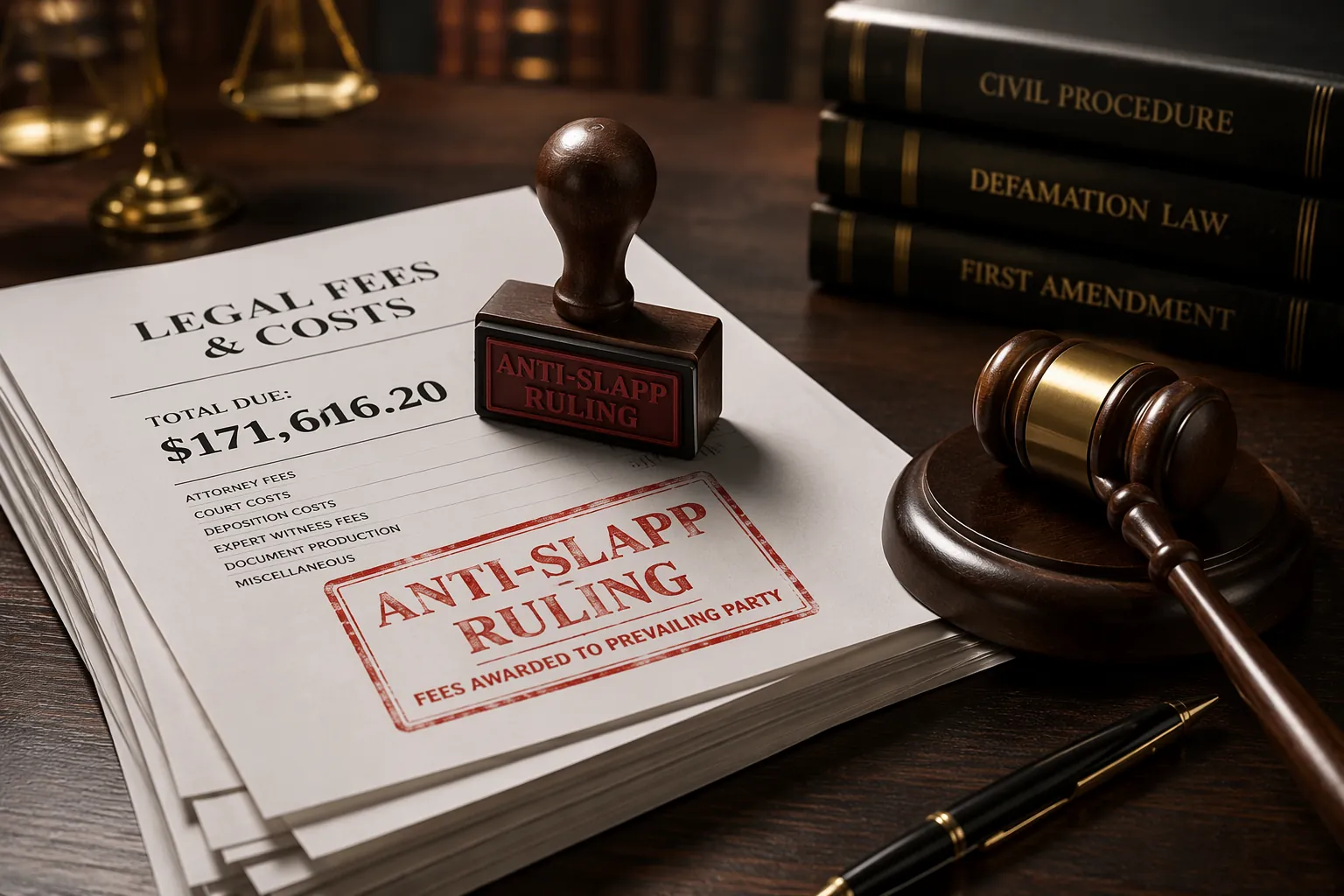
New York Times Awarded $171,616 in Anti-SLAPP Costs
New York Supreme Court awarded The New York Times $171,616.20 in anti-SLAPP damages on July 27, 2026, after ruling that Wayfarer Studios' defamation suit lacked a substantial basis in fact and law. The award, reduced from $181,622.70, is final because the parties' May 2026 settlement waived appellate rights.
Last verified
 REPORTED — UNVERIFIEDUpdatedJurisdictionCanada (Ontario)CourtLaw Society of Ontario TribunalToolGrokRuling dateJan 1, 2026
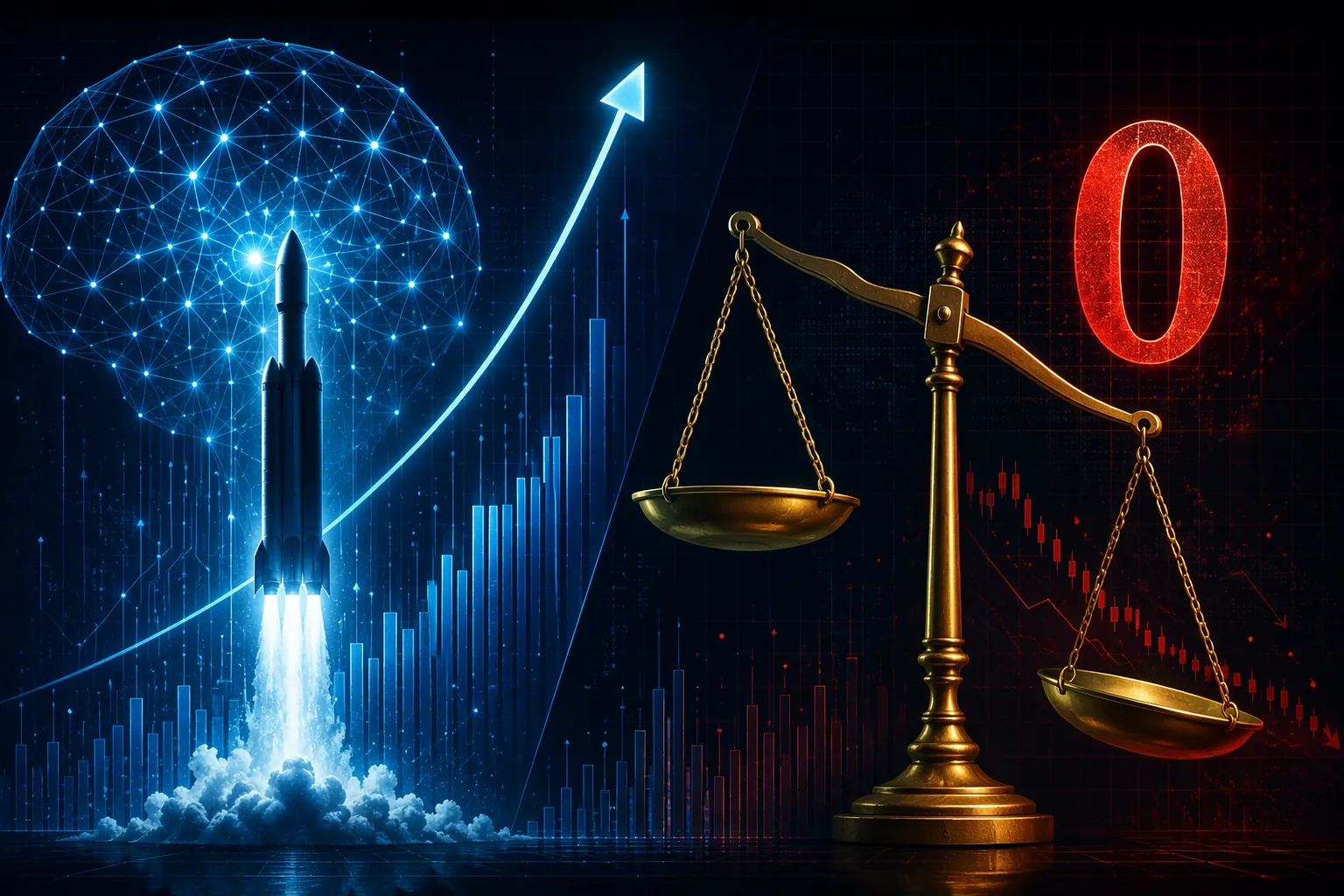
SpaceX AI's Zero Valuation Signals Due Diligence Risk for Law Firms
Morgan Stanley analysts value SpaceX AI at zero. This article explains why the same S-1 risk disclosures that justify that valuation also create a due diligence checklist for law firms evaluating AI tools like Grok.
Last verified
 REPORTED — UNVERIFIEDUpdatedJurisdictionUnited StatesCourtU.S. FederalToolGrokRuling dateJul 24, 2026
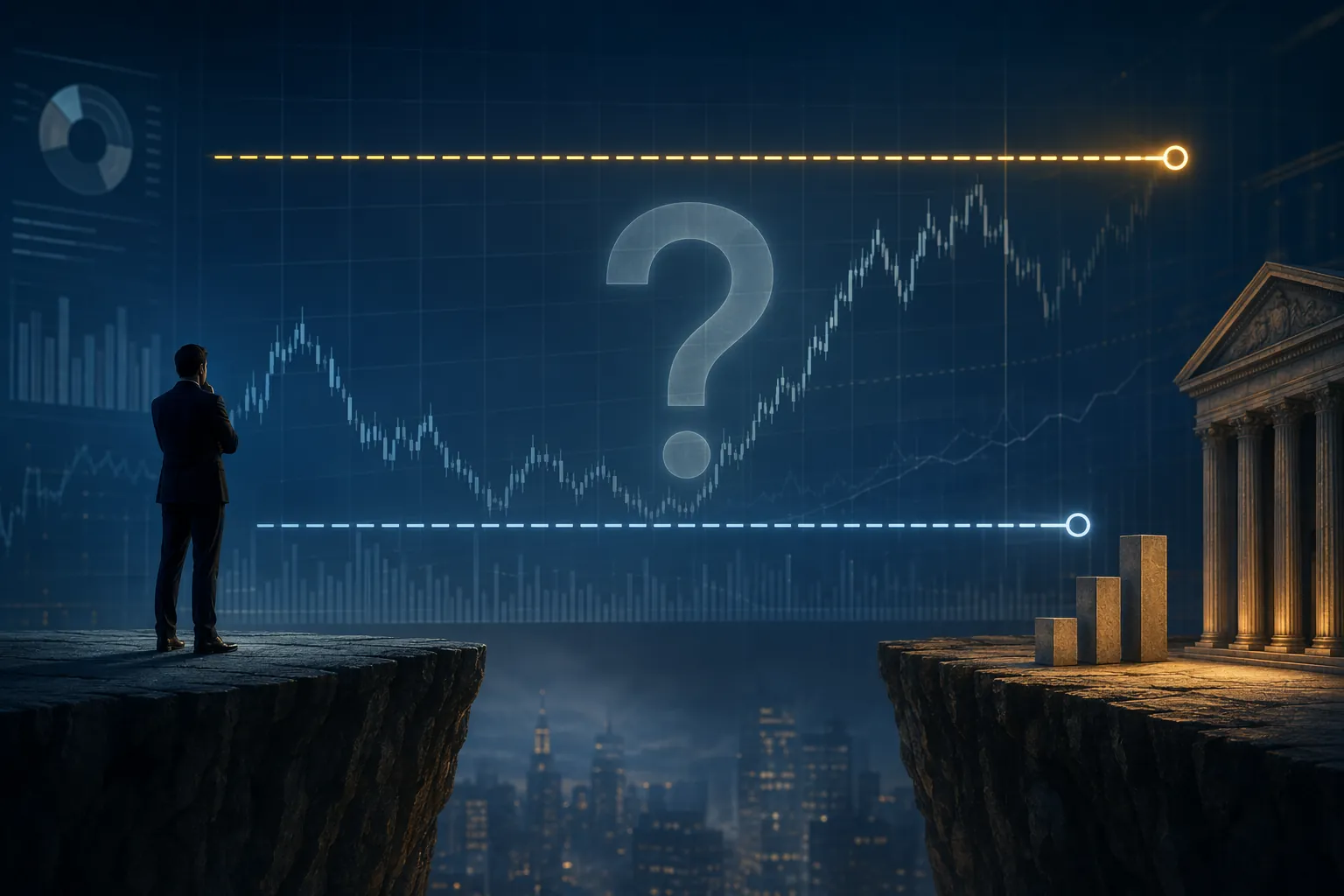
Morgan Stanley Says SpaceX at $100 Means Zero AI Value for Grok
Morgan Stanley analysts argue that SpaceX's stock at ~$100 per share implies the market is assigning zero or negative value to Grok AI, despite the firm's $300 price target attributing over half the value to AI. This article examines what the gap between market price and analyst target — and the looming $123B lockup expiry — means for legal professionals relying on Grok for production workflows.
Last verified
 CASE-STATUS-REPORTEDUpdatedJurisdictionus-federalCourtUnited States Court of Appeals for the Ninth CircuitToolGrokRuling dateJun 3, 2026
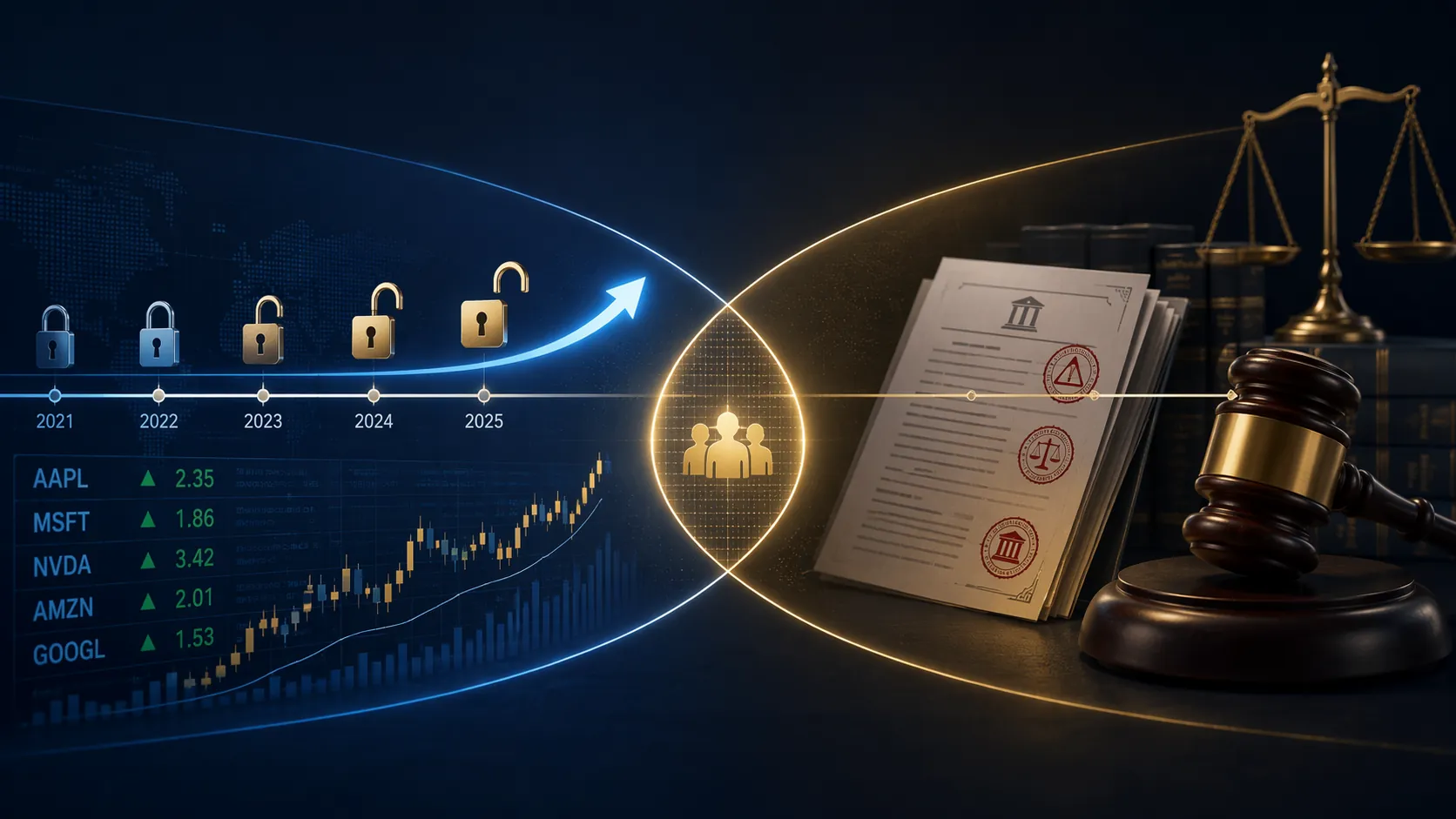
SpaceX Lockup Expiry Signals Rising Grok AI Legal Risk
The SpaceX lockup expiry on August 6, 2026 could amplify legal risks for entities relying on Grok AI, as the staggered share release coincides with mounting litigation liabilities disclosed in the IPO filing. Legal practitioners should monitor this period for potential escalation of sanctions, regulatory actions, and equity-linked pressure affecting Grok's stability.
Last verified