
Flagship tracker
Risk Digest
The flagship, near-daily updated database of documented AI hallucination and sanction incidents in legal proceedings worldwide. Each entry is a structured record, not a news article: jurisdiction, court, judge (if named), the AI tool implicated, penalty amount, ruling date, a confirmed-vs-reported status flag, and a link to the primary court order. Serves the 'check risk' and 'track regulation' tasks: a lawyer, risk manager, or journalist scanning for new sanctions, a specific jurisdiction, or a specific tool. Excludes narrative commentary, procedural how-to guidance (belongs in Workflows), and rule text summaries (belongs in Regulation). This group is the site's differentiation engine: freshness and per-record sourcing are the moat, so every record must carry a last-verified timestamp distinct from the ruling date.
Confirmed
A court order or docket entry has been independently verified.
Reported — unverified
Still pending independent verification against a primary source.
Filtered by tag jurisdiction-us-federal — clear filter
 CONFIRMEDUpdatedJurisdictionEuropean UnionCourtGeneral Court of the European UnionToolIntel GaudiRuling dateDec 10, 2025
Intel AI Data Center Growth Creates Legal Risks for Chip Buyers
Intel reported 59% YoY data center revenue growth in Q2 2026, yet its AI chip market share fell to 6% and server CPU share dropped below 55%. This divergence creates material legal risk in securities disclosure, antitrust standing, and supply-chain contracts that law firms and in-house counsel must evaluate.
Last verified
 CONFIRMEDUpdatedJurisdictionUS-FederalCourtU.S. District Court for the District of MinnesotaToolData broker websitesRuling dateJul 23, 2026
Data Broker Gap for Lawyers After Boelter Sentencing
The Vance Boelter sentencing reveals how data broker sites supplied home addresses used in the Minnesota lawmaker assassination. This article analyzes the gap in federal protections that leaves attorneys and law firm staff exposed, and outlines practical steps firms can take now.
Last verified
 CONFIRMEDUpdatedJurisdictionUS Federal - District of MinnesotaCourtU.S. District Court for the District of MinnesotaToolChatGPT-4oRuling dateJan 10, 2025
Expert Excluded After ChatGPT Hallucinates Citations in Minnesota Deepfake Case
In Kohls v. Ellison, a Minnesota federal judge excluded an expert's entire declaration after finding it contained two fabricated academic citations and one misattribution generated by ChatGPT-4o, ruling that the use of AI without verification "shatters his credibility" and may now require attorneys to inquire about AI use in declaration preparation.
Last verified
 CONFIRMEDUpdatedJurisdictionUS-FederalCourtU.S. Court of Appeals for the Sixth CircuitToolGenerative AIRuling dateMar 15, 2026
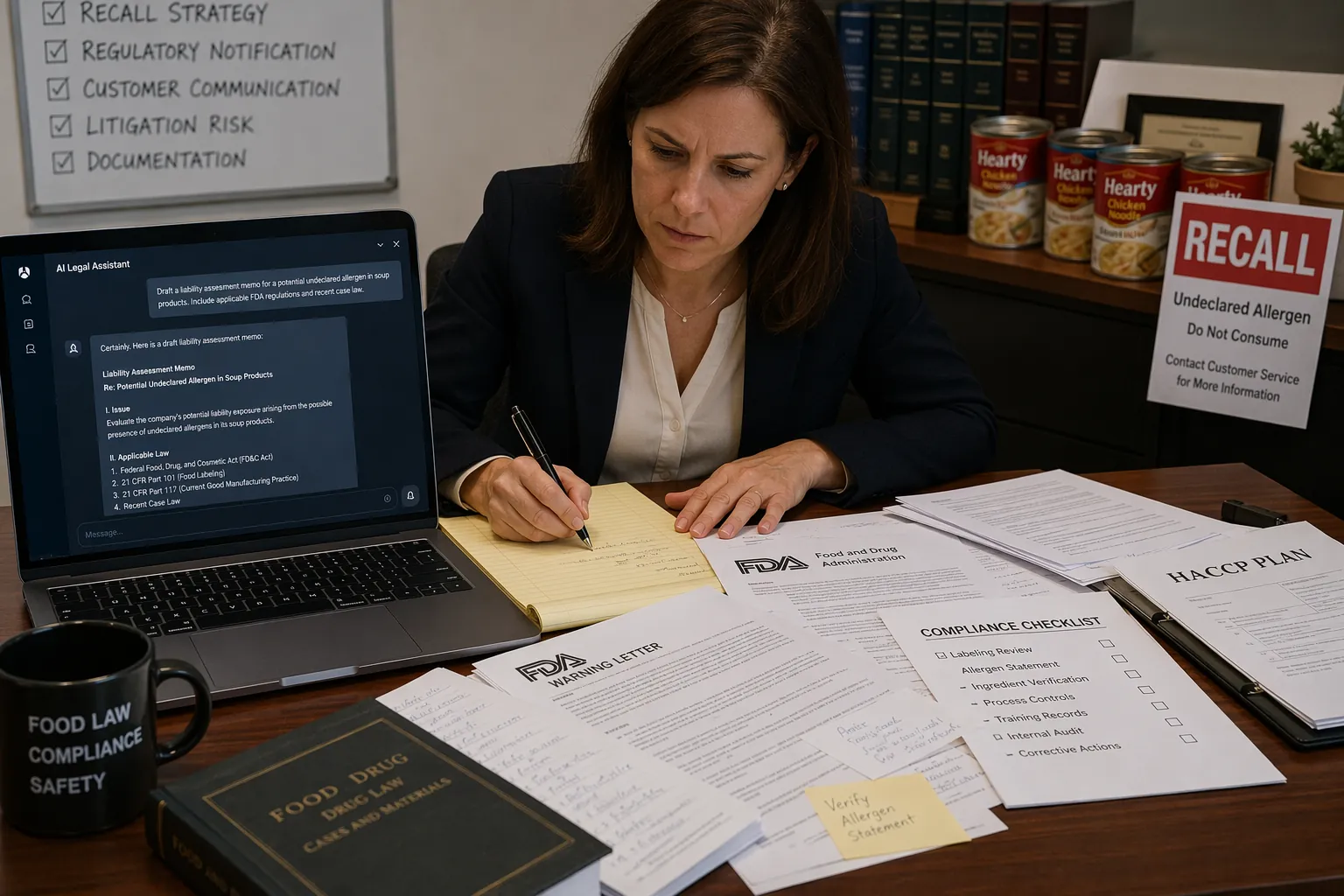
Amy's Kitchen Recall Shows Why Food Lawyers Must Verify AI Output
The Amy's Kitchen recall of 184,200 cans across 28 states illustrates how time-pressured regulatory responses increase the temptation to skip AI verification steps. Recent sanction cases and ABA Formal Opinion 512 confirm that the verification duty applies to AI-generated food safety regulatory work, creating enforcement exposure for food companies that have not adopted structured AI verification workflows.
Last verified
 CONFIRMEDUpdatedJurisdictionUS FederalCourtU.S. District Court for the Southern District of New YorkToolNoneRuling dateJul 23, 2026
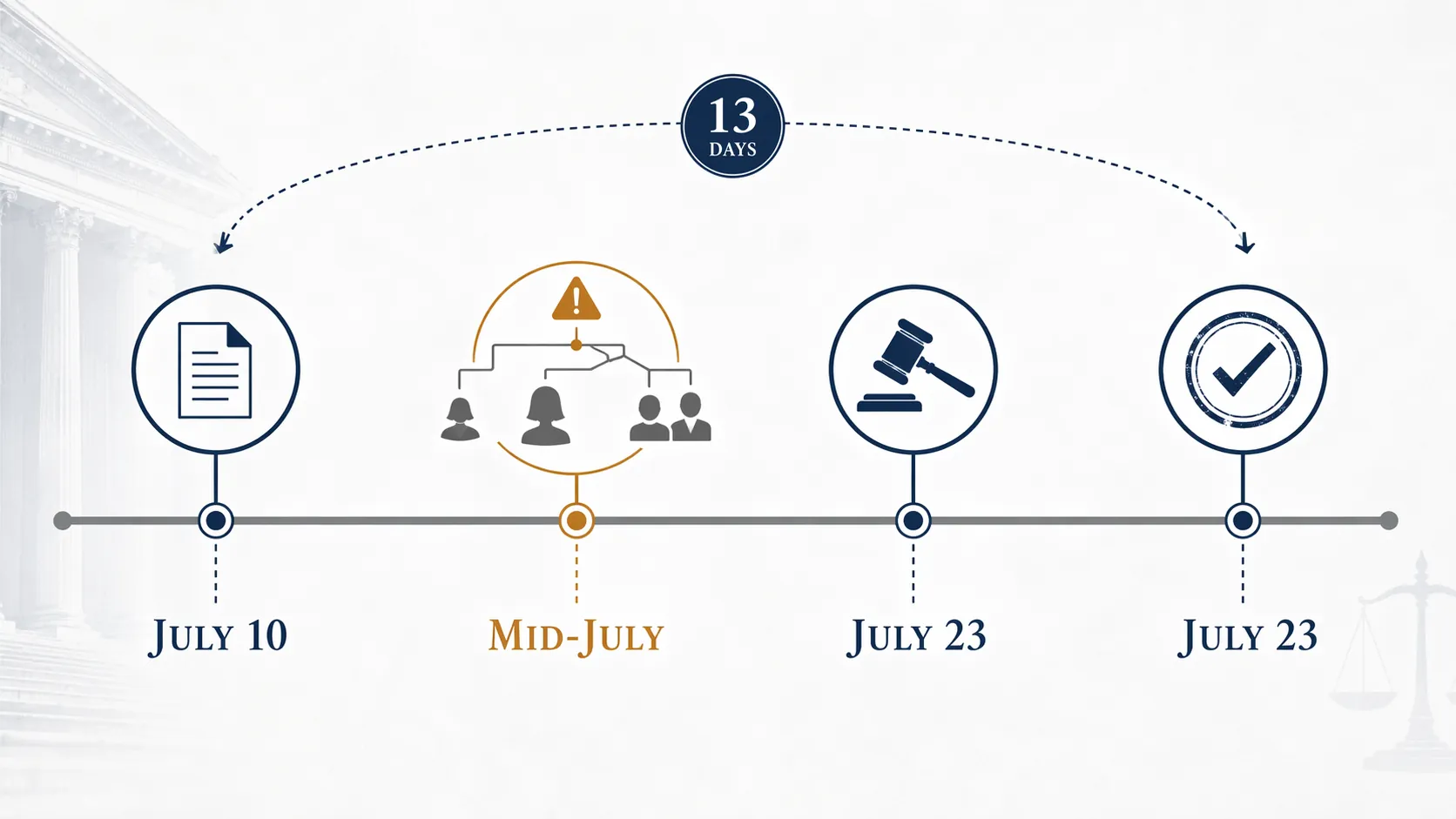
How the DOJ Violated Its Own Rules in the NYT Subpoena Case
An examination of the procedural failures that drove the DOJ's withdrawal of subpoenas for three New York Times reporters — including issuing subpoenas as a first resort, targeting family members through erroneous database matching, and misleading a second judge — and the risk signal this sends for future leak investigations.
Last verified
 REPORTED — UNVERIFIEDUpdatedJurisdictionUS FederalCourtGeneral federal courtsToolGenerative AI (unspecified)Ruling dateJul 24, 2026
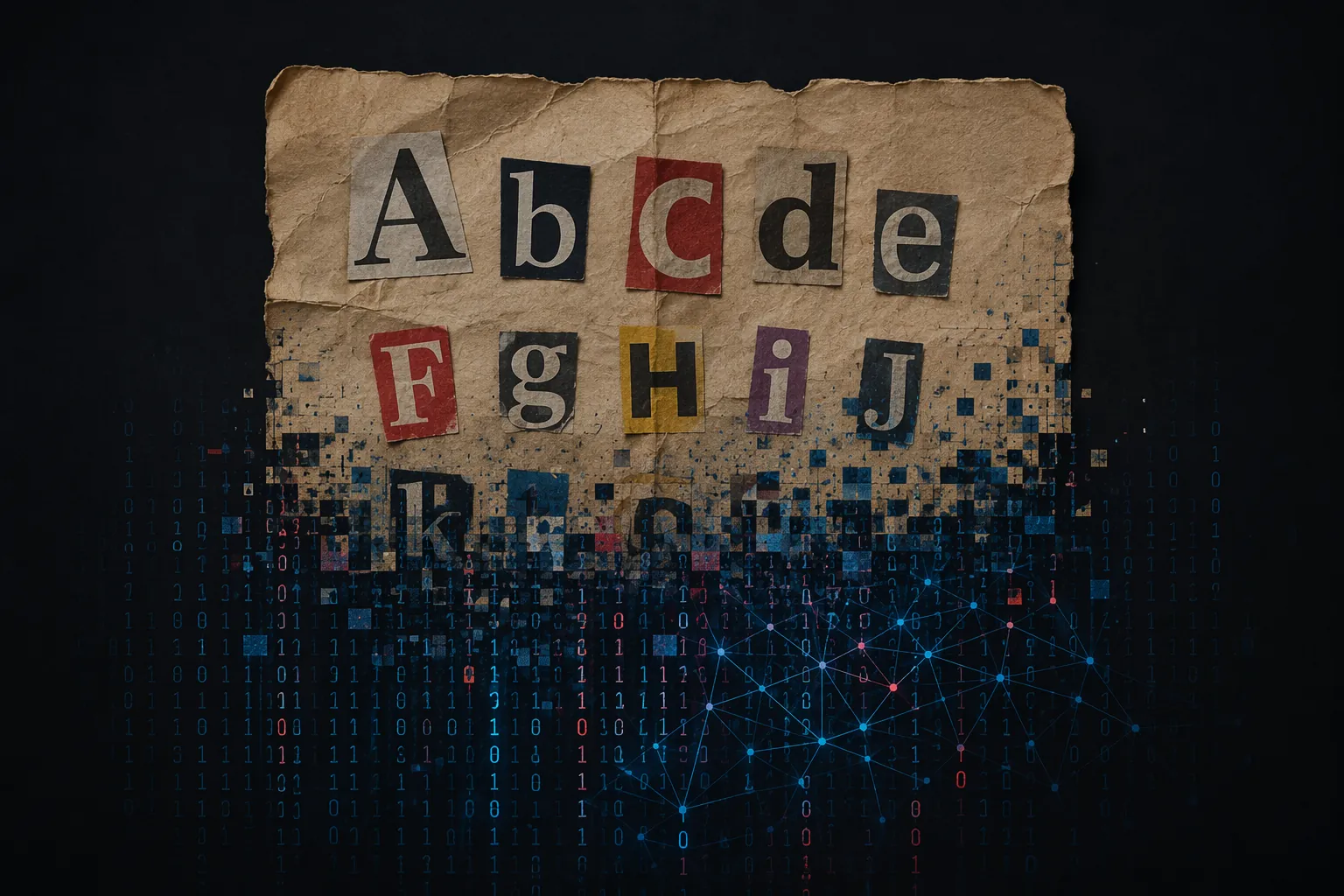
Do Criminal Threat Statutes Cover AI-Generated Ransom Notes?
Existing federal and state criminal threat statutes are medium-neutral and apply on their face to AI-generated ransom notes, but prosecutors will face novel intent, authentication, and authorship challenges when the threatening communication was authored by a language model. This article maps the applicable statutes and identifies the key defense arguments and evidentiary gaps.
Last verified
 REPORTED — UNVERIFIEDUpdatedJurisdictionUS FederalCourtUnited States Immigration CourtToolLLMRuling dateJul 14, 2026
How the Southwest Flight Attendant Asylum Case Exposes AI Citation Pitfalls
The conflicting records in the Southwest flight attendant asylum case demonstrate a data-fragmentation problem that mirrors the root cause of AI-generated citation errors. This article examines why counsel must verify completeness across multiple sources, whether the source is a federal agency or an LLM.
Last verified
 REPORTED — UNVERIFIEDUpdatedJurisdictionUnited StatesCourtN/AToolKPMG Digital Gateway for LawRuling dateJun 12, 2026
KPMG's AI Hallucinations Flag Governance Risk for Legal AI Adoption
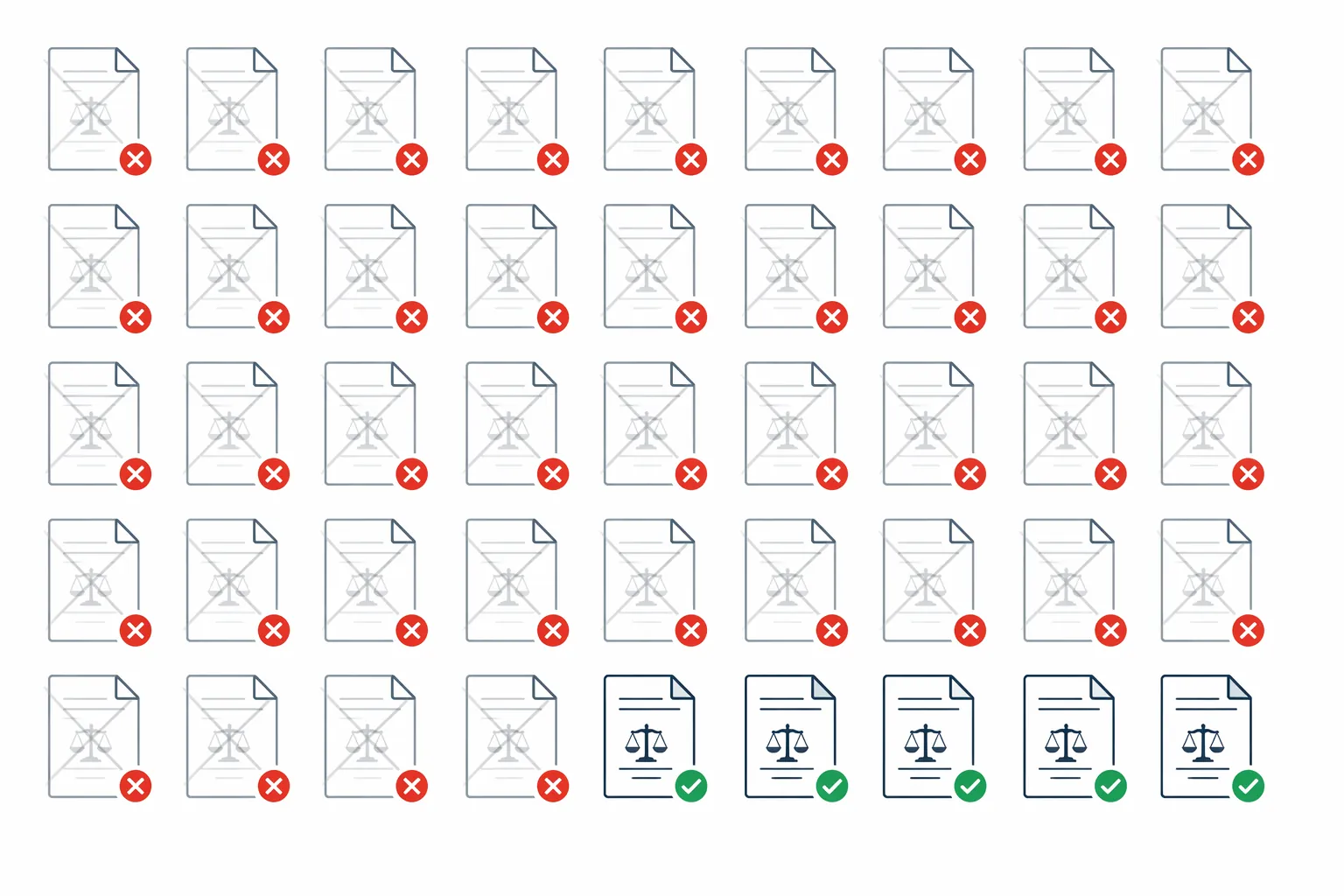
This article documents the June 2026 GPTZero forensic review that found 40 of 45 citations in KPMG's AI report were hallucinated, and explains why this incident constitutes a material governance risk for in-house counsel evaluating KPMG Law US's AI-powered legal platform.
Last verified
 Updated
How can tab defects in Amy's soup recall create product liability
An analysis of product liability exposure from the Amy's Kitchen lentil soup recall, focusing on the manufacturing defect in the can tab, the strict liability standard, and the defenses that make early dismissal or nuisance-value settlement the most likely outcome.
 REPORTED — UNVERIFIEDUpdatedJurisdictionUS Federal - Eastern District of MichiganCourtUnited States District Court for the Eastern District of MichiganToolNo AI toolRuling dateJul 17, 2026
How a Past Cyclospora Outbreak Shapes Current Product Liability
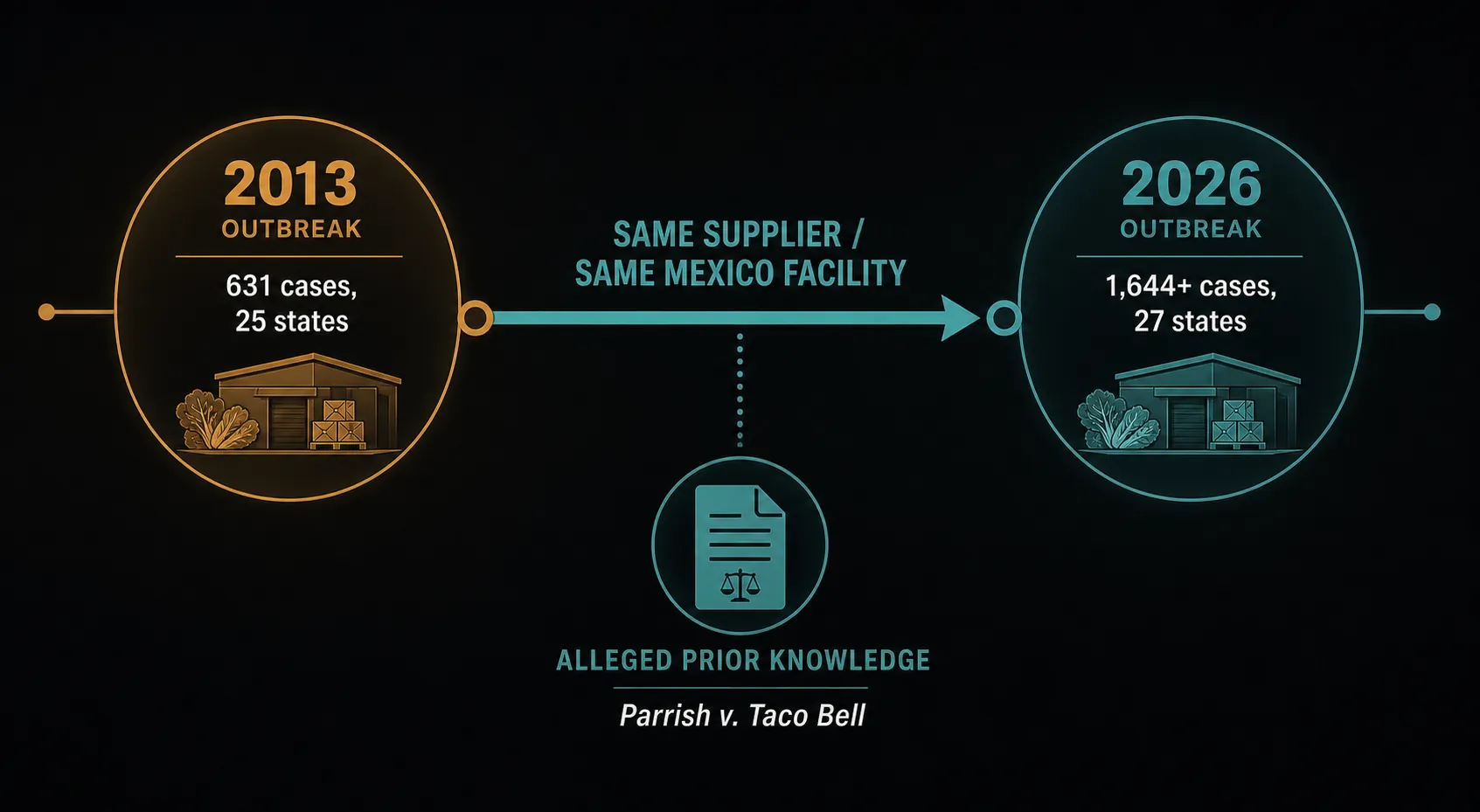
This article examines how plaintiffs in the 2026 cyclospora outbreak litigation are using Taylor Farms' 2013 outbreak history to allege prior knowledge, supporting negligence claims that could pierce strict-liability caps. Risk managers and procurement counsel can use this analysis to evaluate supplier exposure and counterparty liability in future contracting.
Last verified
 REPORTED — UNVERIFIEDUpdatedJurisdictionFranceCourtNanterre courtToolGrokRuling dateJul 20, 2026
AI Evidence Risks After Epstein Model Scout Found Dead
Examines the documented wave of AI-generated deepfakes and hallucinated chatbot outputs about Epstein associates, the risk they pose to legal proceedings connected to the Daniel Siad death investigation, and what counsel should do now to verify evidence.
Last verified
 REPORTED — UNVERIFIEDUpdatedJurisdictionUS FederalCourtMultipleToolIBM watsonx.governanceRuling dateJun 17, 2026
IBM's AI Governance Platform Poses New Legal Risks for Enterprises
Enterprise AI adoption has outpaced governance readiness, creating measurable legal risk, but IBM's watsonx.governance platform may introduce new vendor lock-in risks that legal departments must weigh.
Last verified
 REPORTED — UNVERIFIEDUpdatedJurisdictionFlorida, United StatesCourtNo court (unfiled incident)ToolNo AI tool implicatedRuling dateJul 22, 2026
Legal Actions a Nissan Dealer Faces for Retaliatory Reviews
This article analyzes the legal claims arising from the July 2026 Nissan of Cape Coral incident, where a general manager retaliated against a customer's negative review by posting fake reviews about the customer's business. Readers will understand the viability of defamation, tortious interference, and potential FTC penalty exposure.
Last verified
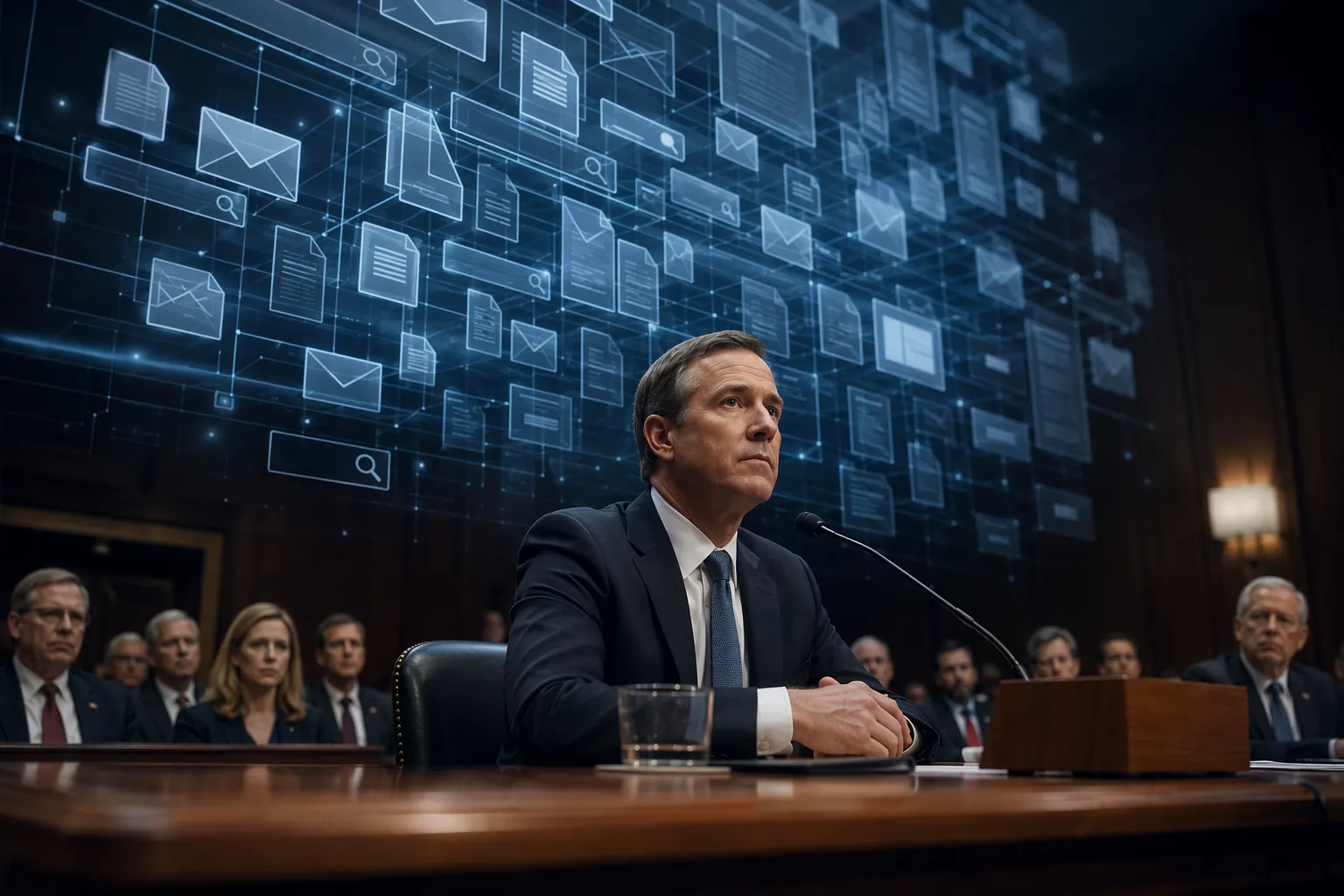 REPORTED — UNVERIFIEDUpdatedJurisdictionUS FederalCourtU.S. House Oversight CommitteeToolNoneRuling dateJul 23, 2026
What Jes Staley's Testimony Teaches About Digital Records Risk
Jes Staley's July 2026 congressional testimony shows how exhaustive digital records can turn a witness's 'I don't recall' into a material false statement risk. This analysis helps defense counsel understand why traditional preparation methods are no longer sufficient and how to review a client's digital footprint before investigators do.
Last verified
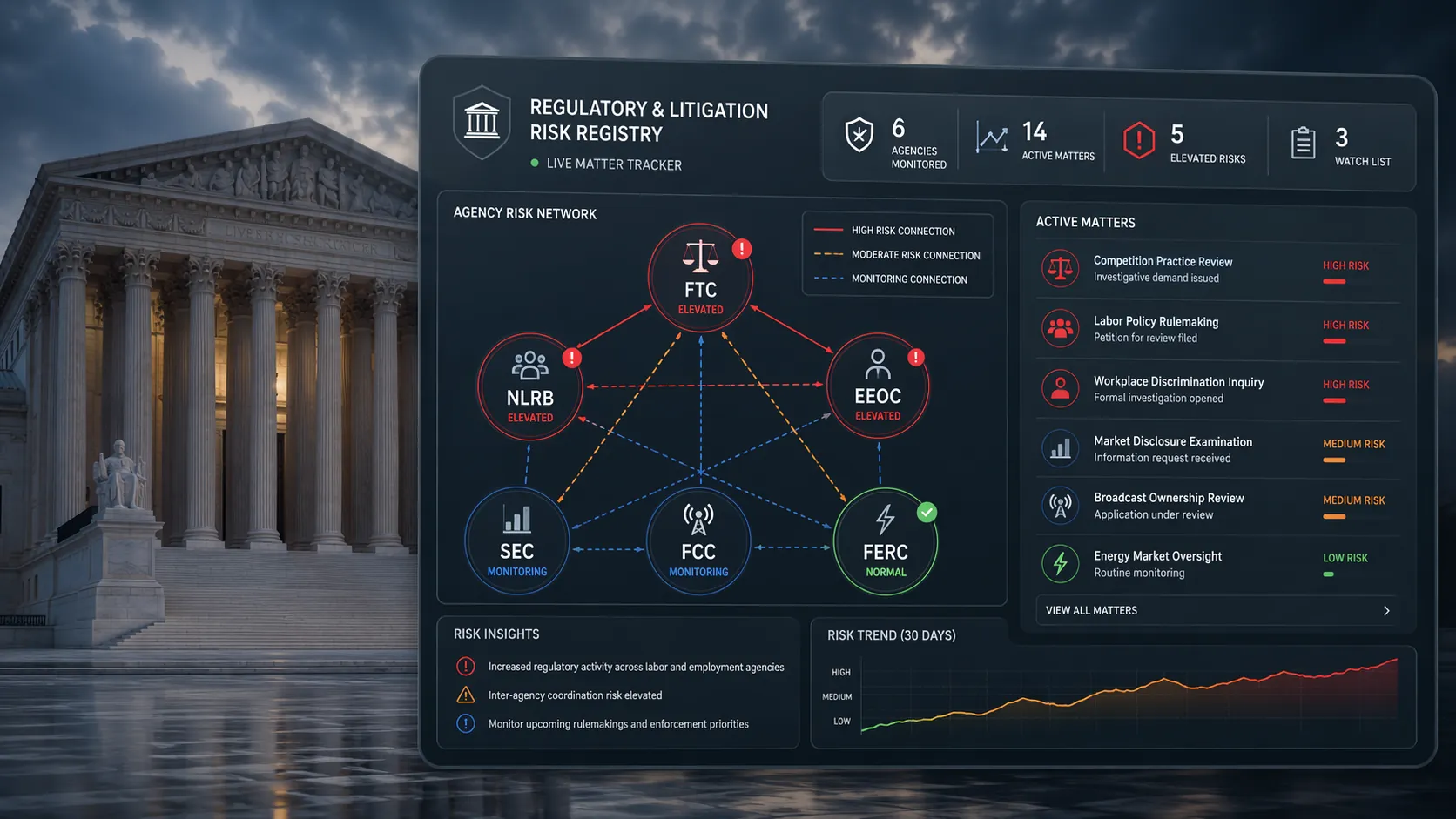 CONFIRMEDUpdatedJurisdictionUS FederalCourtSupreme Court of the United StatesToolNoneRuling dateJun 29, 2026
What the Supreme Court Firing Ruling Means for Agency Risk
The Supreme Court's Trump v. Slaughter decision eliminates for-cause removal protection for most independent agencies. This registry tracks the resulting commissioner firings, quorum breakdowns, enforcement shifts, and pending litigation across FTC, SEC, NLRB, EEOC, FCC, and FERC.
Last verified
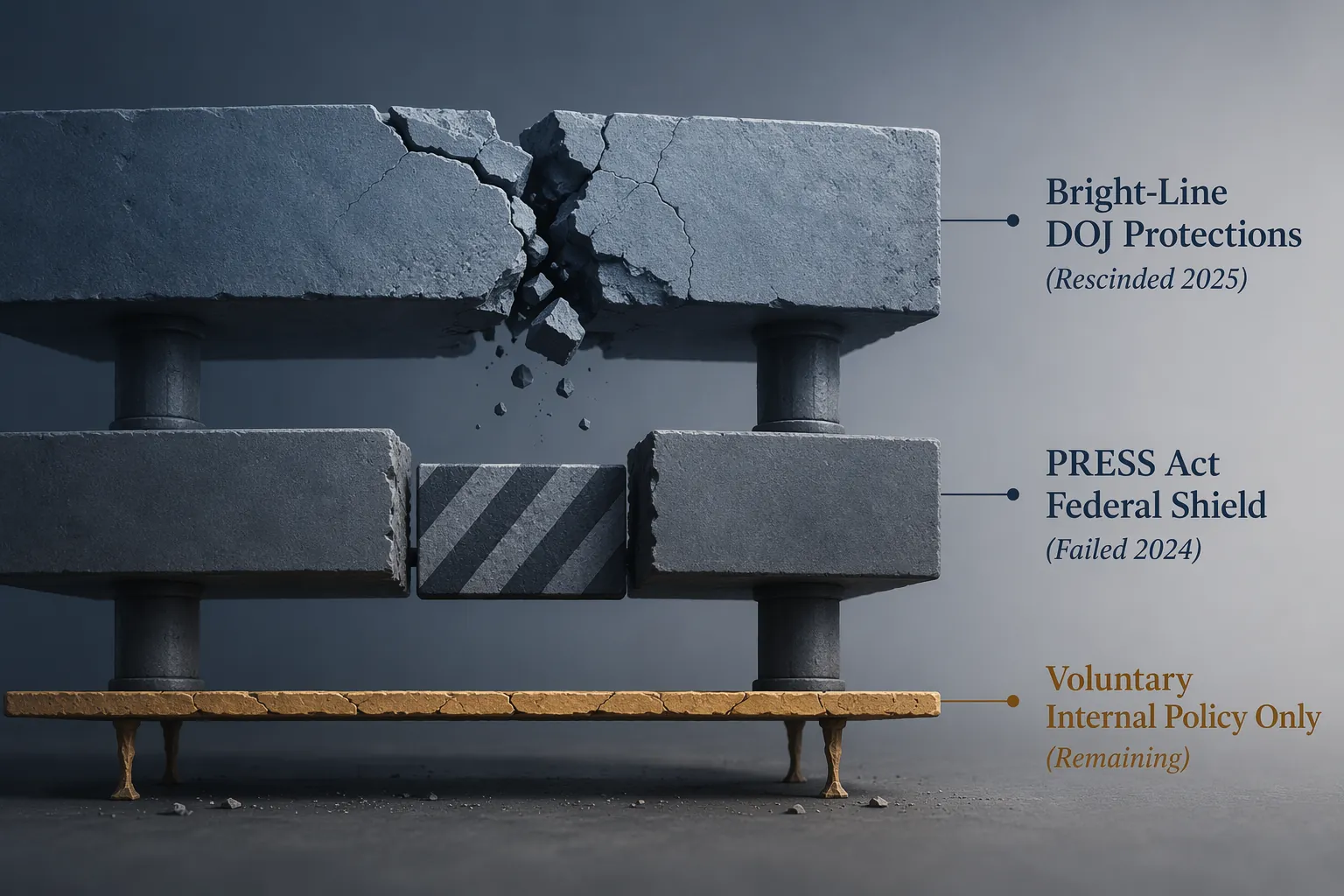 WITHDRAWNUpdatedJurisdictionUS FederalCourtFederalToolNoneRuling dateApr 1, 2025
How the Bondi Rescission Enabled DOJ Subpoenas of Journalists
This regulatory-risk record documents how Attorney General Bondi's April 2025 rescission of key § 50.10 protections, combined with the Senate's failure to pass the PRESS Act, eliminated the two main structural barriers to DOJ subpoenas targeting journalists and their newsgathering records.
Last verified
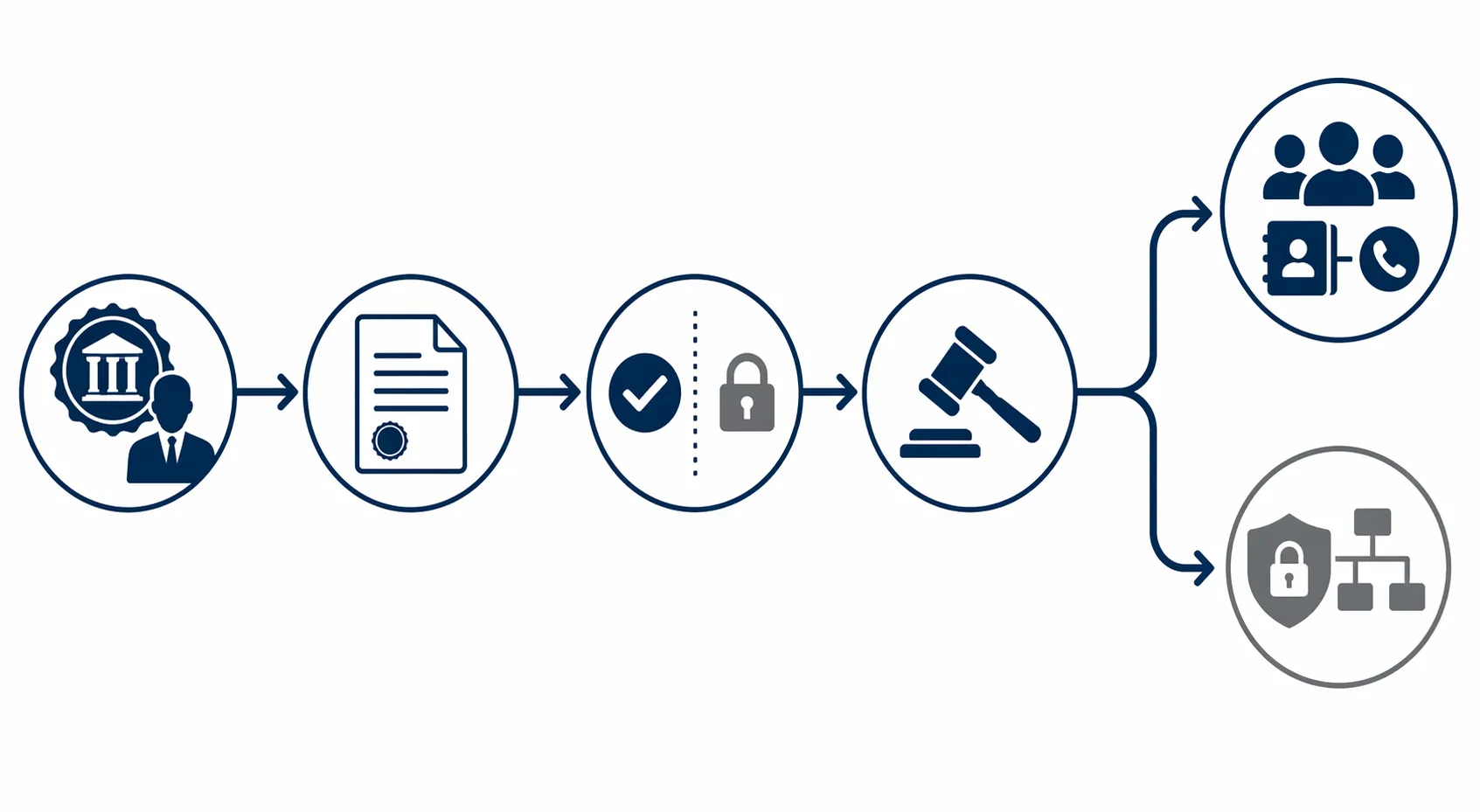 CONFIRMEDUpdatedJurisdictionUS Federal - Eastern District of PennsylvaniaCourtU.S. District Court for the Eastern District of PennsylvaniaToolNoneRuling dateMar 31, 2026
How the Penn EEOC Subpoena Exposed Employer Data Risks
The EEOC v. Penn subpoena dispute reveals how commissioner-initiated Title VII charges can force employers to disclose sensitive employee data with minimal court scrutiny. This article translates the case into actionable compliance guidance for employers facing similar demands.
Last verified
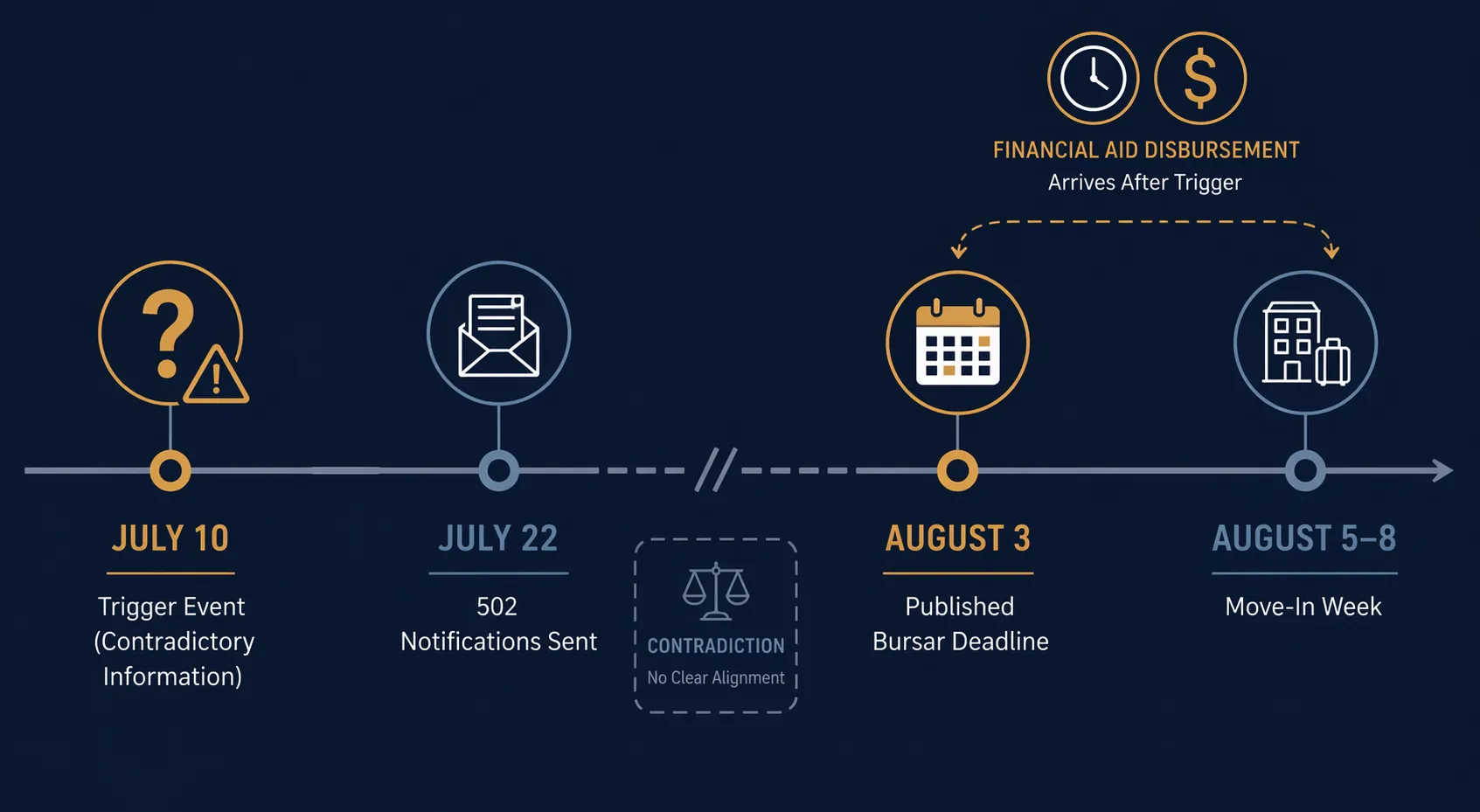 REPORTED — UNVERIFIEDUpdatedJurisdictionUS-DCCourtU.S. District Court for the District of ColumbiaToolNo AI toolRuling dateJul 22, 2026
How Howard's Pre-Move-In Unenrollment Triggers Legal Risks
This article assesses the legal claims that could arise from Howard University's July 22 unenrollment of 502 first-year students days before move-in, grounded in breach-of-contract, consumer-protection, detrimental-reliance, and disparate-impact theories. It identifies four distinct risk vectors that counsel should monitor based on the contradictory payment deadlines and Howard's prior $2 million class-action settlement.
Last verified
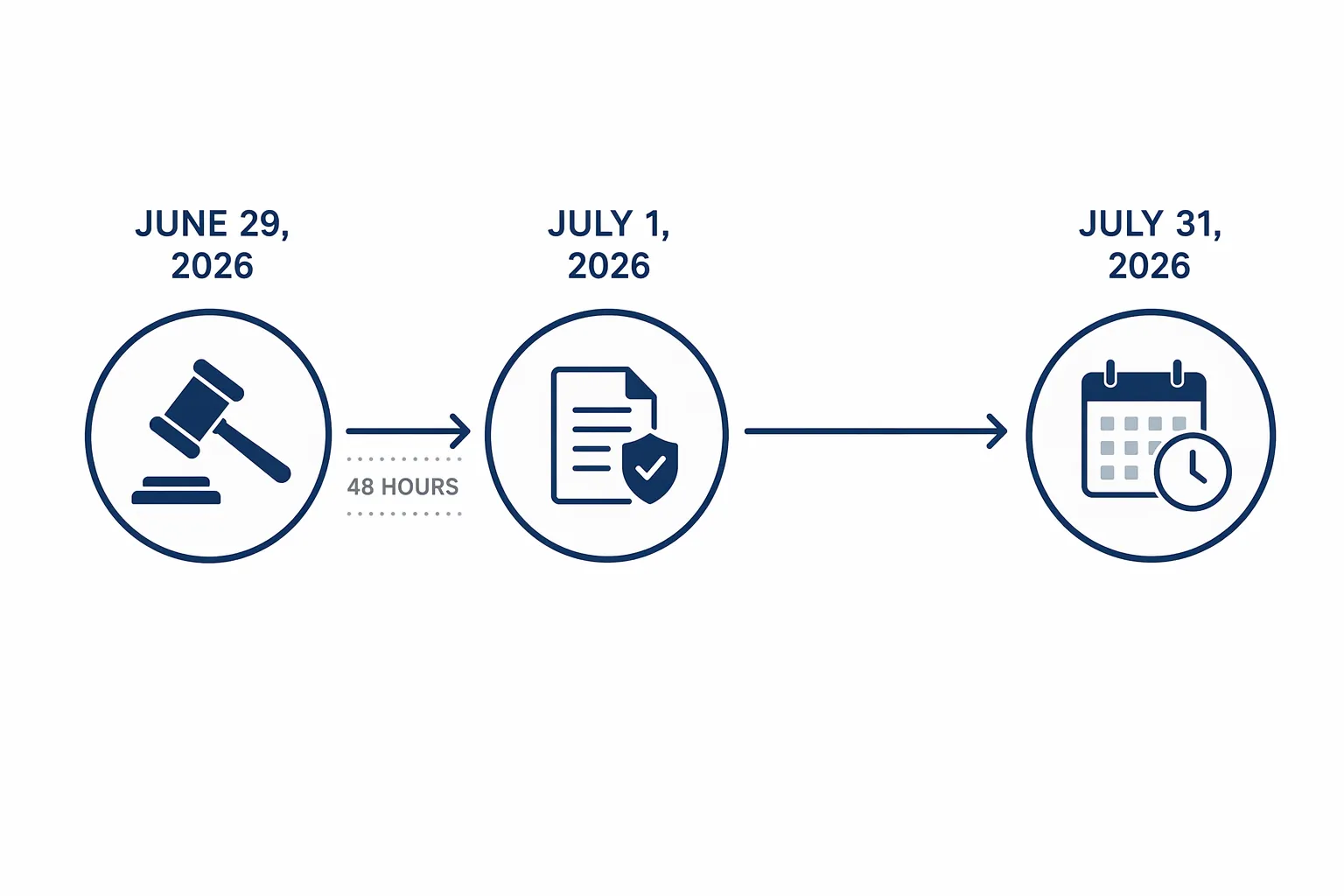 CONFIRMEDUpdatedJurisdictionUS FederalCourtU.S. Supreme CourtToolAI compliance toolsRuling dateJun 29, 2026
Slaughter Ruling Lets FTC Treat State AI Compliance as Deception
The Supreme Court's Slaughter decision removed FTC commissioner removal protections, enabling the Republican-led commission to issue a July 1 policy statement that treats compliance with state AI audit laws as potentially deceptive under Section 5. This article examines the resulting compliance whipsaw for legal practitioners using AI tools in states like Colorado, and what the July 31 public comment deadline means for risk assessment.
Last verified
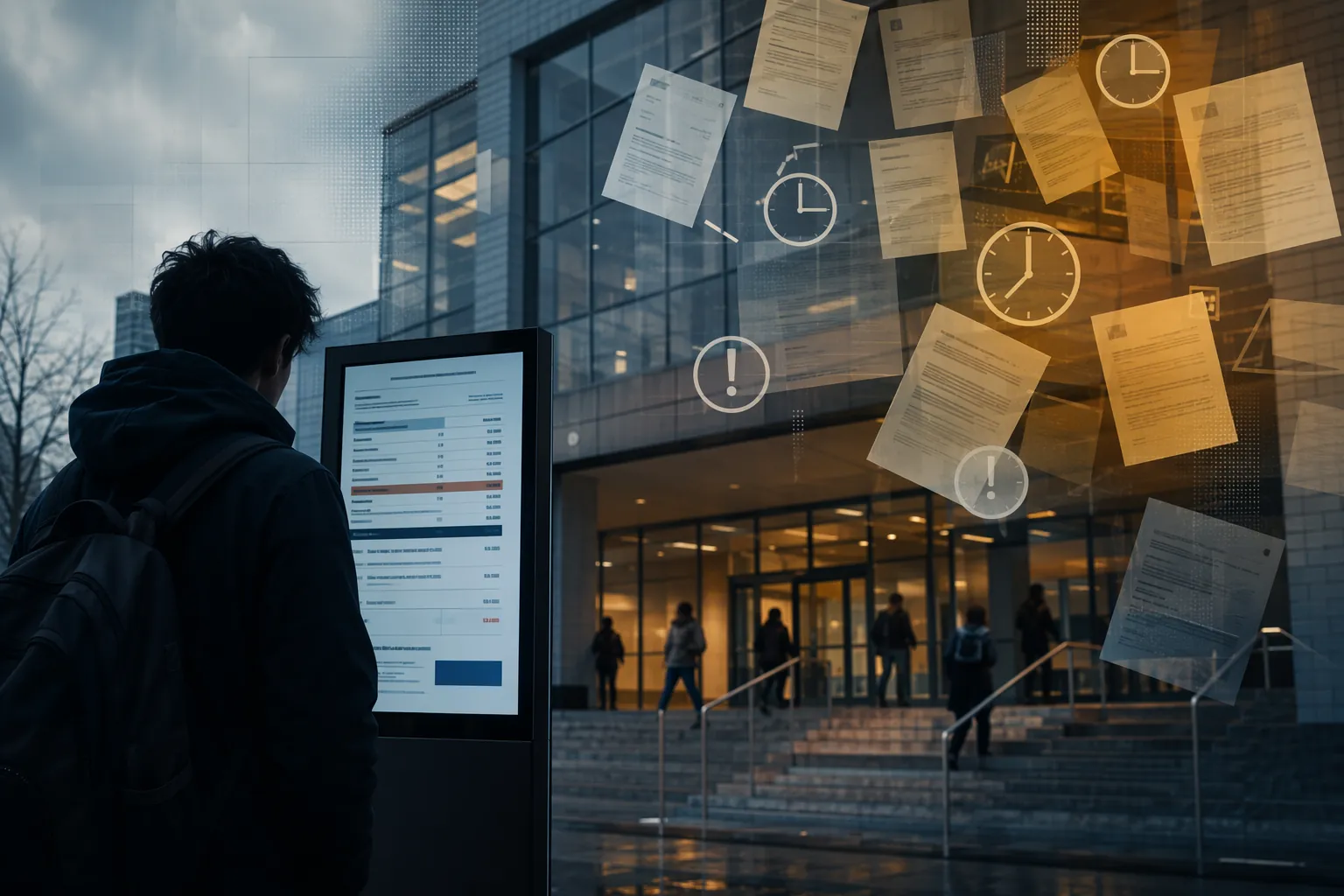 REPORTED — UNVERIFIEDUpdatedJurisdictionUS-DCCourtU.S. District Court for the District of ColumbiaToolBisonHubRuling dateJul 22, 2026
Howard University Unenrolled 502 Students: Lawsuit Risk Analysis
As of July 24, 2026, no lawsuit has been filed over Howard University's mass unenrollment of 502 incoming freshmen, but the documented BisonHub platform failures and the university's own admissions of billing delays create a substantiated basis for potential breach-of-contract, negligent misrepresentation, and consumer protection claims. This article assesses the legal exposure for counsel tracking this emerging dispute.
Last verified